
Vertigo: Why the Room Spins and What to Do About It
Vertigo isn't just dizziness — it's a disorienting sensation that the world is spinning around you. Here's what causes it, how it's diagnosed, and how most cases can be effectively treated.
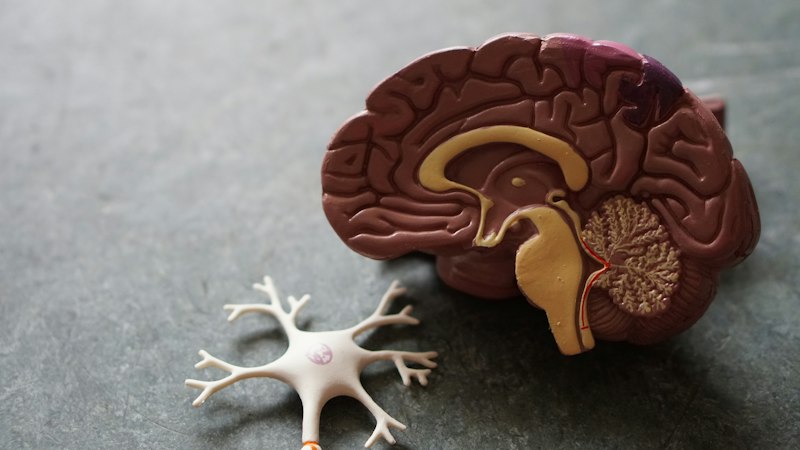
VERTIGO: WHY THE ROOM SPINS AND WHAT TO DO ABOUT IT
Vertigo is not a diagnosis in itself but a symptom — one that points to an underlying issue, most often in the inner ear or, less commonly, the brain. Understanding the difference matters enormously, because the cause determines the treatment, and most causes are very treatable.
Key facts: 40% of adults experience vertigo at least once in their lifetime. BPPV is the #1 most common cause of vertigo worldwide. Typical BPPV episode lasts ~1 minute after a position change.
SECTION 01: WHAT IS VERTIGO?
Vertigo is the false sensation that you — or the environment around you — are moving or spinning when neither is actually happening. It differs from general dizziness in a specific way: vertigo involves a strong rotational or tilting illusion, often triggered by changes in head position.
The inner ear plays a central role in balance. Tiny fluid-filled canals and calcium carbonate crystals (called otoliths) help your brain detect movement, position, and gravity. When something disrupts this system — whether crystals move out of place, fluid pressure changes, or a nerve becomes inflamed — the brain receives conflicting signals, producing vertigo.
Vertigo vs. dizziness: Dizziness is a broad term covering lightheadedness, unsteadiness, and feeling faint. Vertigo is more specific: a distinct spinning or tilting sensation. If the room feels like it's rotating, that's vertigo.
Types of vertigo:
- Peripheral vertigo (most common): Originates in the inner ear or vestibular nerve. Accounts for the majority of cases and is typically benign and treatable.
- Central vertigo (less common): Originates in the brain or brainstem — linked to stroke, MS, or tumors. Requires urgent evaluation.
SECTION 02: COMMON CAUSES
- BPPV (Benign paroxysmal positional vertigo): The most common cause. Calcium crystals in the inner ear become dislodged and send faulty signals, triggering brief but intense spinning with head movement.
- Vestibular neuritis: Inflammation of the vestibular nerve, often triggered by a viral infection. Causes sudden, severe vertigo lasting days to weeks, sometimes with hearing changes.
- Ménière's disease: A disorder of fluid buildup in the inner ear. Episodes include severe vertigo, fluctuating hearing loss, tinnitus, and a sensation of fullness in the ear.
- Labyrinthitis: Inflammation of the inner ear labyrinth, often following a respiratory illness. Typically self-limiting.
- Vestibular migraine: Vertigo associated with migraines, sometimes without the headache itself. One of the most underdiagnosed causes of recurring vertigo.
- Central causes: Stroke, TIA, acoustic neuroma, or multiple sclerosis can all cause vertigo. Less common but require urgent evaluation when neurological symptoms are present.
SECTION 03: SYMPTOMS
Vertigo rarely travels alone. Common accompanying symptoms include: spinning or tilting sensation, nausea or vomiting, loss of balance or unsteadiness, nystagmus (involuntary eye movement), tinnitus (ringing in the ears), hearing changes or fullness, headache (in vestibular migraine), difficulty concentrating or focusing.
Seek emergency care if you experience: sudden severe headache, double vision, difficulty speaking or swallowing, facial drooping, weakness or numbness in the limbs, or loss of coordination alongside vertigo. These can be signs of stroke.
SECTION 04: DIAGNOSIS
Diagnosis involves a careful medical history, physical examination, and targeted tests. Telling your doctor when vertigo occurs, how long it lasts, whether it's triggered by head movement, and whether you have hearing changes helps narrow the cause.
- Dix-Hallpike test — the standard bedside test for BPPV. Moves your head into specific positions while watching for nystagmus.
- Hearing tests (audiometry) — assesses whether hearing loss accompanies vertigo to differentiate between conditions.
- MRI or CT scan — ordered when central causes are suspected, particularly when neurological symptoms are present.
- Vestibular function tests — specialized tests like VNG or vHIT measure the function of each side of the inner ear in complex cases.
SECTION 05: TREATMENT & RELIEF
The Epley Maneuver (for BPPV): A series of guided head-position changes to move displaced calcium crystals back to their correct location. Resolves BPPV in roughly 80% of cases after one to three treatments.
Steps:
- Sit upright, turn head 45° toward the affected ear.
- Lie back quickly with head extended over the table edge, maintaining the 45° turn. Hold 30 seconds.
- Turn head 90° to the opposite side. Hold 30 seconds.
- Roll entire body to the unaffected side, keeping head position. Hold 30 seconds.
- Sit up slowly on the side of the table. Rest before standing.
Home practice (Brandt-Daroff exercises) can be performed daily — ask your doctor or physical therapist to demonstrate correct technique first.
Medications (for symptom management, not root cause):
- Vestibular suppressants (meclizine, diphenhydramine) — reduce vertigo intensity during acute episodes but not recommended long-term.
- Anti-nausea medications (promethazine, ondansetron) — manage nausea during severe episodes.
- Benzodiazepines — occasionally used short-term for severe acute vertigo; carry dependence risk.
- Diuretics or low-sodium diet — for Ménière's disease to reduce inner-ear fluid retention.
Vestibular rehabilitation therapy (VRT): A specialized form of physical therapy that helps the brain adapt to inner-ear dysfunction, retrain balance, and reduce dizziness over time. Particularly valuable for vestibular neuritis, labyrinthitis, and permanently damaged inner ear.
Lifestyle adjustments:
- Move slowly and deliberately — sudden head movements are the most common BPPV trigger.
- Reduce salt intake (for Ménière's) — under 2,000 mg/day to control fluid buildup.
- Stay hydrated and manage stress — dehydration and stress can exacerbate vestibular symptoms.
- Fall prevention at home — remove tripping hazards, use nightlights, install grab bars in bathrooms.
SECTION 06: WHEN TO SEE A DOCTOR
Seek immediate care for: vertigo with sudden severe headache, double vision, slurred speech, or arm/leg weakness (call 911). New vertigo with sudden significant hearing loss. Vertigo lasting more than a few days. Recurrent episodes interfering with work, driving, or daily activities. Vertigo with loss of consciousness or near-fainting.
A primary care physician can often diagnose and treat BPPV and refer you to an ENT or neurologist for complex cases. An audiologist or vestibular physical therapist may also be part of your care team.
Note: Vertigo that isn't evaluated can increase fall risk, cause anxiety, and — in rare cases — signal something serious. Most causes are benign and treatable, but ruling out central causes is always worth the visit.
Medical Disclaimer: This article is for informational purposes only and does not constitute medical advice, diagnosis, or treatment. Always consult a qualified healthcare provider before attempting any exercises or maneuvers described here.