
Hyperthyroidism: When Your Thyroid Goes Into Overdrive
Your thyroid is a small gland with an enormous influence on how your entire body functions. When it produces too much hormone, everything speeds up — and the effects can ripple through your heart, bones, muscles, mood, and more.
The thyroid gland sits quietly at the base of your neck — a butterfly-shaped structure that most people never think about. But the hormones it produces touch virtually every system in the body, regulating metabolism, heart rate, body temperature, digestion, mood, and bone density. When it works properly, you don't notice it. When it overproduces hormones, almost everything goes wrong at once.
Hyperthyroidism — commonly called an overactive thyroid — is a condition in which the thyroid gland produces more thyroid hormone than the body needs. The result is a kind of systemic acceleration: your metabolism speeds up, your heart races, your weight drops, and your nervous system shifts into a state of constant overdrive. For many people, these symptoms are easy to dismiss or misattribute to stress or anxiety. But left untreated, hyperthyroidism can cause serious, lasting damage.
"Hyperthyroidism speeds up your metabolism, which can affect several aspects of your health — throwing your whole well-being off balance. Early diagnosis and treatment are key to getting back to feeling like yourself." — Cleveland Clinic, February 2026
How Common Is Hyperthyroidism?
About 1.2% of U.S. adults have hyperthyroidism — approximately 4 million people. It is 2–10 times more common in women than men, with a peak age range for onset of 20–50 years, though it can occur at any age. Globally, about 2.5% of adults are affected.
How the Thyroid Works — and What Goes Wrong
To understand hyperthyroidism, it helps to understand how the thyroid normally functions. The thyroid produces two primary hormones — thyroxine (T4) and triiodothyronine (T3) — that regulate the speed of virtually every metabolic process in the body.
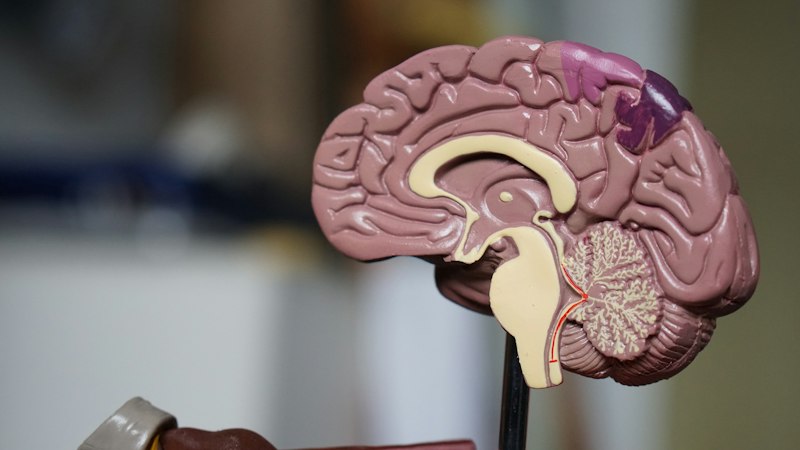
The brain's hypothalamus detects hormone levels and signals the pituitary gland when more thyroid hormone is needed. The pituitary releases thyroid-stimulating hormone (TSH), which travels to the thyroid and triggers hormone production. The thyroid releases T3 and T4 into the bloodstream, where they regulate heart rate, metabolism, temperature, digestion, and more. When levels are sufficient, the pituitary reduces TSH output — a feedback loop that keeps hormone production balanced. In hyperthyroidism, this feedback loop breaks down.
Hyperthyroidism vs. Hypothyroidism
These two conditions are frequently confused. Both involve the thyroid — but they are opposites. Hyperthyroidism means too much thyroid hormone; hypothyroidism means too little. Hyperthyroidism speeds up metabolism causing weight loss, rapid heart rate, and heat intolerance; hypothyroidism slows it down causing weight gain, slow heart rate, and cold intolerance. The most common cause of hyperthyroidism is Graves' disease; for hypothyroidism, it's Hashimoto's thyroiditis.
Causes of Hyperthyroidism
Graves' disease is the most common cause, accounting for up to 80% of cases. It's an autoimmune disorder in which the immune system produces antibodies that mimic TSH and continuously stimulate the thyroid to overproduce hormones. More common in women and those with a family history.
Toxic multinodular goiter — multiple nodules in the thyroid gland that function autonomously — is the second most common cause globally, more prevalent in older adults.
Toxic adenoma is a single autonomous nodule that produces excess hormone without immune system involvement.
Thyroiditis — inflammation from viral infection, autoimmune attack, or postpartum changes — can cause a temporary release of stored thyroid hormone.
Medications and excess iodine: Amiodarone, iodine-containing contrast dyes, immune checkpoint inhibitors, and excess iodine intake can trigger hyperthyroidism.
Excess thyroid hormone medication: Taking too high a dose of levothyroxine can inadvertently cause hyperthyroidism — the most easily correctable cause.
Symptoms of Hyperthyroidism
Physical symptoms include unintended weight loss, rapid or irregular heartbeat (palpitations), excessive sweating, heat intolerance, tremors in the hands or fingers, muscle weakness, frequent bowel movements or diarrhea, enlarged thyroid (goiter), thinning skin and brittle hair, and menstrual changes in women.
Mental and neurological symptoms include anxiety and nervousness, irritability or mood swings, difficulty sleeping (insomnia), difficulty concentrating, fatigue despite restlessness, increased appetite, and in Graves' disease, bulging eyes and light sensitivity.
Older adults may experience fewer obvious symptoms — a phenomenon called "apathetic hyperthyroidism" — presenting with only fatigue, weight loss, heart rhythm problems, or depression without the classic anxiety and restlessness.
Complications of Untreated Hyperthyroidism
Atrial fibrillation — Hyperthyroidism is a leading cause of atrial fibrillation, significantly increasing the risk of stroke and heart failure.
Osteoporosis — Excess thyroid hormone accelerates bone loss, raising the risk of fractures — particularly in postmenopausal women.
Heart failure — Chronically elevated heart rate and blood pressure strain the heart muscle and can lead to congestive heart failure.
Graves' ophthalmopathy — The immune system can attack tissues around the eyes, causing bulging, redness, double vision, and in severe cases, vision loss.
Pregnancy complications — Untreated hyperthyroidism during pregnancy is associated with preeclampsia, preterm birth, low birth weight, and miscarriage.
Thyroid storm is a rare but life-threatening emergency. Seek emergency care immediately if extreme fever, racing heart rate, and confusion occur alongside known or suspected hyperthyroidism.
How Hyperthyroidism Is Diagnosed
Diagnosis begins with a clinical assessment and is confirmed through blood tests and imaging. A low or suppressed TSH level is the hallmark of hyperthyroidism. If TSH is low, free T3 and T4 are measured to confirm the diagnosis. A radioactive iodine uptake scan measures how much iodine the thyroid absorbs — high uptake suggests Graves' disease or toxic nodules; low uptake suggests thyroiditis. Thyroid ultrasound visualizes structure and nodules. Thyroid antibody testing (TRAb or TSI) helps confirm Graves' disease.
Treatment Options
The right treatment depends on the underlying cause, severity of symptoms, patient age, and pregnancy status.
Antithyroid medications (methimazole, propylthiouracil) block the thyroid's ability to produce hormones. Methimazole is the preferred first-line drug. A typical course runs 12–18 months, though longer therapy is associated with lower recurrence rates.
Beta-blockers quickly relieve cardiovascular symptoms — racing heart, tremors, palpitations, and anxiety — while primary treatment takes effect.
Radioactive iodine therapy (RAI) is a highly effective, one-time oral treatment that destroys overactive thyroid tissue. The most common definitive treatment in the United States, though it typically results in hypothyroidism requiring lifelong hormone replacement.
Thyroidectomy — surgical removal of part or all of the thyroid — is recommended when the thyroid is very large, when there is suspected malignancy, in pregnancy, or when other treatments are contraindicated.
Hyperthyroidism is best managed by an endocrinologist. If you've been diagnosed by your primary care doctor, ask for a referral.
What to Do If You Recognize These Symptoms
Hyperthyroidism is highly treatable — and in many cases, curable. If you're experiencing unexplained weight loss, a racing heart, heat intolerance, tremors, or persistent anxiety or insomnia, ask your doctor for a thyroid function test. It's a simple blood draw — and it could change everything.
iHealth Network's doctor directory can connect you with endocrinologists and primary care physicians near you. And if you're interested in the latest clinical research on thyroid conditions and autoimmune disorders, our clinical trials resource is a direct gateway to studies currently enrolling across the country.
This article is for informational purposes only and does not constitute medical advice. Sources: NIDDK/NIH (October 2025), Cleveland Clinic (February 2026), Merck Manual (January 2026), JAMA 2023, StatPearls/NIH (2026), Lancet Review (2023).