
What Is Ménière's Disease? A Complete Overview
A chronic inner ear disorder that strikes without warning — causing spinning vertigo, hearing loss, and relentless ringing. 615,000 Americans live with Ménière's disease, with 45,500 new cases diagnosed each year.
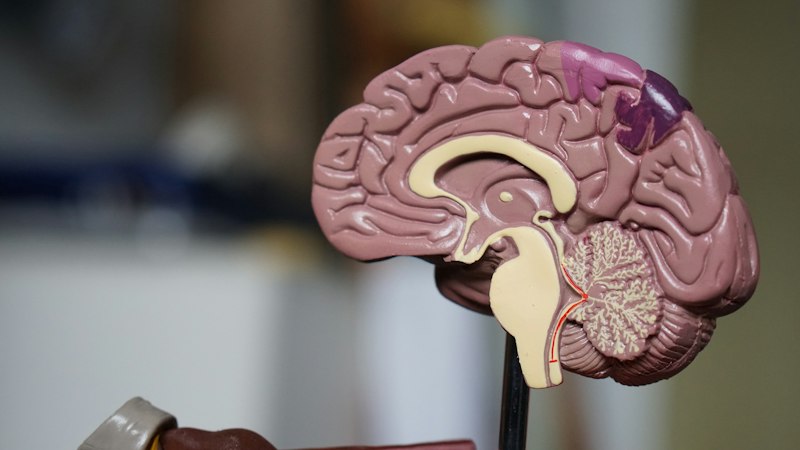
Imagine the room suddenly spinning without warning — combined with a roaring sound in one ear and muffled hearing that may never fully return. That's the reality of a Ménière's attack. It's unpredictable, disorienting, and chronic. But with the right care, most people with Ménière's disease can manage their symptoms and live full lives.
KEY STATISTICS • 615,000 Americans living with Ménière's • 45,500 new cases diagnosed each year • Peak age of onset: 40–60 years • No cure, but symptoms are manageable
WHAT IS MÉNIÈRE'S DISEASE?
Ménière's disease is a chronic disorder of the inner ear that disrupts both hearing and balance. It's caused by an abnormal buildup of fluid — called endolymph — in the inner ear's delicate labyrinth system. When this fluid pressure fluctuates, it interferes with both the hearing signals and balance signals sent to the brain, triggering the hallmark episodes known as Ménière's attacks.
The disease was first described by French physician Prosper Ménière in 1861, who correctly identified it as an inner ear condition rather than a brain disorder. Today, it affects an estimated 615,000 Americans and is classified as a rare disorder, though experts believe it may be significantly underdiagnosed.
Ménière's is called a disease, but it's really a cluster of symptoms for which the exact underlying cause remains unknown — and for which there is currently no cure. Management focuses on reducing the frequency and severity of attacks.
THE FOUR HALLMARK SYMPTOMS
Ménière's disease is defined by four core symptoms that typically occur together during an attack. Episodes generally last between 20 minutes and 24 hours.
-
Vertigo — Severe spinning dizziness, often with nausea and vomiting. Can be debilitating during an attack. Some episodes cause sudden falls called "drop attacks."
-
Hearing Loss — Typically affects low frequencies and may fluctuate early on. Over time, hearing loss can become permanent, especially in the affected ear.
-
Tinnitus — A persistent ringing, buzzing, roaring, or hissing sound in the affected ear. May be intermittent early on and become constant over time.
-
Aural Fullness — A sense of pressure or congestion in the ear — similar to the feeling of flying or driving through elevation changes — that often precedes an attack.
Drop attacks: Some people with advanced Ménière's experience sudden, unexpected falls without loss of consciousness — called crises of Tumarkin. These can be dangerous and require immediate medical evaluation.
WHO GETS MÉNIÈRE'S DISEASE?
Ménière's disease can develop at any age, but most commonly appears between ages 40 and 60. It is rare in children under 18. The disorder predominantly affects one ear, though in 15% to 25% of cases, both ears eventually become involved.
Research suggests Ménière's is somewhat more prevalent in women and in people of European descent. Certain conditions appear more frequently alongside it, including migraines and autoimmune diseases such as rheumatoid arthritis and lupus.
Known triggers that may provoke attacks include stress, fatigue, emotional upset, illness, high-salt diet, caffeine, and alcohol. Identifying and avoiding personal triggers is a key part of living with Ménière's.
HOW MÉNIÈRE'S PROGRESSES: THE STAGES
Stage 1 (Early): Sudden vertigo attacks with tinnitus and hearing loss during episodes. Full or near-full recovery between attacks. Symptom-free periods may last over a year.
Stage 2 (Middle): Attacks become more regular. Tinnitus and aural fullness may persist between episodes. Hearing loss begins to accumulate and may no longer fully recover.
Stage 3 (Late): Severe vertigo attacks often lessen. However, permanent hearing loss, chronic imbalance, and constant tinnitus are more likely. Drop attacks may occur.
DIAGNOSIS
There is no single definitive test for Ménière's disease. Diagnosis is primarily clinical — based on the pattern of symptoms and ruling out other causes. A doctor will typically order a hearing test (audiogram) and may recommend an MRI to exclude other conditions such as acoustic neuroma or vestibular migraine.
Because symptoms can be similar to other disorders, Ménière's is often misdiagnosed or diagnosed only after years of symptoms. Consulting an otolaryngologist (ENT specialist) or neuro-otologist is recommended for anyone with recurring vertigo accompanied by hearing changes.
TREATMENT OPTIONS
While there is no cure, a range of treatments can significantly reduce the frequency and severity of attacks:
• Medications — Diuretics and a low-sodium diet are typically the first-line approach. Anti-nausea and anti-vertigo medications help manage acute attacks. • Injections — Steroid injections into the middle ear can reduce inflammation. Gentamicin injections can reduce vertigo by partially ablating the vestibular system. • Hearing Aids & Devices — Hearing aids can help with associated hearing loss. Pressure pulse devices (Meniett device) may reduce episode frequency. • Vestibular Rehabilitation — Therapy to help the brain compensate for inner ear imbalance, particularly useful for chronic unsteadiness. • Surgery — Reserved for severe, treatment-resistant cases. Options include endolymphatic sac surgery or labyrinthectomy.
LIVING WITH MÉNIÈRE'S DISEASE
Ménière's has a significant impact on quality of life. Anxiety and depression are substantially more common in people with Ménière's than in the general population. Key lifestyle adjustments include:
• Reduce sodium intake to under 1,500–2,000 mg/day • Stay consistently hydrated throughout the day • Limit caffeine and alcohol — common triggers • Prioritize sleep and manage stress levels • Track attacks to identify personal triggers • Seek mental health support — it's part of care
Working closely with an ENT specialist and building a personalized management plan makes a meaningful difference.
Tags: Ménière's Disease, Inner Ear, Vertigo, Tinnitus, Hearing Loss, Balance Disorders, ENT, Chronic Conditions