
Mycobacterial Infections: A Complete Overview
The Mycobacterium family includes some of history's most notorious pathogens — and some of its most overlooked. From tuberculosis to leprosy to emerging nontuberculous infections, here's what you need to know.
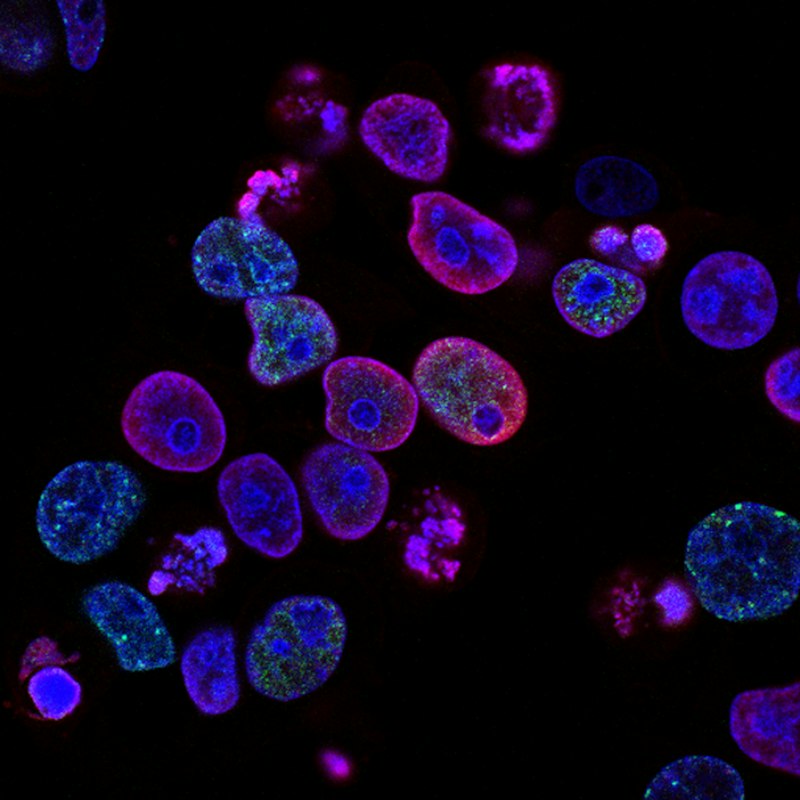
Mycobacteria are a unique family of slow-growing bacteria with waxy, thick cell walls that make them extraordinarily resistant to antibiotics, disinfectants, and the human immune system. The genus Mycobacterium includes both ancient scourges — tuberculosis has killed more people than any other infectious disease in history — and a growing class of environmental infections increasingly affecting vulnerable populations today.
What Are Mycobacterial Infections?
Mycobacterial infections are caused by bacteria belonging to the genus Mycobacterium. What makes these bacteria unusual is their distinctive biology: a thick, waxy outer layer (composed of mycolic acid) acts like a shield, repelling many antibiotics and allowing the bacteria to survive for weeks outside a host — in soil, water, and dust.
Mycobacterial infections fall into three major categories: tuberculosis (caused by M. tuberculosis), leprosy/Hansen's disease (caused by M. leprae), and a broad, growing category called nontuberculous mycobacteria (NTM) — all other species in the genus.
Mycobacteria are among the most treatment-resistant bacteria known. Many require months or years of combination antibiotic therapy — and drug-resistant strains are an increasing global threat. Multidrug-resistant TB (MDR-TB) currently affects hundreds of thousands of people annually worldwide, and only about 2 in 5 people with drug-resistant TB receive treatment.
Key Global Statistics
- 10.7 million people fell ill with TB globally in 2024
- 1.23 million TB deaths worldwide in 2024
- 10,347 TB cases reported in the U.S. in 2024 — a 12-year high
- 190+ recognized nontuberculous mycobacteria (NTM) species
The Three Major Categories
Tuberculosis (TB) — Mycobacterium tuberculosis complex
TB affects 10.7 million people per year globally. It spreads through airborne droplets from coughs or sneezes of active cases. Approximately 25% of the global population carries latent TB infection, though only 5–10% of latent cases progress to active disease.
Key symptoms of active TB include: persistent cough lasting 3+ weeks (sometimes with blood), fever, night sweats, unexplained weight loss, fatigue, and chest pain. Extrapulmonary TB can affect bone, kidney, and the brain (meningitis).
Treatment: Standard 6-month course of 4 antibiotics (RIPE regimen). MDR-TB requires 18–24 months with second-line drugs. The BCG vaccine is available, with 18 new vaccine candidates in the pipeline.
U.S. TB Alert: After nearly three decades of consistent decline, U.S. TB cases have risen for three consecutive years. The CDC reported 10,347 cases in 2024 — an 8% increase over 2023 and the highest count in over 12 years.
Leprosy (Hansen's Disease) — Mycobacterium leprae & M. lepromatosis
Approximately 200,000 new cases occur globally per year. It spreads through prolonged, close contact with untreated cases — not casual contact. Armadillos are a natural reservoir in the southern U.S. Notably, 95% of people have natural immunity.
Key symptoms include: pale or reddish skin patches with reduced sensation, nerve damage causing numbness in hands, feet, and face, muscle weakness, and deformities if untreated. The long incubation period means symptoms may appear 2–12 years after exposure.
Treatment: Multi-drug therapy (MDT) with rifampicin, dapsone, and clofazimine. Fully curable when treated — though nerve damage may be permanent if diagnosis is delayed. WHO provides MDT free worldwide.
Nontuberculous Mycobacteria (NTM) — 190+ species
NTM infections are rising in the U.S. They spread environmentally — from soil, water, dust, and biofilms — and are not transmitted person-to-person. Exposure can occur by inhaling water from showers, hot tubs, or pools, or through wounds, medical devices, or procedures.
Key symptoms: chronic cough, fatigue, weight loss (lung infection); sores and ulcers after water/soil exposure (skin); lymph node swelling; and disseminated infection in immunocompromised patients.
Treatment requires multidrug antibiotic regimens for 12–24+ months. M. avium complex (MAC) is treated with azithromycin + rifampin + ethambutol. M. abscessus is among the most drug-resistant organisms known. Surgery is sometimes required.
Major NTM Species
- M. avium complex (MAC): Most common NTM pathogen in the U.S. Primarily causes lung disease and disseminated infection in HIV patients.
- M. abscessus: Rapidly growing, highly drug-resistant. Major threat to cystic fibrosis and lung transplant patients. Notoriously difficult to treat.
- M. kansasii: Causes TB-like lung disease. More treatable than MAC. Found in municipal water supplies in some regions.
- M. ulcerans: Causes Buruli ulcer — a destructive skin disease common in sub-Saharan Africa. WHO-listed neglected tropical disease.
- M. marinum: "Fish tank granuloma" — skin infection from contaminated water in aquarium hobbyists and fish handlers.
- M. fortuitum: Linked to post-surgical and post-procedural skin infections. Associated with tattoo parlors and nail salons with contaminated footbaths.
Who Is Most at Risk?
- Structural lung disease: Bronchiectasis, COPD, prior TB, and cystic fibrosis all create conditions where mycobacteria can colonize and grow.
- Weakened immune system: HIV/AIDS, organ transplant, cancer chemotherapy, and biologic medications (especially TNF inhibitors) dramatically raise risk.
- Travel or origin from high-TB-burden regions: India, China, Indonesia, Pakistan, and the Philippines account for more than half of global TB cases.
- Age and body type: Older women with a slender, tall build (Lady Windermere syndrome) have increased susceptibility to pulmonary NTM.
- Healthcare exposure: Hospital water systems, medical devices, and procedures can all be NTM sources.
Diagnosis & Treatment
Diagnosing mycobacterial infections requires specialized testing — standard bacterial cultures often miss these slow-growing organisms.
- Sputum Culture & AFB Smear: Acid-fast bacillus (AFB) smear microscopy is the quickest initial test. Culture — which takes 2–6 weeks — confirms species identification and drug susceptibility.
- Molecular Testing (PCR/GeneXpert): Delivers TB diagnosis and drug-resistance results in hours rather than weeks.
- Chest Imaging (CT / X-ray): Reveals characteristic patterns — cavities, nodules, and "tree-in-bud" patterns — guiding diagnosis and monitoring treatment response.
- Skin Tests & Blood Tests: The tuberculin skin test (TST) and interferon-gamma release assays (IGRAs) detect latent TB infection.
Drug resistance is a growing crisis. MDR-TB and XDR-TB require years of second- and third-line treatment with higher toxicity and far lower success rates. Only about 2 in 5 people with drug-resistant TB accessed treatment in 2024.
The Global Picture & Funding Crisis
Tuberculosis remains the world's leading cause of death from a single infectious pathogen — surpassing HIV/AIDS. Despite modest progress in 2024, the global decline is far behind the WHO's End TB Strategy targets.
- 83 million lives saved by TB treatment since 2000
- Only 12% reduction in TB incidence 2015–2024 (target was 50%)
- 2 million+ additional TB deaths projected 2025–2035 if funding cuts persist
In low-incidence countries like the U.S., NTM infections are now overtaking TB in absolute numbers — a shift that has driven renewed research investment and updated clinical guidelines from the American Thoracic Society.