
Pneumocystis Infections (PCP / PJP): A Complete Overview
Pneumocystis jirovecii pneumonia (PCP/PJP) is a life-threatening opportunistic infection that nearly vanished in HIV patients with modern antiretroviral therapy — but is now rising in a new population of immunocompromised patients, with mortality rates up to 50%.
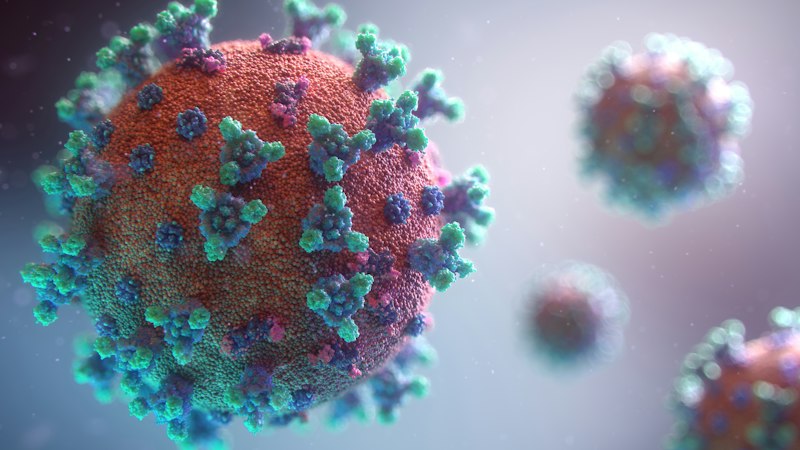
Pneumocystis jirovecii pneumonia — known as PCP or PJP — was once considered primarily a disease of AIDS. Antiretroviral therapy and routine prophylaxis transformed that picture dramatically. But as immunosuppressive therapies have expanded across oncology, transplantation, rheumatology, and beyond, a new and often unrecognized epidemic of PCP is emerging in patients who may not seem obviously at risk.
Key Statistics
- 10–20% mortality rate in HIV-positive PCP with modern treatment
- 30–50% mortality rate in non-HIV immunocompromised PCP — far higher
- Over 50% of PCP cases today occur in non-HIV patients
- TMP-SMX prophylaxis is highly effective — yet widely underused in non-HIV patients
What Is Pneumocystis?
Pneumocystis jirovecii is a unique organism — once classified as a protozoan, now recognized as an atypical fungus. It is ubiquitous in the environment, and most people encounter it harmlessly in childhood. In healthy individuals, the immune system keeps it in check. But when immunity is compromised — particularly when T-cell-mediated immunity falters — P. jirovecii can colonize and infect the lungs, causing pneumonia that ranges from mild to fatal.
Pneumocystis jirovecii is a unicellular eukaryote with characteristics of both fungi and protozoa. It cannot be cultured in standard laboratory media — a major reason why diagnosis has historically been challenging. Critically, it is resistant to standard antifungal medications like fluconazole and amphotericin B. Treatment requires trimethoprim-sulfamethoxazole (TMP-SMX) or alternative agents. Up to 20% of healthy adults may be asymptomatically colonized, potentially serving as sources of transmission to immunocompromised individuals.
HIV vs. Non-HIV: Two Very Different Presentations
PCP behaves differently depending on whether the patient has HIV infection. The non-HIV presentation is typically more acute, more severe, and carries significantly higher mortality — often because it is not recognized as quickly and because the intense inflammatory response to even a smaller fungal burden causes rapid deterioration.
HIV-Positive PCP: Onset over weeks to months — gradual. Triggered when CD4+ count drops below 200 cells/mm³. Generally less severe initially. Mortality 10–20% with treatment. Prophylaxis is routine and widely implemented.
Non-HIV Immunocompromised PCP: Acute onset over days — rapid deterioration. Triggered by corticosteroids, chemotherapy, or biologics. Often severe due to strong inflammatory response. Mortality 30–50%. ICU admission required in ~42% of cases. Prophylaxis guidelines inconsistently applied — a major gap in care.
In countries with near-elimination of HIV-associated PCP — including the United States — non-HIV PCP has overtaken HIV-associated PCP in absolute numbers. Yet guidelines for prophylaxis in non-HIV patients remain scattered and inconsistently applied.
Who Is at Risk?
HIV/AIDS: CD4+ count below 200 cells/mm³ is the traditional threshold. With ART, risk is dramatically reduced but not eliminated.
Corticosteroid Use: The single most common risk factor in non-HIV PCP. Long-term prednisone (>20 mg/day for >4 weeks) is a major trigger. Often overlooked as a PCP risk even by specialists.
Hematologic Malignancies: Leukemia, lymphoma, and myeloma — particularly with intensive chemotherapy. Accounts for ~29% of non-HIV PCP cases. Rituximab and other B-cell-depleting agents carry specific risk.
Organ & Bone Marrow Transplant: Solid organ transplant recipients on immunosuppression and hematopoietic stem cell transplant (HSCT) patients are at high risk. Prophylaxis is standard but time-limited.
Biologic & Targeted Therapies: TNF inhibitors (infliximab, adalimumab), JAK inhibitors, anti-CD20 therapies (rituximab), and checkpoint inhibitors used in oncology and autoimmune disease all carry PCP risk.
Autoimmune & Inflammatory Disease: Connective tissue diseases (lupus, vasculitis, myositis) treated with immunosuppression. Accounts for ~20% of non-HIV PCP. Inflammatory myopathy carries particularly high risk.
Symptoms
The classic triad of PCP is fever, dry cough, and progressive shortness of breath — but the rate of progression differs dramatically between HIV and non-HIV presentations.
HIV-Positive PCP Presentation:
- Gradual onset over weeks — often weeks of worsening dyspnea
- Dry, nonproductive cough
- Low-grade or intermittent fever
- Exertional dyspnea that worsens with activity
- Weight loss, fatigue often present
- Oxygen saturation may be near-normal at rest, drops with exertion
Non-HIV PCP Presentation:
- Acute onset over days — rapid clinical deterioration
- High fever, rigors
- Severe dyspnea — may progress to respiratory failure within days
- Dry cough (sputum production uncommon)
- Hypoxemia often severe at presentation
- ICU admission required in up to 42% of cases
A key pattern: Patients often worsen 3–5 days after starting treatment even when treatment is appropriate — this is thought to reflect the inflammatory response to dying organisms rather than treatment failure. Adjunctive corticosteroids can mitigate this inflammatory deterioration in moderate-severe cases.
Diagnosis
PCP cannot be cultured in standard laboratory media, making diagnosis dependent on direct visualization of organisms in respiratory specimens or indirect biomarker testing.
Bronchoalveolar Lavage (BAL) + Microscopy: Gold standard. BAL fluid is stained with Giemsa, silver stain, or immunofluorescence to visualize Pneumocystis cysts. Sensitivity >90% in HIV patients. Requires bronchoscopy.
PCR (Polymerase Chain Reaction): Highly sensitive — detects Pneumocystis DNA in BAL, induced sputum, or oral wash. Can distinguish colonization from active infection based on quantitative load. Increasingly first-line at major centers.
Serum Beta-D-Glucan (BDG): A fungal cell wall component detected in blood. Elevated in PCP — a sensitive screening test. A negative result helps exclude PCP in HIV patients. Less specific in non-HIV patients.
CT Chest Imaging: CT shows characteristic bilateral, symmetric "ground-glass opacities" — a hazy, frosted-glass appearance in both lungs. Chest X-ray may appear normal early. CT is more sensitive and often prompts early bronchoscopy.
Treatment
PCP must be treated promptly — delay significantly worsens outcomes. Treatment should begin on clinical suspicion without waiting for confirmed microbiological results.
TMP-SMX (trimethoprim-sulfamethoxazole) — First-Line: Standard treatment for all PCP. High-dose IV or oral for 21 days. Most effective regimen available. Adverse effects (renal failure, hepatotoxicity, cytopenias) are common — especially in non-HIV.
Pentamidine (IV) — Alternative: Used when TMP-SMX is contraindicated. Equally effective but more toxic — hypoglycemia, nephrotoxicity, and cardiac arrhythmias are significant concerns.
Atovaquone — Mild–Moderate Cases: Oral option for mild-moderate PCP in patients intolerant of TMP-SMX. Less effective than TMP-SMX for severe disease.
Primaquine + Clindamycin — Alternative Combination: Used when first-line agents fail or cannot be tolerated. Primaquine requires G6PD testing before use.
Corticosteroids (Adjunctive): Added for moderate-severe PCP (PaO₂ <70 mmHg or A-a gradient >35 mmHg). In HIV patients, corticosteroids reduce mortality and progression to respiratory failure.
Prevention: The Most Important Intervention
PCP prophylaxis is highly effective and should be considered in any patient at meaningful risk. Most non-HIV PCP cases are potentially preventable — yet studies consistently show that prophylaxis guidelines are not being followed for the majority of eligible non-HIV patients.
TMP-SMX (Bactrim) — First-line prophylaxis: One double-strength tablet daily or three times weekly. Highly effective for all patient groups. Prophylaxis of choice for HIV patients with CD4 <200 and for most non-HIV immunocompromised patients.
Inhaled Pentamidine: Monthly nebulization — used when oral TMP-SMX is not tolerated. Less effective than TMP-SMX for extrapulmonary disease.
Atovaquone / Dapsone: Oral alternatives when TMP-SMX cannot be tolerated. Dapsone requires G6PD screening.
The Non-HIV PCP Crisis: ~59% of non-HIV PCP patients who should have been on prophylaxis weren't. There has been a +19% increase in PCP-related mortality in Germany from 2014–2019 as non-HIV cases rose. The number needed to treat with TMP-SMX to prevent one PCP case in high-risk non-HIV patients is 19.
Important warning: Standard antifungals don't work for PCP. Unlike most fungal infections, Pneumocystis jirovecii is resistant to fluconazole, itraconazole, and amphotericin B. If PCP is suspected, empirical treatment must use TMP-SMX or an approved alternative — not standard antifungals.
Ask your doctor about prophylaxis if you are receiving long-term corticosteroids, chemotherapy, biologic therapy, or immunosuppression after transplant.