Prescription Drug Misuse: A Complete Overview
Nearly 14 million Americans misuse prescription drugs each year — making it the second most common form of drug misuse in the country. Understanding the why, the what, and the how is essential for patients, families, and providers.
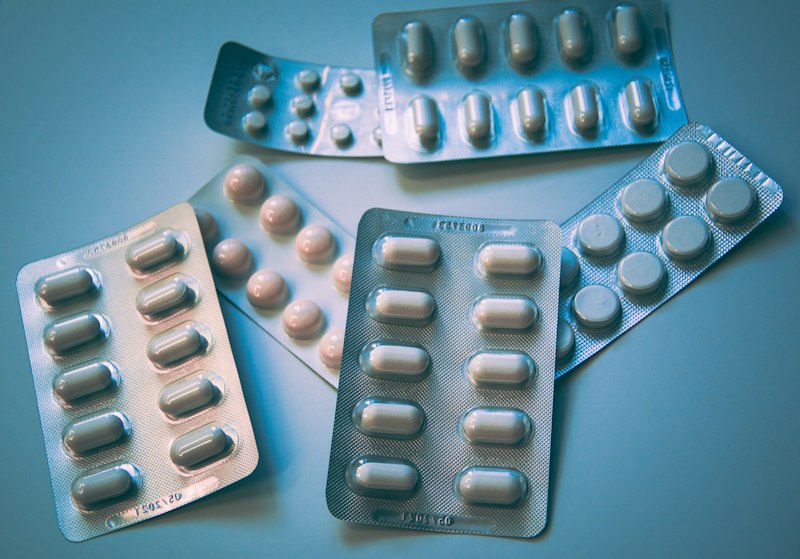
Prescription drugs save lives — but the same properties that make them medically powerful also make them vulnerable to misuse. Prescription drug misuse is not primarily a story of people "getting high." It's a complex public health crisis driven by undertreated pain, mental health conditions, overprescribing, easy access, and the biology of addiction.
Key Statistics
- ~14 million Americans misuse prescription drugs annually
- 9.3 million specifically misuse prescription opioids each year
- 7.6 million of prescription misusers have developed addiction
- #2 most commonly misused illicit substance — behind only marijuana
What Is Prescription Drug Misuse?
Prescription drug misuse occurs when a medication is taken in a way other than prescribed — including taking someone else's prescription, taking a higher dose, using it for a non-medical purpose, or combining it with other substances to enhance its effects. Misuse is distinct from diversion (selling or giving away medications) and from addiction (a chronic brain disorder involving compulsive use despite harm).
Key Distinctions:
- Misuse: Using a prescribed medication differently than directed — wrong dose, wrong frequency, wrong person, or wrong purpose. Not always intentional — many patients accidentally misuse due to confusion about instructions.
- Addiction (Use Disorder): A chronic brain disease characterized by compulsive use, inability to control use, and continued use despite harmful consequences. Develops in a subset of people who misuse — driven by neurobiological changes in the reward system.
- Physical Dependence: The body's adaptation to a drug, causing withdrawal when stopped. Dependence can develop with proper medical use and does not equal addiction — though they often co-occur with chronic misuse.
- Diversion: Transferring a legally prescribed medication to someone for whom it wasn't prescribed. A major source of prescription drug availability outside medical channels.
Fewer than 1 in 10 people who misuse prescription pain relievers report doing so primarily to get high. The majority misuse to relieve physical pain, manage emotions, cope with stress, or counter withdrawal symptoms.
The Major Drug Categories
Opioid Pain Relievers (9.3M misused annually)
Oxycodone, hydrocodone, fentanyl, morphine, codeine
Why they're misused: Relieve pain beyond prescribed levels; self-medicate emotional distress or anxiety; counter withdrawal from prior opioid use; produce euphoria (minority of users).
Key risks: Respiratory depression (can be fatal); rapid development of tolerance and dependence; high transition rate to heroin when prescriptions are cut off; fentanyl contamination in diverted pills.
Signs of misuse: Running out of prescriptions early; doctor shopping for multiple prescriptions; crushing or snorting pills; sedation, slurred speech, pinpoint pupils.
Benzodiazepines & Sedatives (4.6M misused annually)
Xanax, Valium, Klonopin, Ativan, zolpidem (Ambien)
Why they're misused: Relieve tension and anxiety (35.6%); aid sleep (24.3%); emotional coping (19.3%); combined with opioids for enhanced effect.
Key risks: Highly dangerous in combination with opioids — synergistic respiratory depression; withdrawal can be life-threatening (seizures); cognitive impairment with chronic use.
Signs of misuse: Taking larger doses or more frequently than prescribed; combining with alcohol or opioids; drowsiness, confusion, memory problems; inability to reduce use despite wanting to.
Prescription Stimulants (3.7M misused annually)
Adderall, Ritalin/Concerta, Vyvanse
Why they're misused: Academic or work performance enhancement; weight loss; staying awake for extended periods; euphoria at higher doses.
Key risks: Cardiovascular: heart attack, stroke, arrhythmia; psychosis and paranoia at high doses; high blood pressure; severe withdrawal (depression, fatigue, sleep disruption).
Signs of misuse: Taking without a prescription; taking higher doses for stronger effect; insomnia, decreased appetite, agitation; weight loss.
Stimulant misuse on college campuses is often underappreciated as a risk. Studies consistently show 5–35% of college students report non-medical use of prescription stimulants — primarily for studying. Many students don't perceive this as drug misuse, increasing risk of harm and escalation.
The Counterfeit Pill Crisis — Why Fentanyl Changes Everything
Illicitly manufactured fentanyl (IMF) has fundamentally transformed the risk of prescription drug misuse. Counterfeit pills made to look identical to prescription opioids (oxycodone, Xanax, Adderall) are now widely circulating — and many contain lethal doses of fentanyl. A single pill can kill.
The DEA has warned that 6 out of 10 counterfeit pills tested contain a potentially lethal dose of fentanyl. Anyone taking a prescription drug obtained outside of a pharmacy — from a friend, online, or elsewhere — is at serious risk of fentanyl poisoning, even if they have taken the same drug before.
Naloxone (Narcan) reverses fentanyl overdose and is available over the counter at most pharmacies. Carrying naloxone is now recommended for anyone who uses or lives with someone who uses any prescription opioid or illicit substance.
Why People Misuse — Motivations
- Relieve physical pain: ~55%
- Relieve tension/anxiety: ~35%
- Help with sleep: ~25%
- Cope with emotions/feelings: ~20%
- Enhance focus or performance: ~15%
- Get high / euphoria: <10%
Risk Factors
- Mental health conditions: Depression, anxiety, PTSD, and trauma significantly increase misuse risk — often as self-medication for untreated symptoms.
- Family history of addiction: Genetic factors account for approximately 40–60% of addiction vulnerability.
- Age 18–25: Young adults have the highest misuse rates (5.8% annually). Brain development continues into the mid-20s, making the reward system particularly vulnerable.
- Easy access via prescriptions: Most people who misuse prescription drugs obtain them from family or friends — not by purchasing or stealing.
- History of trauma or adverse childhood experiences: ACEs are strongly associated with substance use disorders.
- Long-term prescription use: Prolonged use of opioids, benzodiazepines, or stimulants — even as prescribed — can lead to physical dependence that creates vulnerability to misuse.
Treatment & Recovery
Prescription drug use disorders are treatable. Recovery is possible. The most effective approaches combine medication (when available) with behavioral therapy and long-term support.
Medication-Assisted Treatment (MAT) — For Opioid Use Disorder: Buprenorphine (Suboxone), methadone, and naltrexone are FDA-approved medications that dramatically reduce cravings, withdrawal, and overdose risk. MAT combined with counseling is the gold standard for opioid use disorder — yet remains severely underutilized due to stigma and access barriers.
Cognitive Behavioral Therapy (CBT): Addresses the thought patterns and behaviors that sustain misuse. Helps identify triggers, build coping skills, and prevent relapse. Effective across all prescription drug misuse types.
Motivational Interviewing & Peer Support: Motivational interviewing meets patients where they are — building intrinsic motivation for change. Peer support groups (including SMART Recovery and 12-step programs) provide community and accountability.
Levels of Care: From outpatient counseling to intensive outpatient programs (IOP), residential treatment, and medically supervised detox — the appropriate level of care depends on severity, co-occurring conditions, and social support.
Benzodiazepine withdrawal can be life-threatening. Unlike opioid withdrawal — which is extremely uncomfortable but rarely fatal — stopping benzodiazepines abruptly can cause seizures and death. Anyone with significant benzodiazepine dependence should only taper under medical supervision.
Prevention
- Safe medication disposal: Use DEA drug take-back programs or FDA-approved disposal pouches. Unused prescription medications in the home are a primary source of misuse.
- Open conversations: Talk with family members — especially teens — about the risks of prescription drug misuse, including the counterfeit pill fentanyl threat.
- Prescription drug monitoring programs (PDMPs): PDMPs allow prescribers to identify patients receiving multiple prescriptions.
- Keep naloxone at home: Available over the counter, naloxone (Narcan) reverses opioid overdose. If anyone in your household uses opioids, having naloxone on hand can be life-saving.
- Secure medications at home: Lock up prescription medications, especially opioids and benzodiazepines. Many young people first misuse drugs obtained from a parent's or grandparent's medicine cabinet.
Recovery is the norm, not the exception. The majority of people with prescription drug use disorders do recover — especially with appropriate treatment and support. Substance use disorder is a chronic health condition, not a moral failure, and it deserves the same compassion and evidence-based care as any other chronic disease.
Need Help Now?
If you or someone you care about is struggling with prescription drug misuse or addiction, free and confidential help is available:
- SAMHSA National Helpline — 1-800-662-4357 (free, confidential, 24/7, English & Spanish)
- Crisis Text Line — Text HOME to 741741
- 988 Suicide & Crisis Lifeline — Call or text 988
SAMHSA's helpline connects callers with local treatment resources. No insurance required.