
Thyroid Diseases: A Complete Overview
20 million Americans have thyroid disease — and up to 60% don't know it. From the fatigue of hypothyroidism to the anxiety of Graves' disease, thyroid conditions affect nearly every system in the body.
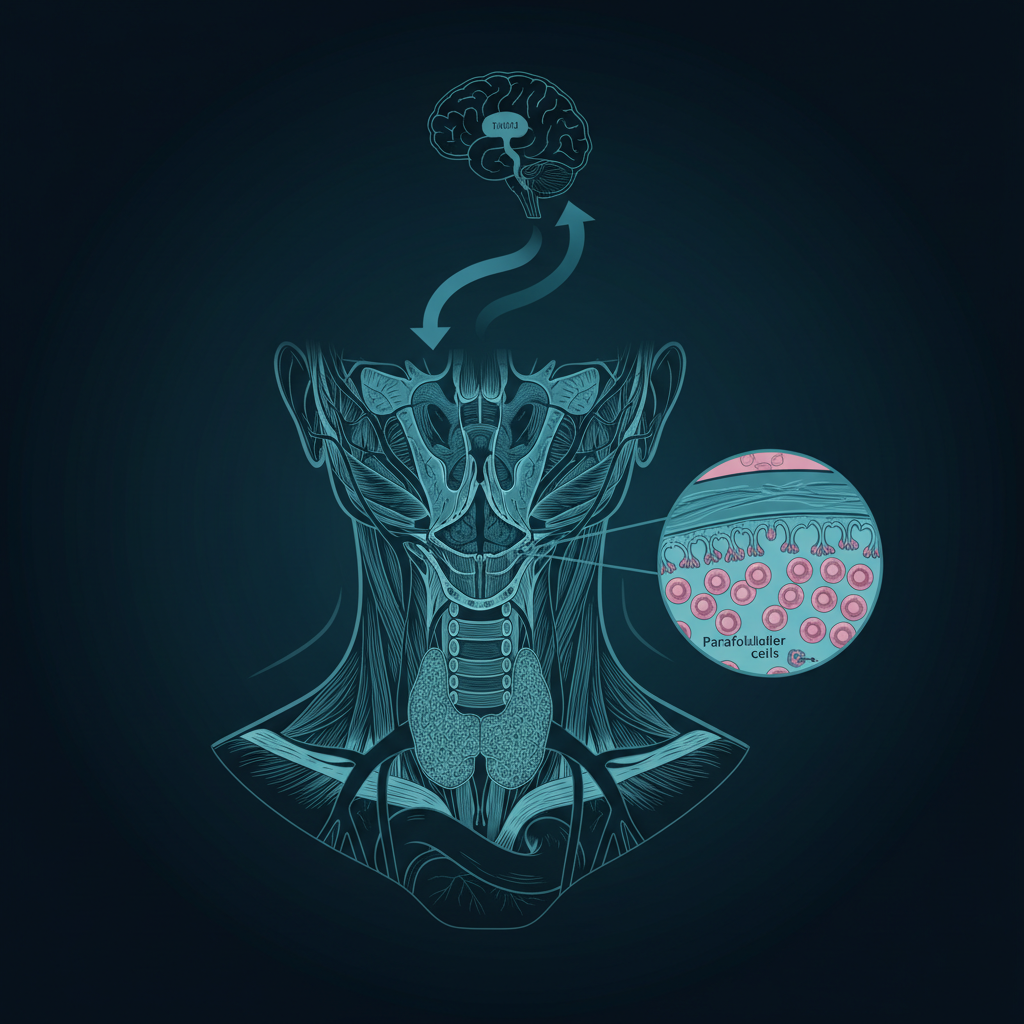
The thyroid is a small butterfly-shaped gland in the neck — but its hormones influence virtually every organ in the body. Too much thyroid hormone and the body revs like an engine in overdrive: racing heart, anxiety, weight loss. Too little and everything slows: fatigue, depression, weight gain, cold intolerance. Most thyroid diseases are highly treatable once diagnosed — and the challenge is often just getting diagnosed in the first place.
Key Statistics
- 20 million Americans have some form of thyroid disease
- 12% of the U.S. population will develop a thyroid condition during their lifetime
- 8–9× more common in women than men — one of medicine's largest gender gaps
- ~60% of people with thyroid disease are unaware of their condition
What the Thyroid Does The thyroid gland produces two main hormones: thyroxine (T4) and triiodothyronine (T3). These hormones regulate the body's metabolic rate — controlling energy use, heart rate, body temperature, digestion, mood, and much more. The thyroid is regulated by the pituitary gland, which releases thyroid-stimulating hormone (TSH) to control thyroid output in a continuous feedback loop.
The TSH Feedback Loop: The hypothalamus signals the pituitary, which releases TSH. TSH stimulates the thyroid to produce T4 and T3. As thyroid hormone levels rise, they signal the pituitary to reduce TSH output. In hypothyroidism, thyroid hormone levels fall — TSH rises in compensation. In hyperthyroidism, thyroid hormone levels rise — TSH falls. This is why TSH is the primary screening test for most thyroid conditions: a high TSH suggests an underactive thyroid; a low TSH suggests an overactive one.
Hypothyroidism vs. Hyperthyroidism
Hypothyroidism (Underactive Thyroid — Too Little Hormone):
- U.S. prevalence: ~4.6% — most common thyroid disorder
- TSH: HIGH (pituitary working harder)
- Key symptoms: Fatigue, weight gain, cold intolerance, depression, constipation, dry skin, slow heart rate
- Most common cause: Hashimoto's thyroiditis (autoimmune)
- Treatment: Levothyroxine (synthetic T4) — daily pill
Hyperthyroidism (Overactive Thyroid — Too Much Hormone):
- U.S. prevalence: ~1.2% (overt + subclinical)
- TSH: LOW (pituitary suppressed)
- Key symptoms: Weight loss, rapid heartbeat, anxiety, tremor, heat intolerance, excessive sweating, diarrhea
- Most common cause: Graves' disease (autoimmune)
- Treatment: Antithyroid drugs, radioactive iodine, or surgery
Subclinical thyroid dysfunction — where TSH is abnormal but T3/T4 remain in the normal range — is even more common than overt disease. Whether to treat subclinical hypothyroidism is nuanced and depends on TSH level, symptoms, age, and special circumstances like pregnancy.
Major Thyroid Conditions
Hashimoto's Thyroiditis (~14M U.S. cases): The most common autoimmune disease in the U.S. and the primary cause of hypothyroidism. The immune system attacks thyroid tissue, causing progressive inflammation and destruction. Identified by anti-TPO and anti-thyroglobulin antibodies. Often runs in families with a strong female predominance (7:1 ratio).
Key symptoms: Fatigue and sluggishness, weight gain despite normal diet, brain fog, cold intolerance, constipation, dry skin and hair, depression and mood changes. Some patients have a phase of hyperthyroid symptoms before developing hypothyroidism.
Diagnosis & Treatment: TSH (high), Free T4 (low or low-normal), anti-TPO antibodies (elevated). Treatment is levothyroxine once daily with a goal of normalizing TSH to 1.0–2.5 mIU/L. Some patients feel better on combination T4/T3 therapy — ongoing research. Regular TSH monitoring and dose adjustment are required.
Note: Roughly 15% of patients on levothyroxine continue to have symptoms — particularly fatigue, brain fog, and depression — even with TSH in normal range. If you're on levothyroxine and still symptomatic, a conversation with your endocrinologist about optimization is warranted.
Graves' Disease (~1% U.S. prevalence): The most common cause of hyperthyroidism. Autoantibodies (TSI/TRAb) stimulate TSH receptors, causing continuous thyroid overproduction. Graves' ophthalmopathy (eye disease) affects ~25–50% of patients — proptosis, double vision, eye irritation.
Key symptoms: Racing heart and palpitations (atrial fibrillation risk), unintended weight loss despite increased appetite, anxiety, irritability, tremor, heat intolerance, excessive sweating, bulging eyes (exophthalmos).
Treatment: Antithyroid drugs (methimazole, PTU), beta-blockers for symptom control, radioactive iodine (RAI) — the most common definitive treatment in the U.S. — surgery (thyroidectomy) when ophthalmopathy is present or RAI is contraindicated, and teprotumumab (Tepezza) FDA-approved for moderate-severe Graves' eye disease.
Thyroid storm is a rare but life-threatening emergency — extreme hyperthyroidism with fever, racing heart, altered consciousness, and multi-organ dysfunction. Mortality is 10–20% even with treatment. Immediate ICU care is required.
Thyroid Nodules (250,000+ detected per year in U.S.): Extremely common solid or fluid-filled lumps within the thyroid. Detectable by imaging in up to 68% of adults. Approximately 95% are benign — but evaluation is essential. Risk factors for malignancy: male sex, young age, radiation history, rapid growth, hard consistency.
Evaluation: Ultrasound characterizes nodule features; ACR TI-RADS scoring guides biopsy decisions; fine needle aspiration (FNA) biopsy for nodules meeting thresholds; Bethesda System classifies cytology from 1 (non-diagnostic) to 6 (malignant); molecular testing (Afirma, Veracyte) for indeterminate results.
Management: Benign nodules require surveillance ultrasound. Active surveillance for low-risk papillary microcarcinoma is an emerging alternative to immediate surgery. Radiofrequency ablation (RFA) is a minimally invasive option for symptomatic benign nodules.
Thyroid Cancer (~45,000 new U.S. cases in 2026): The most common endocrine cancer with an excellent prognosis for most types.
- Papillary thyroid cancer (PTC) — ~80% of cases; most indolent; excellent prognosis
- Follicular thyroid cancer — ~15%; slightly more aggressive; may spread to bone and lung
- Medullary thyroid cancer — ~3–4%; arises from parafollicular C cells; may be familial (MEN2)
- Anaplastic thyroid cancer — rare (~2%); highly aggressive; poor prognosis; requires urgent treatment
Treatment: Surgery (total or hemithyroidectomy) is the primary treatment. Radioactive iodine for differentiated cancers with risk factors. Targeted therapies for advanced disease include lenvatinib, sorafenib, selpercatinib (RET+), and pralsetinib. The 5-year relative survival rate for papillary thyroid cancer is over 99% for localized disease.
Interpreting Thyroid Tests
- TSH — Primary screening test. HIGH = underactive thyroid; LOW = overactive thyroid or over-replacement
- Free T4 — Active unbound thyroxine. HIGH = hyperthyroidism; LOW = overt hypothyroidism
- Free T3 — Biologically active form. HIGH = T3 toxicosis or severe hyperthyroidism; LOW = severe hypothyroidism
- Anti-TPO Antibodies — Marker of autoimmune thyroid disease. Elevated in Hashimoto's or Graves' disease
- TRAb / TSI — Specific to Graves' disease. Positive = confirms Graves' disease
- Thyroglobulin — Used after thyroidectomy for cancer surveillance. Elevated post-surgery = possible recurrence
Thyroid Disease in Pregnancy Thyroid hormones are critical for fetal brain development — particularly in the first trimester, before the fetal thyroid is functional. Untreated hypothyroidism in pregnancy is associated with miscarriage, preeclampsia, preterm birth, and impaired child neurodevelopment. Hyperthyroidism in pregnancy carries risks including fetal thyroid dysfunction from maternal antibodies crossing the placenta. PTU is preferred over methimazole in the first trimester. All women with known thyroid disease should optimize thyroid function before conception and monitor closely throughout pregnancy.
Treatment Options
- Levothyroxine (Synthroid, Euthyrox) — For hypothyroidism. Synthetic T4 taken once daily on an empty stomach. The most prescribed medication in the U.S. Most patients take it for life.
- Antithyroid Medications — For hyperthyroidism. Methimazole (preferred) or propylthiouracil (PTU). ~50% remission rate for Graves' disease over 12–18 months. Rare side effect: agranulocytosis.
- Radioactive Iodine (RAI, I-131) — For hyperthyroidism and selected cancers. Destroys thyroid tissue. Nearly always results in hypothyroidism requiring lifelong levothyroxine.
- Thyroidectomy (Surgery) — For large goiters, cancer, or nodules. Total or hemithyroidectomy. Risks include hoarseness (recurrent laryngeal nerve) and hypocalcemia (parathyroid damage).
- Targeted Therapies — For advanced thyroid cancer. Lenvatinib and sorafenib for radioiodine-refractory disease. Selpercatinib and pralsetinib for RET-mutant cancers. Dabrafenib + trametinib for BRAF V600E-mutant anaplastic thyroid cancer.
- Radiofrequency Ablation (RFA) — For symptomatic benign nodules. Minimally invasive outpatient procedure. Reduces nodule volume by 50–90% without surgery or anesthesia.
Over 12% of Americans will develop a thyroid condition in their lifetime — yet thyroid disease is routinely missed because its symptoms overlap with depression, anxiety, menopause, and normal aging. Women over 35, those with a family history of thyroid disease, and those with other autoimmune conditions should discuss routine TSH screening with their doctor. A simple blood test can detect most thyroid disorders.
This content is for informational purposes only and does not constitute medical advice. Always consult a qualified healthcare provider.