
Fibrosis: When Healing Turns to Scarring
Fibrosis is the buildup of thick, stiff scar tissue in an organ. A small amount is a normal part of healing — but when it spreads unchecked, it can stiffen the lungs, liver, heart, or kidneys and quietly steal their ability to work.
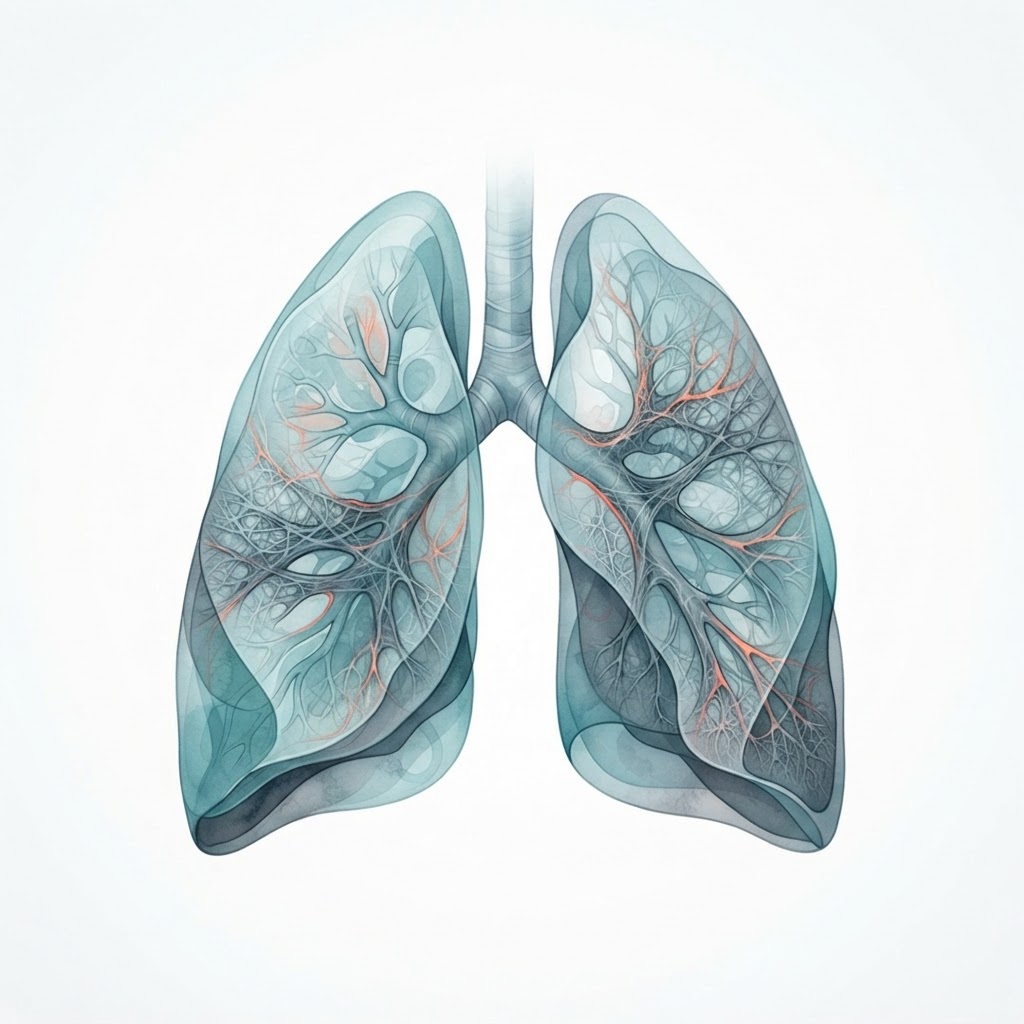
What is fibrosis?
Whenever tissue is injured, the body patches it with a protein scaffold made largely of collagen. Normally that scaffold is temporary — the repair crew clears out once healing is done.
In fibrosis, that "off switch" fails. Cells called fibroblasts keep laying down collagen and other connective-tissue proteins long after they're needed. The result is scar tissue that thickens, stiffens, and gradually replaces the healthy, functioning cells of an organ. Unlike a scar on your skin, internal fibrosis doesn't just look different — it changes how the organ works, making it harder for lungs to expand, for a liver to filter, or for a heart to pump.
The core idea: Fibrosis isn't a single disease. It's a shared end-stage process — organ scarring — that many different diseases can drive. That's why a lung specialist and a liver specialist can be treating "fibrosis" in the same week and mean very different things.
What causes it?
Fibrosis is usually the body's overreaction to ongoing injury or inflammation. Common triggers include:
- Chronic inflammation — from autoimmune diseases like scleroderma, rheumatoid arthritis, or inflammatory bowel disease.
- Long-term infections — hepatitis B and C are leading drivers of liver fibrosis worldwide.
- Toxins and exposures — alcohol, certain medications, and inhaled particles such as silica, asbestos, or coal dust.
- Metabolic disease — fatty liver disease tied to obesity and type 2 diabetes.
- Radiation therapy — which can scar nearby tissue months to years after treatment.
- Unknown causes — when no trigger can be identified, the condition is labeled "idiopathic," as in idiopathic pulmonary fibrosis.
Where fibrosis strikes
Because scarring can happen almost anywhere, fibrosis is often named for the organ it affects. These are the most common forms:
Lungs (Pulmonary)
Scarring stiffens lung tissue and thickens the walls where oxygen crosses into the blood, causing breathlessness and a dry cough. Includes idiopathic pulmonary fibrosis (IPF).
Liver (Hepatic)
Progressive scarring from hepatitis, alcohol, or fatty liver disease. Advanced liver fibrosis becomes cirrhosis, impairing filtering and clotting.
Heart (Cardiac)
Stiffened heart muscle after a heart attack or from chronic high blood pressure, reducing the heart's ability to fill and pump efficiently.
Kidneys (Renal)
Scarring of the filtering units, a common final pathway in chronic kidney disease that gradually reduces kidney function.
Fibrosis can also affect the skin and connective tissue (as in scleroderma), the bone marrow (myelofibrosis), and the intestines (as a complication of Crohn's disease).
Signs and symptoms
Symptoms depend heavily on which organ is scarring, and early fibrosis is often silent. General patterns to know:
- Lung fibrosis: shortness of breath (especially with activity), a persistent dry cough, fatigue, and rounded fingertips ("clubbing").
- Liver fibrosis: often no symptoms until advanced, then fatigue, swelling in the legs or abdomen, easy bruising, and yellowing of the skin or eyes.
- Heart fibrosis: breathlessness, swelling, irregular heartbeat, and reduced exercise tolerance.
- Kidney fibrosis: usually detected through blood and urine tests before symptoms appear; later, swelling and fatigue.
Why early signs get missed: Breathlessness and fatigue are easy to blame on aging or being out of shape. Because fibrosis often progresses slowly, people may adapt to their limitations without realizing an organ is quietly scarring. Persistent, unexplained symptoms deserve a professional evaluation.
How it's diagnosed
Diagnosis pieces together several types of information rather than relying on any single test:
- Imaging — high-resolution CT scans for the lungs; ultrasound, elastography, or MRI to gauge liver and heart stiffness without surgery.
- Blood tests — to check organ function and screen for autoimmune or viral causes.
- Function tests — pulmonary function tests measure how well the lungs move air; blood panels track kidney and liver performance.
- Biopsy — a small tissue sample remains the most definitive way to confirm and grade scarring, though non-invasive tools increasingly reduce the need for it.
Treatment and management
A crucial fact shapes every treatment plan: existing scar tissue generally cannot be reversed. The goal is to slow or stop new scarring, treat the underlying cause, and protect quality of life. Approaches include:
- Treating the root cause — clearing a hepatitis infection, stopping alcohol, controlling blood pressure or diabetes, or calming autoimmune activity can halt the driver of fibrosis.
- Antifibrotic medications — drugs such as pirfenidone and nintedanib can slow the decline of lung function in pulmonary fibrosis.
- Supportive therapies — supplemental oxygen, pulmonary or cardiac rehabilitation, and vaccinations to prevent infections that could worsen the organ.
- Lifestyle measures — not smoking, staying active within limits, and nutrition support.
- Transplant — for end-stage lung, liver, or kidney fibrosis, an organ transplant may be the only option that restores function.
Research into fibrosis is moving quickly, with a growing pipeline of drugs aimed at interrupting the scarring process itself. Clinical trials are often how patients access these next-generation therapies before they're widely available.
Living with fibrosis: Many people manage a fibrotic condition for years. A specialist team, an early and accurate diagnosis, and consistent follow-up make the biggest difference in staying ahead of the disease.
Key statistics:
- ~45% — Share of deaths in developed nations linked to fibrotic conditions
- 4 — Major organs commonly affected: lungs, liver, heart, kidneys
- 3–5 years — Typical survival range after diagnosis of idiopathic pulmonary fibrosis, without treatment
- 2 — FDA-approved antifibrotic drugs now used to slow lung scarring
Medical disclaimer: This article is for general informational and educational purposes only and is not a substitute for professional medical advice, diagnosis, or treatment. Fibrosis varies widely depending on the organ affected and its underlying cause. Always seek the guidance of a qualified physician or other health provider with any questions about a medical condition.