Heart Disease: The World's Leading Cause of Death
"Heart disease" covers a family of conditions that affect how the heart and blood vessels work — from clogged arteries to irregular rhythms and weakened pumping. The good news: much of it is preventable, and today's treatments help millions live full lives.
What is heart disease?
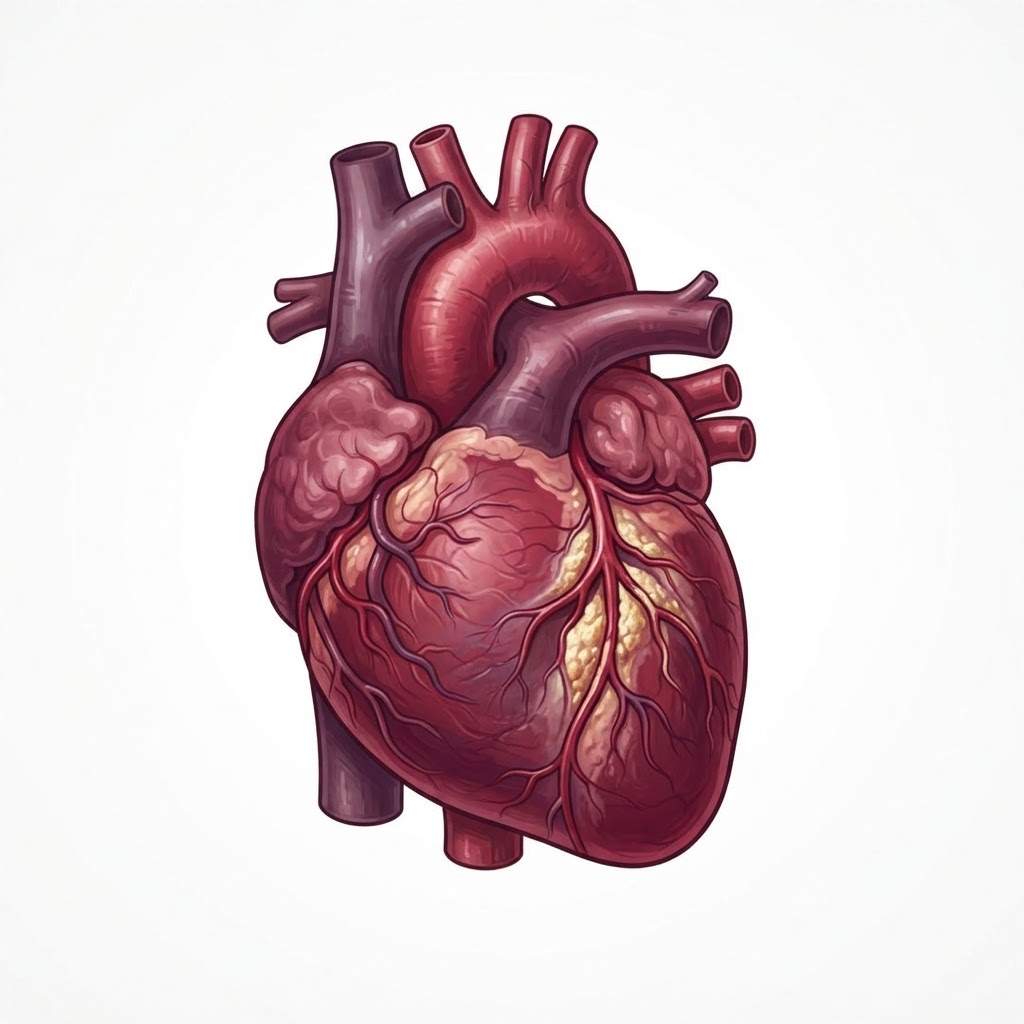
Heart disease — or cardiovascular disease — is an umbrella term for problems affecting the heart and the network of blood vessels that serve it and the rest of the body.
The most common form begins in the arteries. Over years, fatty deposits called plaque build up inside the vessel walls, narrowing and stiffening them in a process known as atherosclerosis. That restricts blood flow, forces the heart to work harder, and sets the stage for a heart attack or stroke. But heart disease isn't only about clogged arteries — it also includes rhythm disorders, valve problems, and conditions the heart is born with.
An important distinction: A heart attack is a sudden event — blood flow to part of the heart is blocked. Heart disease is the underlying, often long-developing condition that makes such events more likely. Understanding the disease is how you prevent the event.
The main types
Because "heart disease" is a category rather than a single illness, it helps to know the major forms:
Coronary Artery Disease
The most common type. Plaque narrows the arteries that supply the heart muscle, causing chest pain (angina) and raising heart-attack risk.
Heart Failure
The heart can't pump strongly enough to meet the body's needs. Often the end result of long-standing high blood pressure or artery disease.
Arrhythmias
Problems with the heart's electrical signaling cause it to beat too fast, too slow, or irregularly — atrial fibrillation is the most common.
Valve Disease
One or more of the heart's four valves leak or don't open fully, disrupting the flow of blood through the heart.
Cardiomyopathy
Disease of the heart muscle itself, which becomes enlarged, thickened, or stiff and pumps less effectively.
Congenital Heart Disease
Structural differences in the heart present from birth, ranging from minor to serious and often treatable.
Warning signs and symptoms
Symptoms vary by type, and some people — especially those with early artery disease — have none until a serious event occurs. General signs to know include chest pressure or discomfort, shortness of breath, fatigue, swelling in the legs or feet, dizziness, and a racing or fluttering heartbeat.
⚠️ Call emergency services immediately for signs of a heart attack:
- Chest pain, pressure, tightness, or squeezing — often lasting more than a few minutes
- Pain spreading to the arm, jaw, neck, back, or stomach
- Shortness of breath, with or without chest discomfort
- Cold sweat, nausea, or lightheadedness
Symptoms in women, older adults, and people with diabetes can be subtler — such as unusual fatigue, nausea, or jaw and back pain — and are more easily missed. When in doubt, seek emergency care.
Risk factors
Some risks can't be changed, but many can. Knowing yours is the first step toward prevention.
Factors you can influence
- High blood pressure and high cholesterol
- Smoking and tobacco use
- Type 2 diabetes and obesity
- Physical inactivity and a diet high in saturated fat, salt, and sugar
- Excessive alcohol and chronic, unmanaged stress
Factors you can't change
- Age — risk rises as you get older
- Family history of early heart disease
- Sex and certain ethnic backgrounds, which carry differing baseline risks
How it's diagnosed
Cardiologists draw on a range of tools depending on the suspected problem:
- Electrocardiogram (ECG/EKG) — records the heart's electrical activity to spot rhythm problems and signs of a past or ongoing heart attack.
- Echocardiogram — an ultrasound that shows the heart's structure, pumping strength, and valve function.
- Stress testing — measures how the heart performs under exertion.
- Blood tests — check cholesterol, blood sugar, and markers of heart-muscle damage.
- Angiography and CT imaging — reveal blockages in the coronary arteries.
Treatment and prevention
Most heart disease is managed with a combination of lifestyle change, medication, and — when needed — procedures.
Lifestyle
A heart-healthy diet, regular physical activity, quitting smoking, limiting alcohol, and managing stress and weight remain the foundation of both prevention and treatment.
Medications
Depending on the condition, these may include statins to lower cholesterol, drugs to control blood pressure, blood thinners to prevent clots, and medications that steady heart rhythm or ease the heart's workload.
Procedures
When medication isn't enough, options include stents to open blocked arteries, bypass surgery, valve repair or replacement, pacemakers and implantable defibrillators for rhythm disorders, and — in advanced heart failure — transplant.
The bottom line: Heart disease is common and serious, but rarely inevitable. Regular checkups, knowing your numbers (blood pressure, cholesterol, and blood sugar), and acting early on risk factors dramatically lower your odds of a serious event.
Key statistics:
- #1 — Leading cause of death worldwide for both men and women
- ~18M — Deaths each year globally from cardiovascular disease
- 1 in 5 — U.S. deaths tied to heart disease each year
- ~80% — Share of premature heart disease considered preventable
Medical disclaimer: This article is for general informational and educational purposes only and is not a substitute for professional medical advice, diagnosis, or treatment. Heart disease takes many forms and requires individualized evaluation. If you think you may be having a heart attack or other cardiac emergency, call your local emergency number right away. Always seek the guidance of a qualified physician with questions about your heart health, and never disregard professional medical advice because of something you have read here.