
GERD Awareness Week: What to Watch Out For This Thanksgiving
Frequent heartburn isn't just a side effect of the holidays. It can be a sign of gastroesophageal reflux disease. Here's how to spot it, how to get through the biggest eating week of the year, and when to call a doctor.
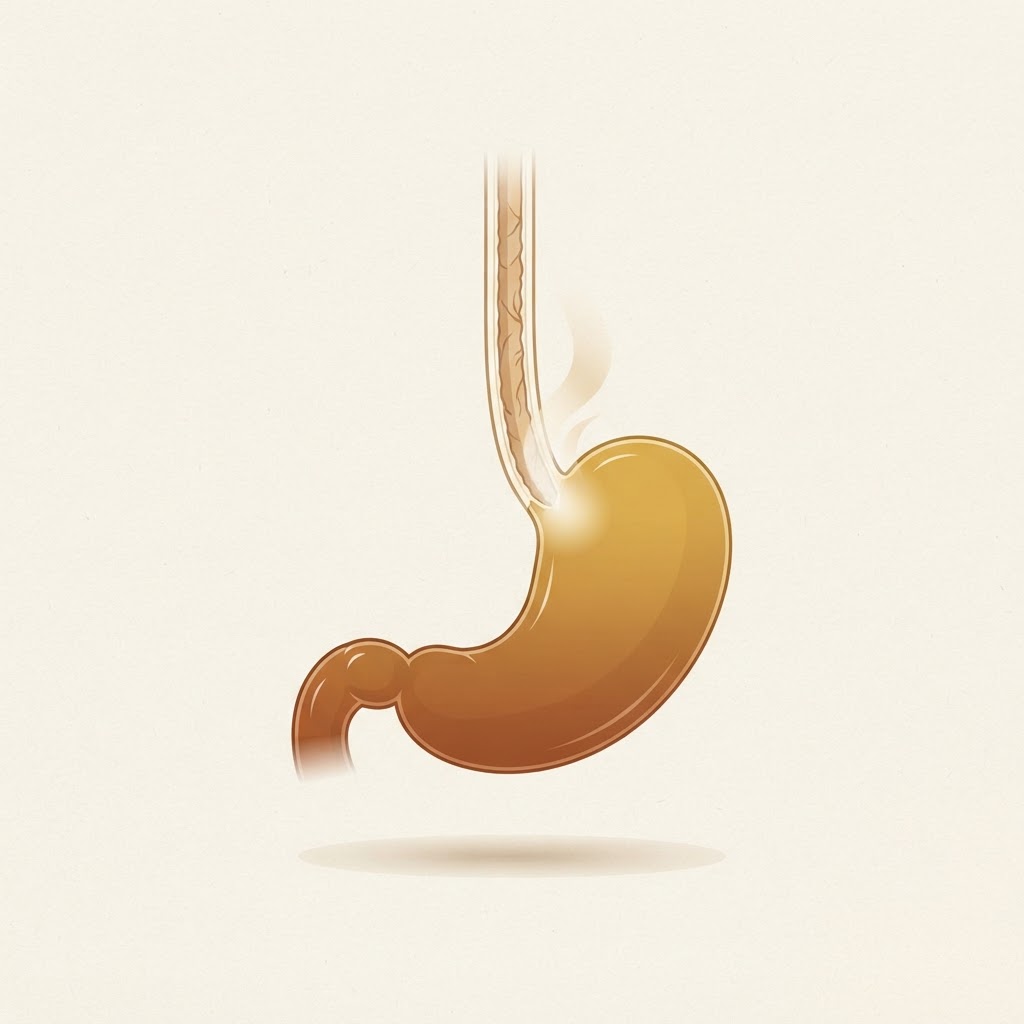
Every year since 1999, the International Foundation for Gastrointestinal Disorders (IFFGD) has marked GERD Awareness Week during the week of Thanksgiving. This year it runs from Sunday, November 22 to Saturday, November 28, 2026. The timing is no accident: Thanksgiving week brings large, rich meals, late-night eating and holiday drinks, all classic triggers for heartburn and acid reflux. This year's campaign encourages people to recognize the signs, understand the warning symptoms, and take an active role in their care.
The week in numbers
- About 20% — share of people in the U.S. estimated to have GERD (NIH)
- 2+ times a week — heartburn that often may point to GERD, not just occasional reflux
- 3 hours — how long doctors suggest waiting after a big meal before lying down
- November 22–28 — GERD Awareness Week 2026
What is GERD?
Gastroesophageal reflux (GER), often called acid reflux, happens when stomach contents flow back up into the esophagus, the tube that carries food from your mouth to your stomach. Almost everyone has reflux once in a while. Normally a ring of muscle at the bottom of the esophagus, the lower esophageal sphincter, works with the diaphragm to keep stomach contents where they belong.
GERD is the more severe, long-lasting form. It's diagnosed when reflux causes repeated, bothersome symptoms or leads to complications over time. A common rule of thumb is heartburn two or more times a week, though less frequent symptoms can still count if they're troublesome.
Common symptoms
- Heartburn: a burning feeling behind the breastbone that rises toward the throat
- Regurgitation: food or sour stomach acid coming back up into the throat or mouth
- Chest pain, nausea, or trouble or pain when swallowing
- A chronic cough, hoarseness or laryngitis
- Wearing away of tooth enamel
Not everyone with GERD has heartburn. That's one reason the condition often goes unrecognized or gets mistaken for something else.
What to watch out for this week
Gastroenterologists describe the classic reflux setup this way: a large, fatty meal late in the day, washed down with alcohol, followed by lying down flat. For many families, that's a description of Thanksgiving. Here are the triggers to keep an eye on at the table, and an easy swap for each one.
- Overfilled plates — a very full stomach puts pressure on the valve that keeps acid down. Swap: take smaller portions and go back for seconds later if you're still hungry.
- Rich, fatty dishes — fat slows digestion, so food stays in the stomach longer. Swap: fill half your plate with turkey breast, vegetables and salad.
- Wine, beer and cocktails — alcohol relaxes the lower esophageal sphincter, letting acid escape. Swap: keep it to one drink, and alternate with water.
- Chocolate desserts — a common GERD aggravator. Swap: choose a small slice, or a fruit-based dessert.
- After-dinner mints — peppermint is a frequent heartburn irritant. Swap: skip the mint and sip water instead.
- Late dinners and couch naps — lying down soon after eating makes reflux easier. Swap: eat earlier in the day and stay upright afterward.
Your GERD game plan for Thanksgiving
Before the meal. If you regularly manage heartburn with medicine, ask your doctor or pharmacist ahead of time how to use it around a big meal. Plan to eat earlier in the day if you can, so you have time to digest before bed.
At the table. Go slow, use a smaller plate, and limit fatty, fried and spicy dishes. Watch your alcohol intake, since drinks plus a heavy meal are a recipe for reflux.
Right after eating. Resist the couch. A short, easy walk with family helps digestion. Avoid lying down for about three hours after a big meal.
At bedtime. Try to stop eating two to three hours before bed, and skip late-night leftovers. Raising the head of your bed can also help keep acid down overnight.
The rest of the week. Leftovers and holiday parties keep the triggers going. Spread meals out, keep portions modest, and pay attention to which foods bother you.
When to see a doctor
Make an appointment if you think you have GERD, or if your symptoms don't improve with over-the-counter medicine or lifestyle changes. Seek care promptly for symptoms that may signal a complication or another serious problem:
- Trouble swallowing or pain when swallowing
- Persistent vomiting, or loss of appetite
- Vomit that contains blood or looks like coffee grounds
- Stool that is black and tarry or contains blood
- Unexplained weight loss
Heartburn vs. heart attack: chest pain can come from the heart, not the stomach. If chest pain is severe, spreads to your arm, jaw or back, or comes with shortness of breath, sweating or lightheadedness, call 911 right away.
Why it's worth taking seriously
Left untreated, GERD can lead to serious complications over time. These include esophagitis (inflammation of the esophagus, which can cause ulcers and bleeding), esophageal stricture (narrowing that makes swallowing hard), and Barrett's esophagus, a change in the lining of the esophagus. A small number of people with Barrett's esophagus go on to develop a type of cancer called esophageal adenocarcinoma. GERD can also cause problems beyond the esophagus, including asthma-like symptoms, chronic cough and hoarseness.
The good news is that GERD is very treatable. In most cases doctors diagnose it from your symptoms and history, and treatment often starts with lifestyle changes and medicines rather than tests. Your doctor may suggest further testing if symptoms persist or warning signs appear.
"Don't dismiss persistent heartburn."
Lillia Cherkasskiy, MD, family medicine, CHI Health
Who is more likely to have GERD?
Anyone can develop GERD. Risk is higher if you have overweight or obesity, are pregnant, take certain medicines (such as some sedatives and blood pressure drugs called calcium channel blockers), or smoke or are regularly around secondhand smoke.
Closing the data gap
GERD rates differ across racial and ethnic groups, yet many of the studies behind common U.S. estimates drew on mostly white populations. That means current numbers may not fully reflect every community's experience. If heartburn is a regular part of your week, don't wait for the statistics to catch up: bring it up with your provider.
Join the conversation
This GERD Awareness Week, take a moment to check in with your body, and with the people around your table. Share what you've learned, follow IFFGD's campaign at #GERDAwarenessWeek26, and if heartburn has become routine, make a plan to talk with your doctor after the holiday.
Sources
- International Foundation for Gastrointestinal Disorders (IFFGD): GERD Awareness Week 2026
- NIDDK: Definition & Facts for GER & GERD
- NIDDK: Symptoms & Causes of GER & GERD
- Mayo Clinic News Network: Holiday feasting without the heartburn
- Hartford HealthCare: 5 Tips for Avoiding Heartburn on Thanksgiving
- UT Medicine: Avoid heartburn this Thanksgiving
- Houston Methodist: Enjoying the holiday season heartburn free
- CHI Health: GERD Awareness Week, More Than Just Heartburn
- Delshad et al., Prevalence of GERD symptoms in the U.S. (PMC)
This article is for informational purposes only and is not a substitute for professional medical advice. Talk with your healthcare provider about your symptoms and treatment.