Postpartum Depression
Postpartum depression (PPD) is a serious mood disorder that can occur after childbirth, characterized by persistent sadness, anxiety, exhaustion, and difficulty bonding with or caring for a newborn. It goes beyond the typical "baby blues" and can significantly impair a new mother's ability to function. Nationally, about 1 in 8 women experience symptoms of postpartum depression after giving birth, representing over 460,000 mothers each year — with rates as high as 1 in 5 in some U.S. states. The condition is on the rise: diagnosed PPD prevalence doubled from 9.4% in 2010 to 19.3% in 2021, with significant increases across all racial and ethnic groups — and the largest relative increase seen among Asian/Pacific Islander women (280%). Despite its prevalence, PPD remains dramatically underidentified — nearly 50% of mothers with postpartum depression are never diagnosed by a health professional, and less than 20% of women are screened for maternal depression. Risk factors include prior mental health history, low income, young or advanced maternal age, and limited social support. With proper treatment — including therapy, medication, and peer support — up to 80% of individuals with PPD achieve full recovery.
Related Articles

Postpartum Depression: A Complete Overview
1 in 8 new mothers experience postpartum depression — yet nearly half are never diagnosed. Here's what PPD really is, how it's different from the baby blues, new breakthrough treatments including FDA-approved zuranolone, and how to get help.

Understanding Depression: Symptoms, Causes & Treatment
Depression is one of the most common medical conditions in the world — and one of the most treatable. Here's what you need to know about symptoms, causes, and the full range of treatment options available.
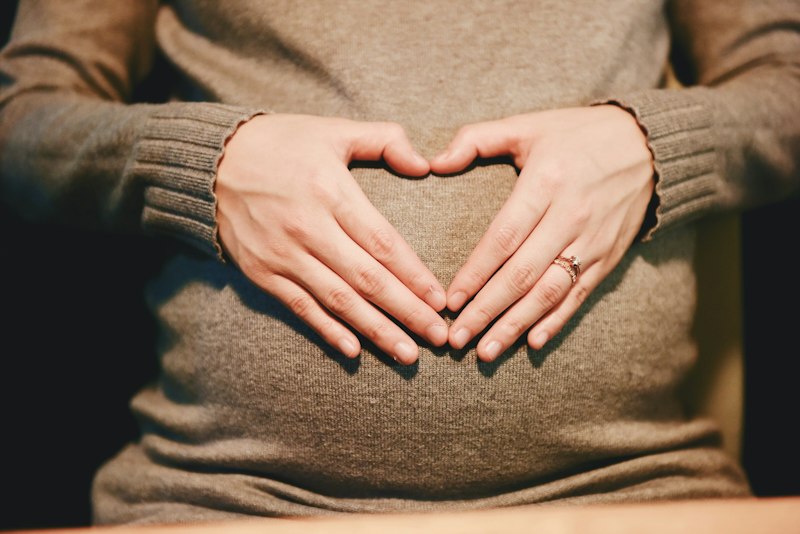
What Every Woman Should Know About Maternal Health in America
A closer look at where we stand — and what you can do to protect yourself and your baby. The U.S. maternal mortality rate remains higher than comparable nations, with significant racial disparities and growing maternity care deserts.