
Emphysema
Emphysema is a progressive and irreversible lung disease in which the tiny air sacs of the lungs — the alveoli — are gradually destroyed, reducing the surface area available for oxygen exchange and making every breath increasingly difficult. It is one of the two primary conditions that make up chronic obstructive pulmonary disease (COPD), alongside chronic bronchitis, and the two conditions frequently coexist. Cigarette smoking is by far the leading cause, responsible for approximately 85–90% of cases, though long-term exposure to air pollution, occupational dust and chemical fumes, and a rare genetic condition called alpha-1 antitrypsin deficiency can also trigger the disease. Emphysema develops silently over years — many people dismiss early breathlessness as a normal sign of aging — and by the time symptoms become noticeable, significant and permanent lung damage has already occurred. The hallmark symptom is progressive shortness of breath, initially with exertion and eventually at rest, accompanied by chronic cough, wheezing, and a characteristic barrel-shaped chest in advanced disease. While emphysema cannot be reversed, its progression can be slowed: quitting smoking is the single most important intervention, and a combination of bronchodilators, pulmonary rehabilitation, supplemental oxygen, and in select cases surgical or bronchoscopic lung volume reduction can meaningfully improve breathing, function, and quality of life.
Related Articles

Emphysema: When Breathing Becomes a Burden
Emphysema is a progressive lung disease that silently destroys the air sacs that power every breath. Understanding it early — before symptoms become severe — is the key to slowing its course.
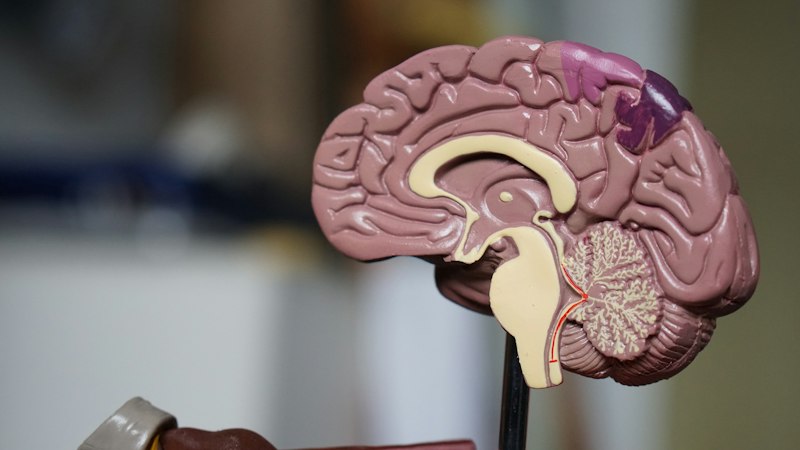
Understanding COPD
Chronic obstructive pulmonary disease — COPD — is a progressive condition in which the lungs become increasingly damaged, making it harder and harder to breathe. It is the fourth leading cause of death in the US, affects more than 16 million Americans, and is significantly undertreated because many people believe their breathlessness is simply a normal part of aging.

Understanding Chronic Bronchitis
Chronic bronchitis is more than a stubborn cough. It is a form of chronic obstructive pulmonary disease (COPD) — a long-term inflammatory condition of the airways that affects millions of Americans and is the fourth leading cause of death in the United States.
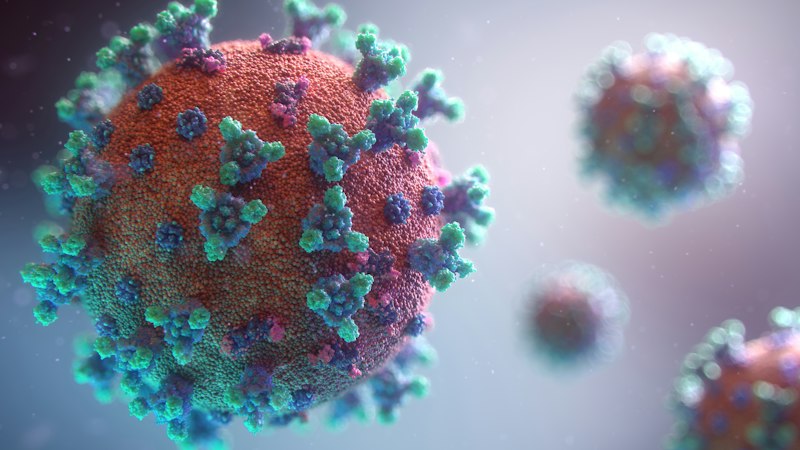
What Is Legionnaires' Disease? A Complete Overview
From the bacteria hiding in water systems to symptoms, risk factors, and treatment — everything you need to know about Legionnaires' disease in one place. ~13,000 severe U.S. cases occur per year, with 95% requiring hospitalization.