
Mental Disorders
Mental disorders encompass a broad range of conditions that affect mood, thinking, behavior, and daily functioning — including anxiety disorders, depression, bipolar disorder, schizophrenia, PTSD, OCD, and many others. Over 57.8 million U.S. adults — approximately 22.8% of the adult population — are affected by some form of mental illness, with 14.1 million (5.5%) living with serious mental illness that severely disrupts daily functioning. Mental disorders are among the most common and costly health conditions in the country, with anxiety disorders alone affecting an estimated 42.5 million adults annually. The lifetime prevalence of any mental disorder among U.S. adolescents aged 13–18 is approximately 49.5%, underscoring how early these conditions often emerge. Despite their prevalence, treatment access remains a persistent gap — 1 in 4 adults with any mental illness reported an unmet need for treatment, and more than 5 million adults with mental illness are uninsured. Disparities in diagnosis and care persist across gender, race, income, and geography, and stigma — while declining — remains a barrier to help-seeking. Effective treatments exist for most mental disorders, including psychotherapy, medication, and integrated care models, but investment in the mental health workforce and system capacity has not kept pace with growing need.
Related Articles
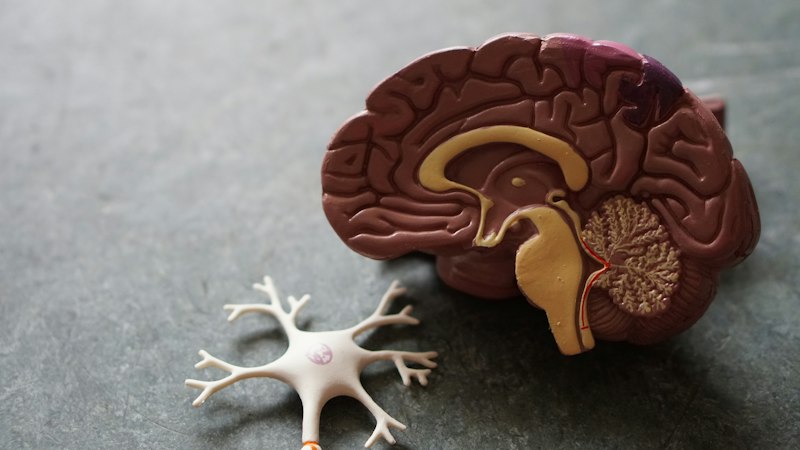
What Is OCD? Understanding Obsessive-Compulsive Disorder
OCD is not a quirk or a personality type — it is a serious, often debilitating condition affecting nearly 10 million Americans. And yet most cases go undiagnosed, untreated, or mistreated for over a decade.
Schizophrenia: A Complete Overview
One of the most misunderstood and stigmatized conditions in medicine — schizophrenia affects how a person thinks, feels, and perceives reality. With early treatment and sustained support, recovery is possible for most people.
Understanding Epilepsy: What It Is, What Causes It, and What You Need to Know
Epilepsy affects millions of Americans of all ages, yet it remains one of the most misunderstood neurological conditions. Here's what the science actually says.

Understanding Mental Disorders: A Complete Overview
More than 60 million Americans live with a mental disorder. Understanding what they are, how they're diagnosed, and how they're treated is the first step toward getting help. 1 in 5 U.S. adults is affected annually.