
Obsessive - Compulsive Disorder
Obsessive-compulsive disorder (OCD) is a chronic mental health condition characterized by intrusive, unwanted thoughts (obsessions) and repetitive behaviors or mental rituals (compulsions) performed to relieve the distress those thoughts cause. Despite its severity, OCD is frequently misunderstood, trivialized, and undertreated. An estimated 1.2% of U.S. adults had OCD in the past year, with a lifetime prevalence of 2.3% — meaning approximately 1 in 40 Americans will develop OCD at some point in their lives. Past-year prevalence is significantly higher in women (1.8%) than in men (0.5%). OCD is the fourth most common mental disorder globally, yet on average it takes 14 to 17 years from symptom onset for a person to receive a proper diagnosis and treatment — a staggering gap that leads to years of unnecessary suffering. Approximately 60% of patients with OCD experience co-occurring major depression, and anxiety disorders, ADHD, and tic disorders are also common comorbidities. The most effective treatments are cognitive behavioral therapy (specifically exposure and response prevention, or ERP) and serotonin reuptake inhibitor medications, though access to OCD-specialized care remains limited across much of the country.
Related Articles
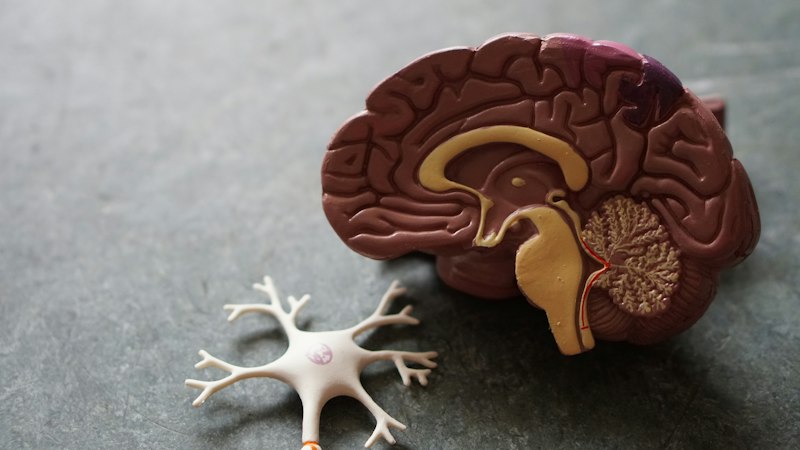
What Is OCD? Understanding Obsessive-Compulsive Disorder
OCD is not a quirk or a personality type — it is a serious, often debilitating condition affecting nearly 10 million Americans. And yet most cases go undiagnosed, untreated, or mistreated for over a decade.

Understanding Mental Disorders: A Complete Overview
More than 60 million Americans live with a mental disorder. Understanding what they are, how they're diagnosed, and how they're treated is the first step toward getting help. 1 in 5 U.S. adults is affected annually.