
Autism Spectrum Disorder
Autism Spectrum Disorder (ASD) is a complex neurodevelopmental condition that affects how a person communicates, interacts socially, and processes the world around them — and it looks different in every individual it touches. ASD is not a single condition but a broad spectrum, ranging from individuals who need significant daily support to those who live and work independently with little or no assistance. It affects an estimated 1 in 36 children in the United States — a prevalence that has risen steadily over recent decades, reflecting both improved diagnostic awareness and genuine increases in incidence. Core features often include differences in social communication, repetitive behaviors or routines, and heightened or reduced sensitivity to sensory input, though no two people with autism share the exact same profile of strengths and challenges. ASD is also frequently accompanied by co-occurring conditions including ADHD, anxiety, epilepsy, and gastrointestinal issues. While autism is a lifelong condition, early intervention — including behavioral therapies, speech and occupational therapy, and educational support — can make a profound difference in outcomes, and many autistic individuals go on to build meaningful relationships, pursue careers, and contribute richly to their communities.
Symptoms
Core diagnostic areas (DSM-5): • Persistent differences in social communication and interaction — difficulty reading social cues, back-and-forth conversation, understanding unspoken rules, interpreting tone or facial expressions • Restricted or repetitive behaviors, interests, or activities — stimming (rocking, hand-flapping, tapping), strict routines, intensely focused interests Additional presentations: • Sensory differences — heightened or reduced sensitivity to sound, light, touch, taste, or smell; sensory overload leading to meltdowns • Executive function challenges — difficulty with planning, task-switching, managing time, handling unexpected changes • Emotional regulation differences — alexithymia (difficulty identifying one's own emotions); meltdowns (involuntary neurological response to overload) and shutdowns (inward withdrawal) • Masking — suppressing natural autistic behaviors to fit in socially; linked to burnout, anxiety, and depression Co-occurring conditions (significantly elevated rates): ADHD, anxiety disorders, depression, epilepsy, GI issues, sleep disorders
Treatments
There is no medication that treats autism itself. Support focuses on quality of life, communication, and reducing distress — not eliminating autistic traits. Evidence-supported early interventions: • Speech-language therapy — builds communication skills • Occupational therapy — addresses sensory and motor differences • Naturalistic Developmental Behavioral Interventions (NDBIs) — child-led, play-based approaches with strong evidence base School-age supports: • IEP (Individualized Education Program) — legally binding accommodations document • 504 plans — accommodation plans for students who don't qualify for full IEP • Sensory accommodations: noise-canceling headphones, flexible seating, quiet spaces Mental health: • Cognitive Behavioral Therapy (CBT) — adapted for autism, effective for anxiety and depression • Autistic burnout recovery: rest, reduced demands, sensory-safe environment Adult supports: • Vocational rehabilitation and employment coaching • Independent living skills programs • Community support networks Family/caregiver support: • Parent training programs • Peer support communities • Respite care Note on ABA: Applied Behavior Analysis is controversial. Early intensive ABA focused on eliminating autistic behaviors has been criticized by autistic adults as harmful. Modern naturalistic approaches focused on communication and quality of life are preferred by most autism researchers and self-advocates.
Risk Factors
Genetics: ASD is highly heritable — having a sibling with autism significantly increases likelihood. Advanced parental age (both parents) is associated with increased risk. Prenatal factors: certain medications during pregnancy (e.g., valproate), premature birth, low birth weight. Sex: diagnosed ~4× more often in males, though females are significantly under-identified due to better masking. NOT a risk factor: vaccines (thoroughly disproven; original 1998 study was retracted for fraud).
Prevalence
Autism affects approximately 1 in 36 children in the United States (CDC, 2023) — up from 1 in 44 in the prior estimate, reflecting improved identification rather than a true increase in prevalence. Approximately 5.4 million adults in the U.S. live with autism. Autism is diagnosed ~4× more often in boys than girls, though girls and women are significantly under-diagnosed due to more effective masking. Diagnosis rates are also lower among Black, Hispanic, and lower-income populations due to disparities in access to evaluation services.
Related Articles
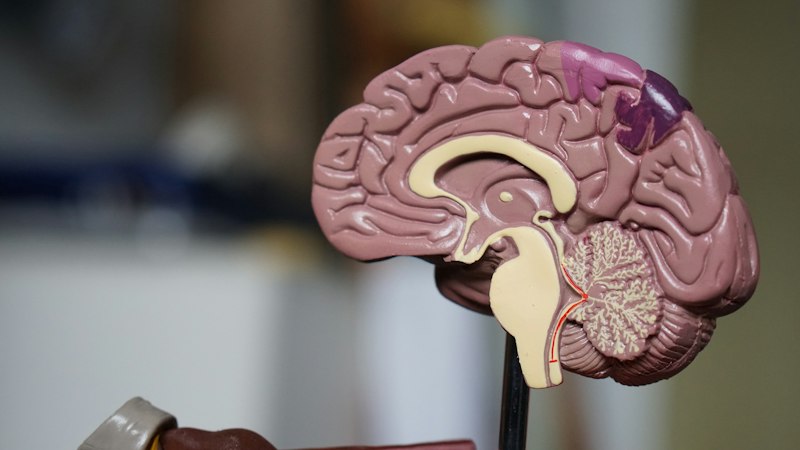
Understanding Autism: A Respectful, Science-Based Guide for Everyone
Autism is not a disease to be cured, a tragedy, or the result of bad parenting. It is a neurological difference — a distinct way of experiencing and interacting with the world — that affects roughly 1 in 36 children in the United States today. This guide covers what autism spectrum disorder actually is, how it's diagnosed, what support looks like across the lifespan, and how families, educators, and healthcare providers can do better.

Understanding Mental Disorders: A Complete Overview
More than 60 million Americans live with a mental disorder. Understanding what they are, how they're diagnosed, and how they're treated is the first step toward getting help. 1 in 5 U.S. adults is affected annually.