Childhood Vaccines
Childhood vaccines are one of the most effective public health tools ever developed. They train the immune system to recognize and fight specific pathogens without the risk of actual infection, protecting children from 14 serious diseases. Vaccination programs have eliminated smallpox, nearly eradicated polio, and dramatically reduced childhood mortality worldwide.
Symptoms
Vaccines prevent diseases rather than treat symptoms. Mild post-vaccination reactions are normal: low-grade fever (under 102°F), soreness or redness at the injection site, fussiness, and drowsiness. These resolve within 1–2 days. Severe allergic reactions (anaphylaxis) are extremely rare, occurring in about 1 in a million doses.
Treatments
The recommended CDC/AAP childhood immunization schedule includes: DTaP (diphtheria, tetanus, pertussis), MMR (measles, mumps, rubella), IPV (polio), Hib (bacterial meningitis), Hepatitis A & B, PCV15/PCV20 (pneumococcal), Varicella (chickenpox), RV (rotavirus), and annual Influenza vaccine starting at 6 months. Tdap, HPV series, and Meningococcal vaccines are given at 11–12 years.
Risk Factors
Under-vaccination increases risk of preventable serious diseases. Risk factors for missing vaccines include lack of access to healthcare, misinformation, and missed well-child visits. Children too young to be vaccinated, those with weakened immune systems, and immunocompromised individuals depend on community herd immunity for protection.
Prevalence
4 million lives are saved globally by vaccines every year. The US has seen a 99% reduction in polio cases since vaccine introduction. 14 diseases are prevented by the recommended childhood schedule. Every $1 spent on vaccines saves approximately $10 in future healthcare costs.
Related Articles
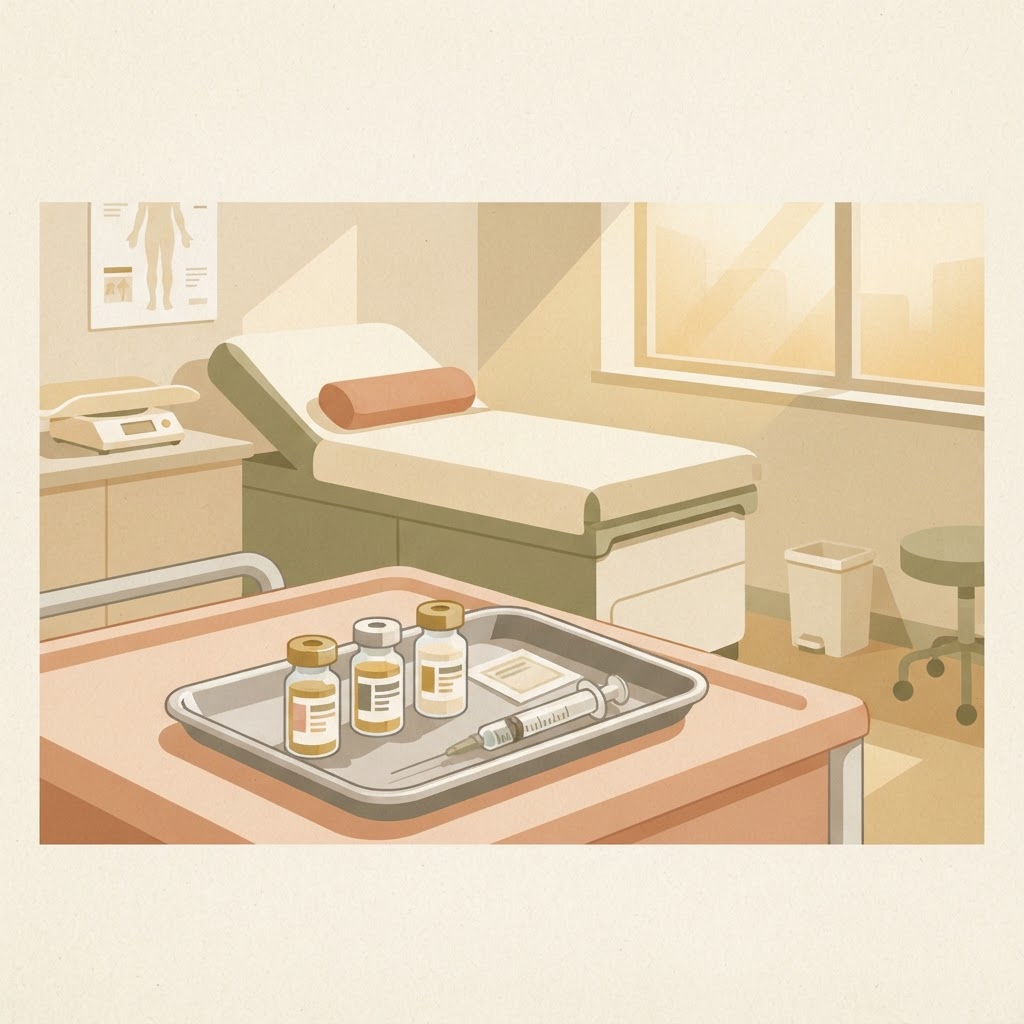
Trump Orders a Smaller-Dose Childhood Vaccine Schedule — Here's What Actually Changed
A White House executive order is reshaping how many diseases U.S. children are routinely vaccinated against, and how their shots are delivered. Pediatric and vaccine experts say the reasoning behind it doesn't hold up — and warn the changes could mean more visits, not safer ones.

Childhood Vaccines: A Parent's Guide
Vaccines are one of the most effective public health tools ever developed. They have eliminated smallpox, nearly eradicated polio, and dramatically reduced childhood deaths from diseases that once claimed millions of lives every year.