
Breast Cancer
Breast cancer is a disease in which cells in the breast grow out of control. It is the most common cancer diagnosed in women in the United States, after skin cancer. While breast cancer can occur in both men and women, it is far more common in women. Early detection through mammography and self-exams significantly improves survival rates.
Symptoms
A lump or thickening in the breast or underarm, change in breast size or shape, dimpling or puckering of the skin, nipple discharge (especially blood), nipple turning inward, redness or scaling of the nipple or breast skin, and persistent breast pain.
Treatments
Surgery (lumpectomy or mastectomy), radiation therapy, chemotherapy, hormone therapy (tamoxifen, aromatase inhibitors), targeted therapy (HER2 inhibitors like trastuzumab), and immunotherapy. Treatment plans depend on cancer stage, hormone receptor status, HER2 status, and individual patient factors.
Risk Factors
Being female, increasing age (especially over 55), inherited gene mutations (BRCA1/BRCA2), family history of breast cancer, early menstruation before 12, late menopause after 55, dense breast tissue, previous radiation exposure, obesity after menopause, alcohol consumption, and never having been pregnant.
Prevalence
Approximately 1 in 8 women in the United States will develop invasive breast cancer over the course of her lifetime. About 310,000 new cases of invasive breast cancer are diagnosed in U.S. women each year, along with approximately 56,000 new cases of non-invasive (in situ) breast cancer.
Related Articles
Breast Cancer: Symptoms, Types, Stages, Causes & Treatment
A comprehensive guide to breast cancer — from early warning signs and types to causes, diagnosis, and the latest treatment options. Brought to you by iHealth Network.

Infant & Newborn Nutrition: A Parent's Complete Guide
The first year of life is the most nutritionally critical window a human being will ever experience. What — and how — you feed your baby shapes their brain, immune system, and long-term health in ways that last a lifetime.
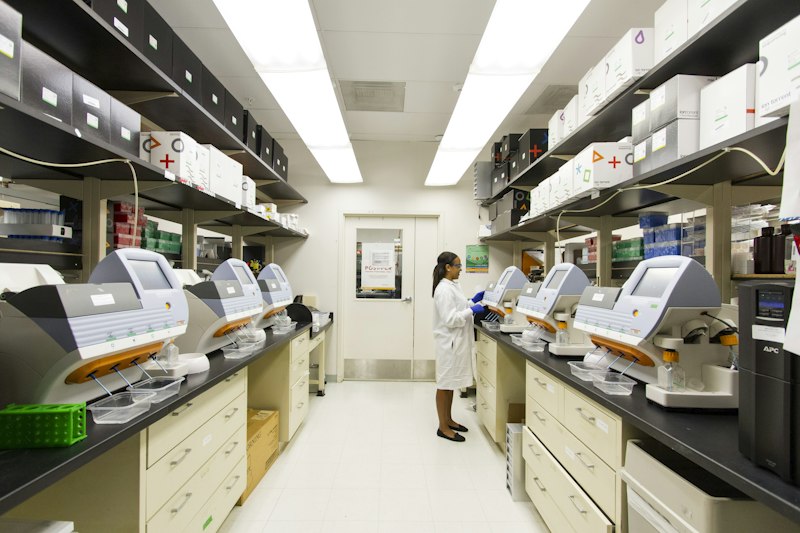
Understanding Cancer
Cancer is not a single disease. It is a family of more than 100 conditions, each with its own biology, behavior, and treatment approach. What they share is this: cells that grow out of control.