
Hepatitis
Hepatitis refers to inflammation of the liver, most commonly caused by one of five viral strains — A, B, C, D, and E — each differing in transmission, severity, and treatability. Despite vaccines that can prevent hepatitis A and B, and curative treatments available for hepatitis C, more than 86,000 acute viral hepatitis infections were estimated to have occurred and nearly 13,000 hepatitis-related deaths were reported in the United States in 2023. Hepatitis A spreads primarily through contaminated food and water and is vaccine-preventable; most cases resolve on their own. An estimated 660,000 adults in the U.S. are living with chronic hepatitis B, which is transmitted through blood, sexual contact, or mother to child, and can lead to cirrhosis and liver cancer if untreated. Hepatitis C — the most consequential strain in the U.S. — affects an estimated 2.2 million adults, with approximately 67,400 new infections occurring in 2022 alone, and more than 12,700 hepatitis C-related deaths that year, despite the availability of highly effective curative therapies. Hepatitis D only occurs in those already infected with hepatitis B, while hepatitis E is rare in the U.S. and primarily affects travelers. Across all types, disparities in diagnosis, access to care, and treatment uptake remain significant barriers to elimination.
Related Articles

Trump Orders a Smaller-Dose Childhood Vaccine Schedule — Here's What Actually Changed
A White House executive order is reshaping how many diseases U.S. children are routinely vaccinated against, and how their shots are delivered. Pediatric and vaccine experts say the reasoning behind it doesn't hold up — and warn the changes could mean more visits, not safer ones.
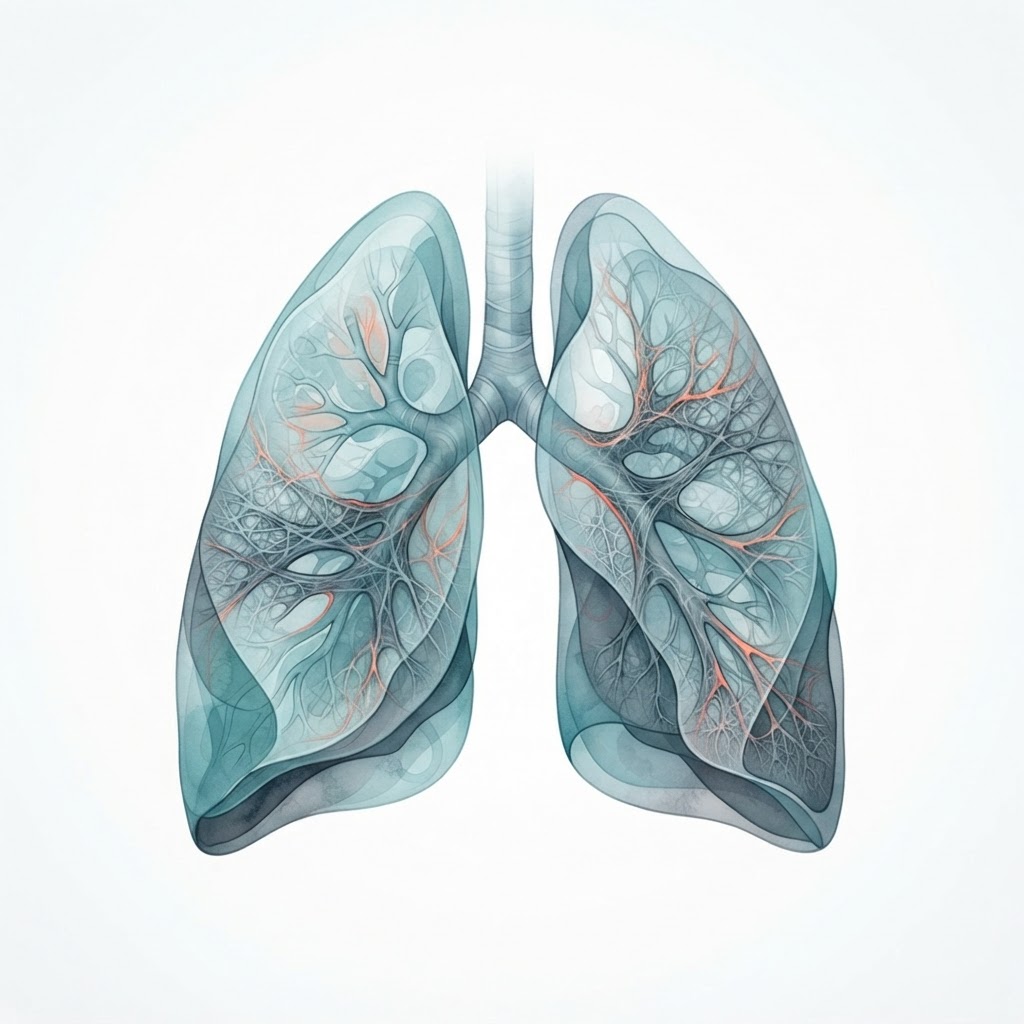
Fibrosis: When Healing Turns to Scarring
Fibrosis is the buildup of thick, stiff scar tissue in an organ. A small amount is a normal part of healing — but when it spreads unchecked, it can stiffen the lungs, liver, heart, or kidneys and quietly steal their ability to work.

Understanding Hepatitis: A Complete Guide to Types A, B, C, D, and E
Hepatitis is not one disease — it's five. Each type is caused by a different virus, transmitted differently, and treated differently. Here's what every American should know.

Childhood Vaccines: A Parent's Guide
Vaccines are one of the most effective public health tools ever developed. They have eliminated smallpox, nearly eradicated polio, and dramatically reduced childhood deaths from diseases that once claimed millions of lives every year.

Understanding Cancer
Cancer is not a single disease. It is a family of more than 100 conditions, each with its own biology, behavior, and treatment approach. What they share is this: cells that grow out of control.