
Epilepsy
Epilepsy is a chronic neurological disorder characterized by recurrent, unprovoked seizures caused by abnormal electrical activity in the brain. It ranks as the fourth most common neurological disorder globally, and approximately 1 in 26 people will develop epilepsy during their lifetime. In the United States, nearly 3 million adults and approximately 456,000 children 17 and younger are living with active epilepsy. The condition can occur at any age but is most common in young children and adults over 60. Causes range from genetic factors and brain injuries to infections and stroke, though in many cases no specific cause is identified. With appropriate treatment, 70% of people with epilepsy can achieve seizure freedom — primarily through antiseizure medications, though some patients may benefit from dietary therapies, neurostimulation devices, or surgery. Despite effective treatment options, significant gaps in access to specialized care remain, particularly in lower-income and rural communities.
Related Articles
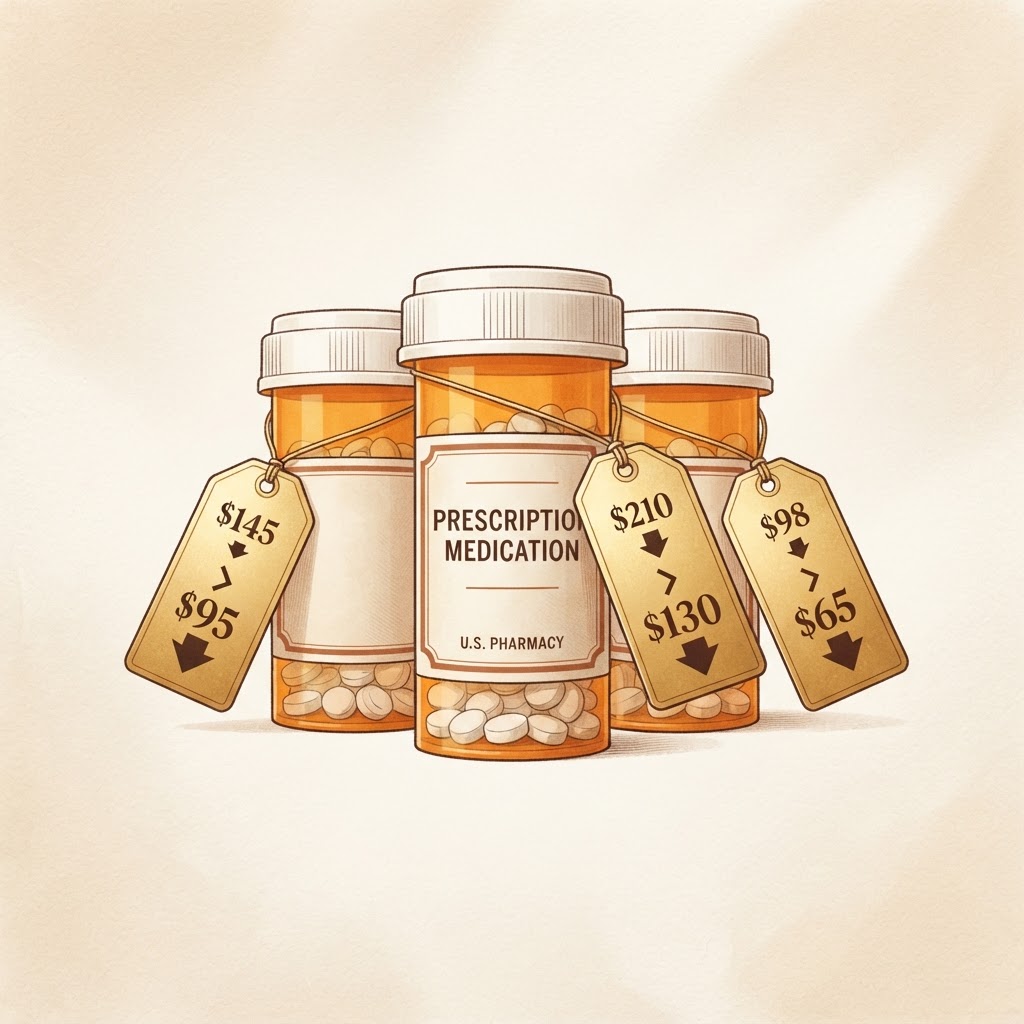
Nine More Drugmakers Just Signed On to Lower U.S. Drug Prices — Here's What It Actually Means for You
Teva, CSL, Astellas, UCB and five other manufacturers have agreed to "most-favored-nation" pricing, bringing the total to 26 companies. The savings are real — but experts say most of them won't show up at your pharmacy counter just yet.
Seizures: A Complete Overview
Seizures affect 3.4 million Americans and 1 in 26 people develop epilepsy in their lifetime. Learn about seizure types, causes, first aid, diagnosis, and treatment — including the 2025 ILAE classification update.
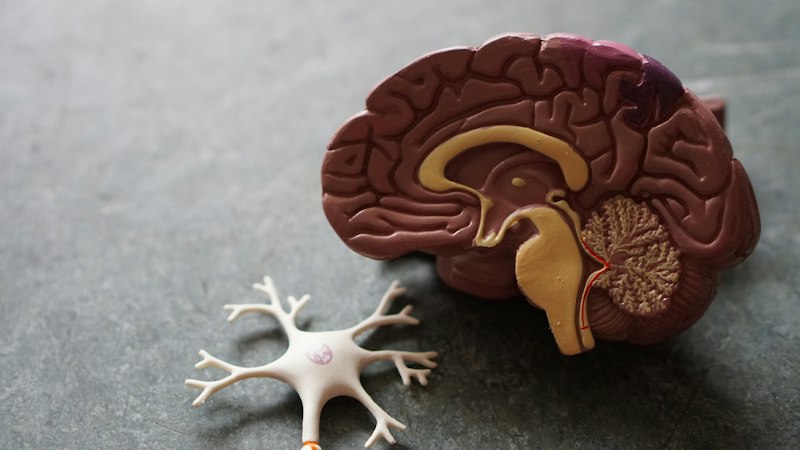
Understanding Epilepsy: What It Is, What Causes It, and What You Need to Know
Epilepsy affects millions of Americans of all ages, yet it remains one of the most misunderstood neurological conditions. Here's what the science actually says.
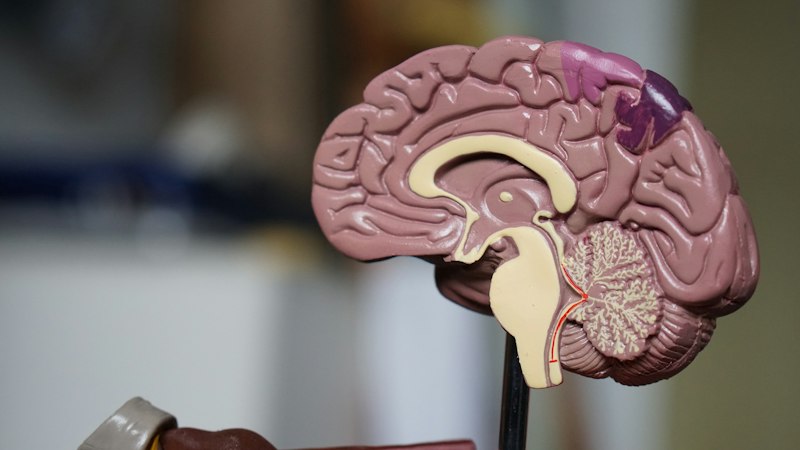
Understanding Autism: A Respectful, Science-Based Guide for Everyone
Autism is not a disease to be cured, a tragedy, or the result of bad parenting. It is a neurological difference — a distinct way of experiencing and interacting with the world — that affects roughly 1 in 36 children in the United States today. This guide covers what autism spectrum disorder actually is, how it's diagnosed, what support looks like across the lifespan, and how families, educators, and healthcare providers can do better.