
Thyroid Diseases
Thyroid disease is an umbrella term covering a spectrum of conditions affecting the thyroid gland — a butterfly-shaped gland in the neck that regulates metabolism, energy, heart rate, and hormone balance. The major categories include hypothyroidism (underactive thyroid), hyperthyroidism (overactive thyroid), autoimmune thyroid disease (Hashimoto’s and Graves’ disease), thyroid nodules, goiter, and thyroid cancer. Collectively, thyroid disorders represent one of the most prevalent endocrine conditions in the United States. The age-standardized prevalence of diagnosed thyroid disease among U.S. adults is approximately 5.05%, with the highest rates observed in non-Hispanic Whites (8.1%), adults 60 and older (15.4%), and women. Autoimmune thyroid disease — in which the immune system attacks the thyroid — is the leading cause of both hypothyroidism and hyperthyroidism in the U.S., and a 2025 NHANES-based study found that a substantial proportion of cases remain undiagnosed at the population level. Thyroid cancer adds a growing malignant dimension: an estimated 44,020 new cases of thyroid cancer were projected for 2025 — the ninth most common cancer among women in the United States — with incidence rising steadily over recent decades. Women are disproportionately affected across all thyroid conditions, and levothyroxine — the primary treatment for hypothyroidism — remains the single most prescribed medication in the country, underscoring the enormous and often underappreciated scale of thyroid disease in America.
Related Articles
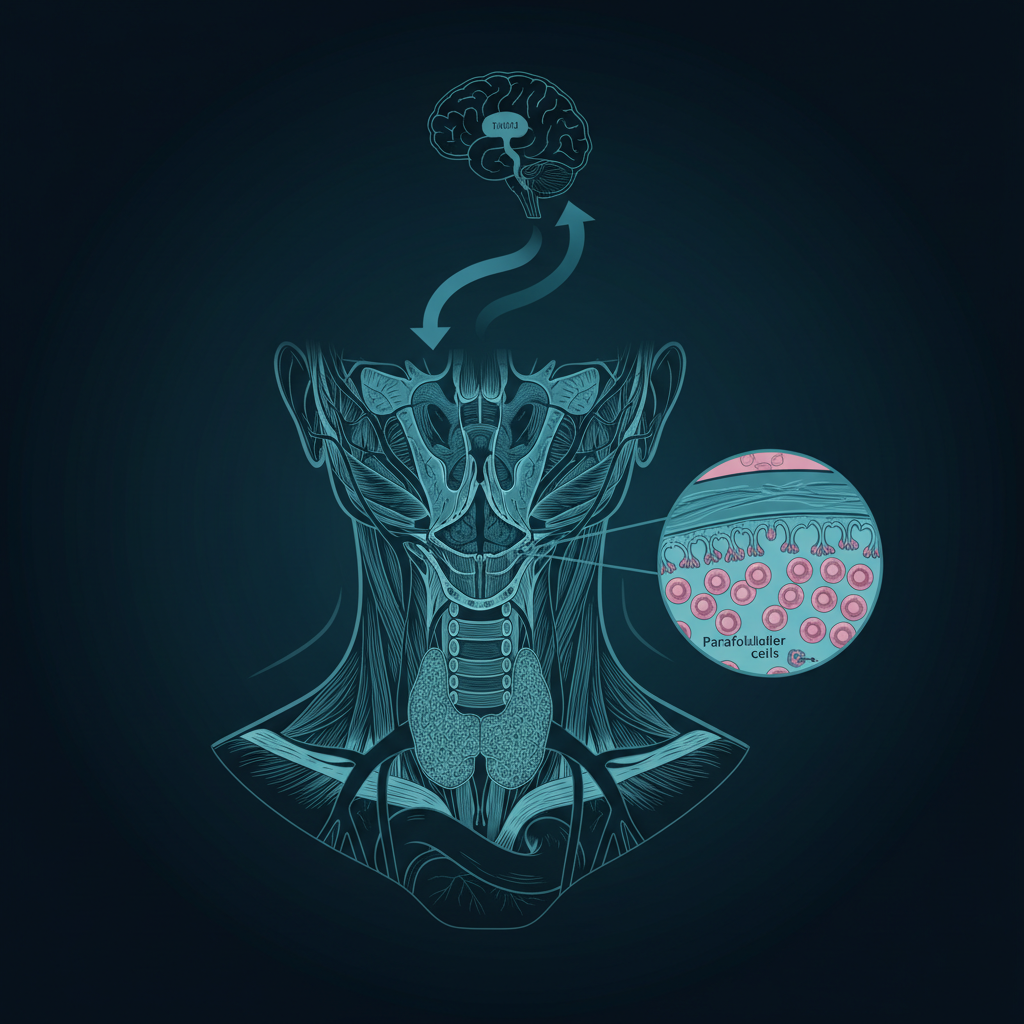
Thyroid Diseases: A Complete Overview
20 million Americans have thyroid disease — and up to 60% don't know it. From the fatigue of hypothyroidism to the anxiety of Graves' disease, thyroid conditions affect nearly every system in the body.

Hypothyroidism: When Your Thyroid Slows Everything Down
An underactive thyroid can make you feel like you're living in slow motion — exhausted, cold, foggy, and gaining weight for no clear reason. It affects millions of Americans who don't know they have it. Here's what you need to know.