
Fistulas
A fistula is an abnormal connection between two parts inside of the body. Fistulas may develop between different organs, such as between the esophagus and the windpipe or the bowel and the vagina. They can also develop between two blood vessels, such as between an artery and a vein or between two arteries. Some people are born with a fistula. Other common causes of fistulas include: Complications from surgery Injury Infection Diseases , such as Crohn 's disease or ulcerative colitis Treatment depends on the cause of the fistula, where it is, and how bad it is. Some fistulas will close on their own. In some cases, you may need antibiotics and/or surgery.
Related Articles
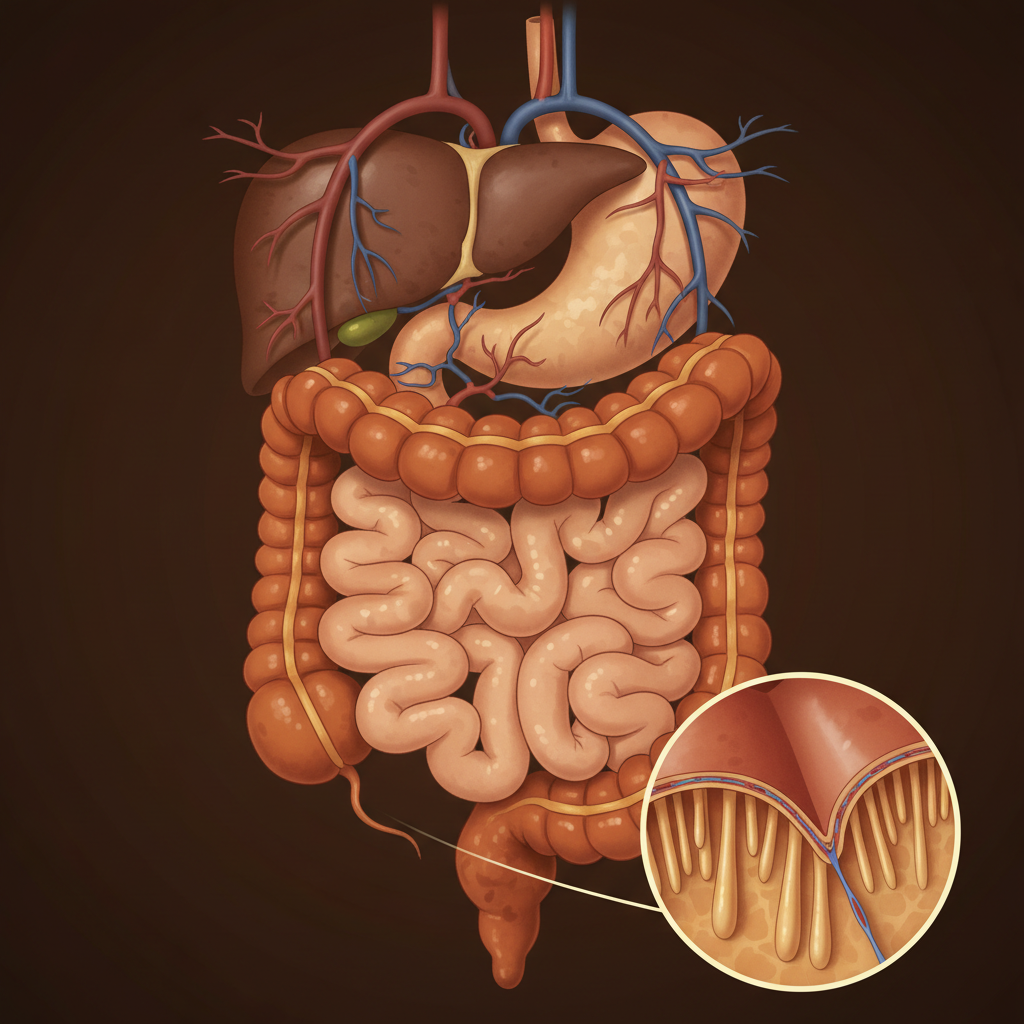
Small Intestine Disorders: A Complete Overview
From Crohn's disease and celiac disease to SIBO, short bowel syndrome, and small bowel cancer — learn about the major disorders affecting the small intestine, their symptoms, and treatments.

Understanding Fistulas: What They Are, Why They Form, and How They're Treated
A fistula is an abnormal connection between two parts of the body that don't belong together. They can be painful, disruptive, and easy to miss — but in most cases, they're treatable.
Understanding Crohn's Disease
Crohn's disease is a chronic inflammatory bowel disease that can affect any part of the gastrointestinal tract — from mouth to rectum. It is unpredictable, deeply personal, and often invisible to others. But with the right care, most people with Crohn's can achieve lasting remission and lead full, active lives.