
Balance Problems
Balance disorders occur when the systems your body uses to stay upright stop working together properly — involving the inner ear, eyes, and musculoskeletal system. They significantly increase fall risk, especially in older adults.
Symptoms
Dizziness or vertigo, feeling faint or lightheaded, unsteady walking or stumbling, blurred or bouncing vision, nausea or vomiting, ringing in the ears (tinnitus), confusion or difficulty concentrating, falling or near-falls.
Treatments
Vestibular rehabilitation therapy (VRT), the Epley maneuver for BPPV, short-term medications for dizziness and nausea, treating underlying conditions (e.g., adjusting blood pressure medications, resolving ear infections), fall-prevention exercises focusing on leg strength and core stability.
Risk Factors
Age over 65, inner ear disorders (BPPV, Menière's disease, labyrinthitis), neurological conditions (Parkinson's, MS, stroke), certain medications (blood pressure drugs, sedatives, some antibiotics), cardiovascular issues, vision decline, muscle weakness, joint pain, and neuropathy.
Prevalence
Millions of Americans experience balance problems each year. Falls — often caused by balance disorders — are the leading cause of injury in adults over 65.
Related Articles

Understanding Balance Problems
Balance is something most of us take for granted — until it fails. Millions of Americans experience balance problems each year, yet many go undiagnosed or dismiss their symptoms as simply "getting older."
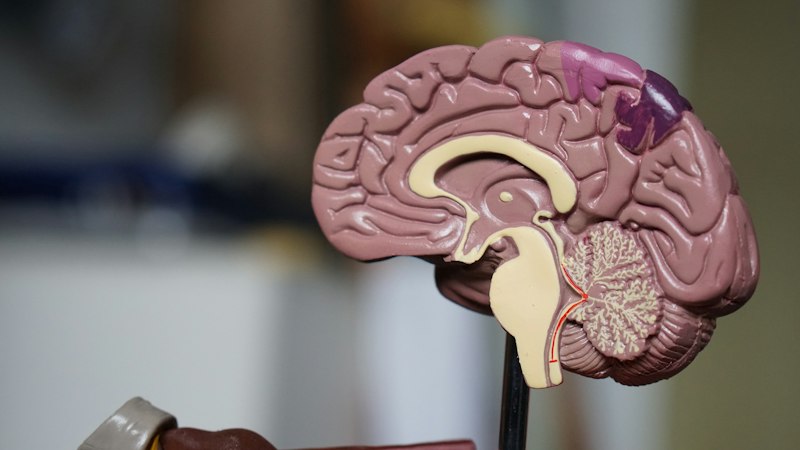
What Is Multiple Sclerosis? A Complete Overview
MS is the most common progressive neurological disease of young adults — affecting nearly 1 million Americans. Learn how it works, who it affects, its four types, symptoms, and the latest treatment options.