
Chronic Kidney Disease
Chronic kidney disease (CKD) is a long-term, largely silent condition in which the kidneys gradually lose their ability to filter waste and excess fluid from the blood. It affects 37 million Americans (1 in 7 adults), 90% of whom are undiagnosed. CKD is defined by kidney damage or reduced eGFR lasting 3+ months and is staged 1–5 by eGFR. It is a leading cause of cardiovascular disease and premature death. Once established, CKD is permanent — but progression can often be significantly slowed with proper management.
Symptoms
Early stages produce few or no symptoms. As CKD progresses: fatigue and weakness, changes in urination frequency or color, swelling in legs/ankles/feet (edema), difficulty concentrating or brain fog, nausea/vomiting/poor appetite, shortness of breath, persistent itching (pruritus), sleep problems and restless legs. Sudden swelling, extreme fatigue, difficulty breathing, or confusion require urgent evaluation.
Treatments
Blood pressure control with ACE inhibitors or ARBs (target <130/80 mmHg). Blood sugar management; SGLT2 inhibitors (e.g. empagliflozin) are kidney-protective independent of glucose effects. Kidney-friendly diet: limit sodium, potassium, phosphorus, and protein. Regular medication review to avoid nephrotoxic drugs. Anemia management with ESAs and iron. Bone/mineral health with phosphate binders and vitamin D. Stage 5 (kidney failure): hemodialysis, peritoneal dialysis, or kidney transplantation — transplant offers best long-term outcomes; planning should begin at Stage 4.
Risk Factors
Diabetes (leading cause — diabetic nephropathy), high blood pressure (second leading cause), polycystic kidney disease (inherited), glomerulonephritis (autoimmune), long-term NSAID/nephrotoxic medication use, obesity, smoking, age over 60, family history of kidney disease. Black, Hispanic, and Native American adults are disproportionately affected.
Prevalence
37 million Americans (1 in 7 adults) have CKD. 90% are undiagnosed. CKD is the 9th leading cause of death in the US and doubles the risk of heart disease. Diabetes and hypertension cause the majority of kidney failure cases. ~800,000 Americans are on dialysis or have received a kidney transplant.
Related Articles
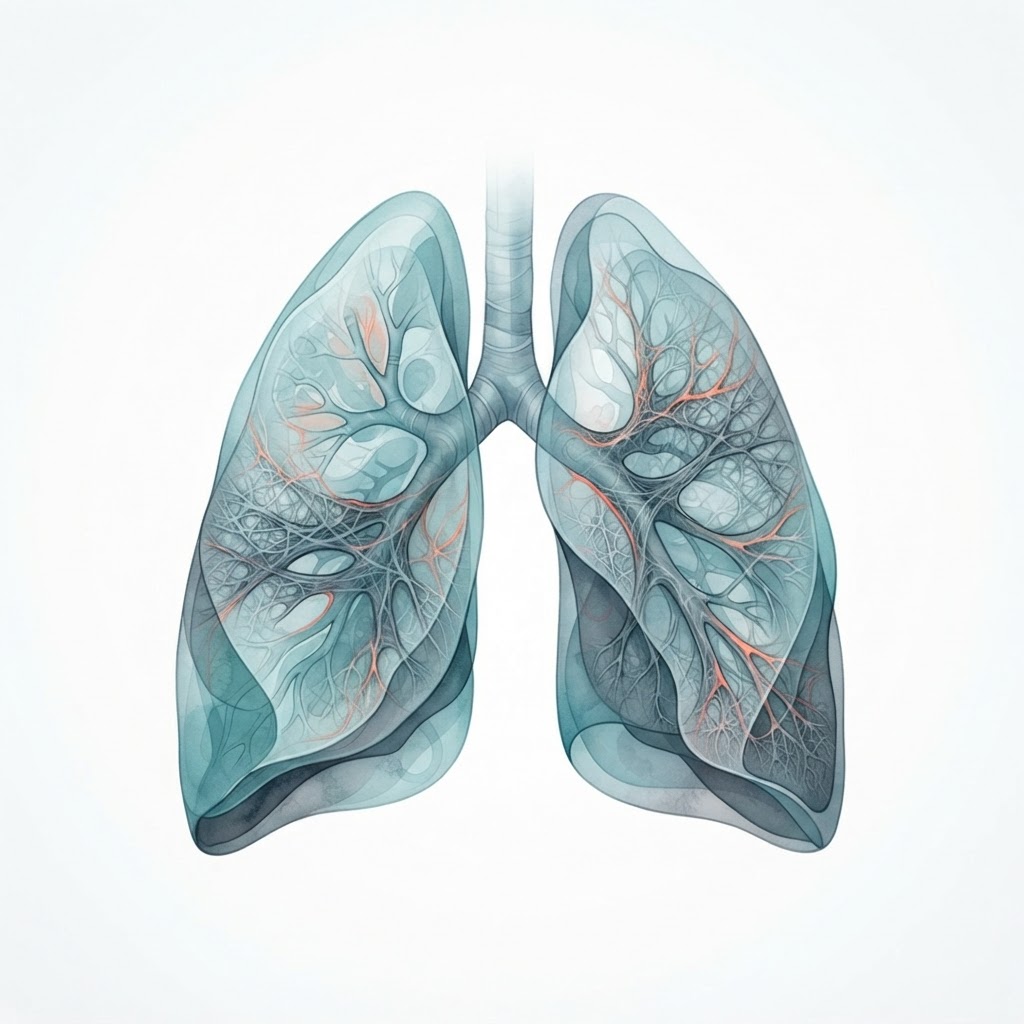
Fibrosis: When Healing Turns to Scarring
Fibrosis is the buildup of thick, stiff scar tissue in an organ. A small amount is a normal part of healing — but when it spreads unchecked, it can stiffen the lungs, liver, heart, or kidneys and quietly steal their ability to work.
High Blood Pressure: Understanding America's Most Common Health Threat
Nearly half of all American adults have high blood pressure — and most have no symptoms. It silently damages your heart, brain, kidneys, and arteries for years before anyone notices. Here's what you need to know.
Kidney Disease: Understanding CKD Before It's Too Late
37 million Americans have chronic kidney disease — and 9 in 10 don't know it. By the time symptoms appear, significant damage is already done. Early detection and the right treatment can change everything.
Kidney Cysts: What They Are, When to Worry, and How They're Treated
Most kidney cysts are harmless and need no treatment. But some signal serious underlying conditions. Knowing the difference — and when to act — is what this guide is for.
Understanding Chronic Kidney Disease
Chronic kidney disease (CKD) affects approximately 37 million Americans — roughly 1 in 7 adults — yet 9 out of 10 people with CKD don't know they have it. It is a slow, largely silent condition that, left unmanaged, can lead to kidney failure, heart disease, and premature death.