
Sickle Cell Disease
Sickle cell disease (SCD) is an inherited blood disorder that affects hemoglobin, the protein in red blood cells that carries oxygen. In SCD, abnormal hemoglobin causes red blood cells to become rigid, sticky, and shaped like a crescent or sickle. These sickled cells can block blood flow, causing pain, organ damage, and other complications. SCD is lifelong and requires ongoing medical care, but advances in treatment have significantly improved life expectancy and quality of life for those affected.
Symptoms
Episodes of severe pain (pain crises) in bones, chest, or joints; chronic anemia causing fatigue and weakness; swelling of hands and feet (dactylitis); frequent infections; delayed growth in children; vision problems; jaundice (yellowing of eyes and skin); acute chest syndrome; stroke; and organ damage over time. Symptoms vary widely in severity and frequency from person to person.
Treatments
Treatment includes hydroxyurea to reduce sickling and pain crises, blood transfusions for severe anemia and complications, bone marrow or stem cell transplants (the only potential cure, available to eligible patients), gene therapy (recently FDA-approved), pain management during crises, antibiotics and vaccinations to prevent infections, and folic acid supplementation. Regular monitoring and comprehensive care from a hematologist are essential.
Risk Factors
Sickle cell disease is inherited in an autosomal recessive pattern. A child must inherit the sickle cell gene from both parents to have the disease. Having the sickle cell trait (one gene) does not cause the disease but can be passed to children. The condition is most common among people of African, Mediterranean, Middle Eastern, South Asian, and Hispanic/Latino descent. Family history is the primary risk factor.
Prevalence
Sickle cell disease affects approximately 100,000 people in the United States and millions worldwide. About 1 in 365 Black or African American babies are born with SCD, and about 1 in 13 are born with the sickle cell trait. Globally, an estimated 300,000 babies are born with SCD each year, with the highest prevalence in sub-Saharan Africa.
Related Articles
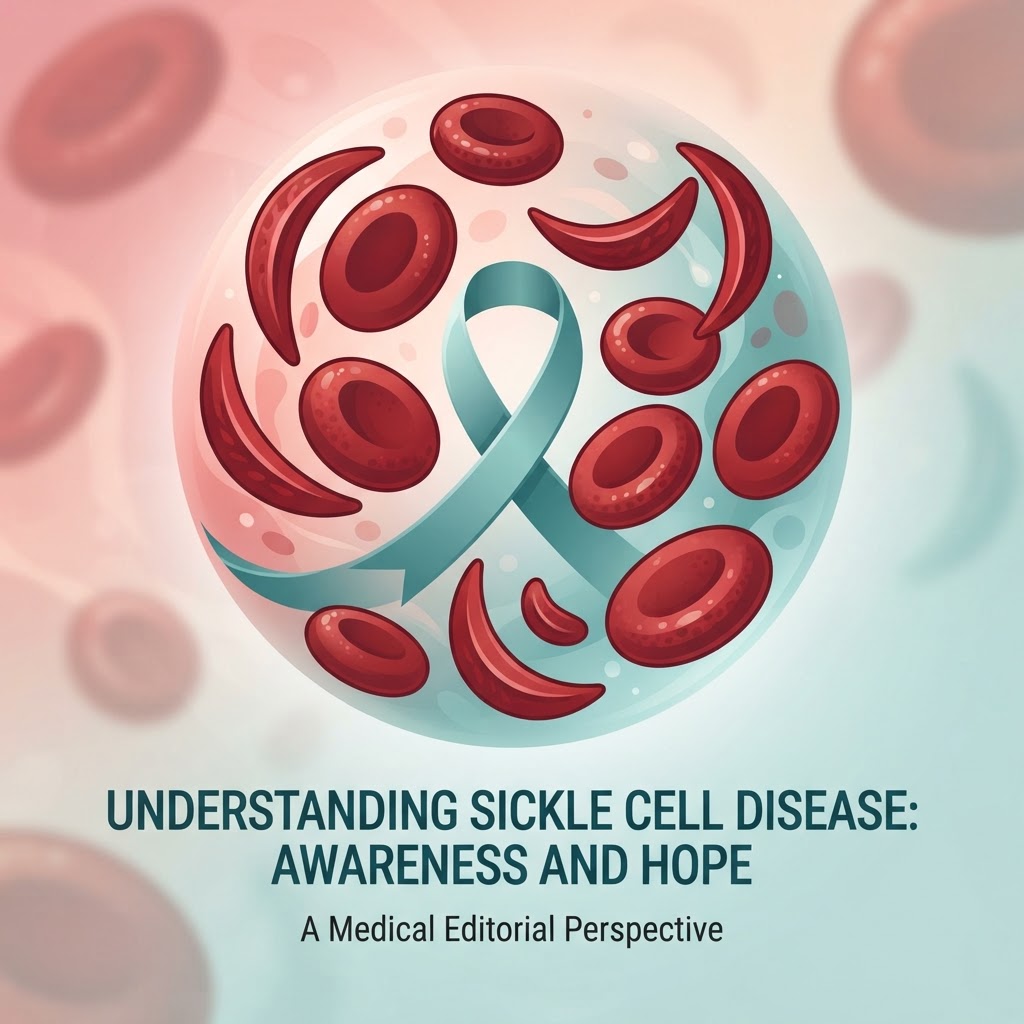
Sickle Cell Disease: An Inherited Change in the Blood
Sickle cell disease is a genetic blood disorder that reshapes red blood cells into stiff crescents that block blood flow and break down too soon. It's a lifelong condition — but care has advanced dramatically, and the first curative therapies are now a reality.

Pulmonary Hypertension: A Complete Overview
Elevated pressure in the lung arteries strains the right heart — and left untreated, leads to right heart failure and death. A new era of targeted treatment is transforming outcomes for one of cardiology's most complex conditions.