
Sarcoidosis
Sarcoidosis is an inflammatory disease characterized by the formation of granulomas — clusters of immune cells — in various organs throughout the body. Most commonly, it affects the lungs and lymph nodes, but it can involve the skin, eyes, heart, liver, and nervous system. The cause is not fully understood, but it is thought to result from an overactive immune response to an unknown trigger in genetically susceptible individuals. Many cases resolve on their own, while others require treatment to prevent organ damage.
Symptoms
Persistent dry cough, shortness of breath, chest pain, wheezing; swollen or tender lymph nodes; fatigue, fever, and weight loss; skin rashes or lesions (including erythema nodosum and lupus pernio); red or watery eyes, blurred vision, and eye pain; joint pain and stiffness; irregular heartbeats or palpitations. Symptoms vary greatly depending on which organs are affected, and some people have no symptoms at all, with the condition discovered incidentally on imaging.
Treatments
Treatment depends on the organs involved and severity. Mild cases may require no treatment and resolve spontaneously. Corticosteroids (such as prednisone) are the first-line treatment for symptomatic disease. Immunosuppressive medications (methotrexate, azathioprine, mycophenolate) may be used when steroids are ineffective or as steroid-sparing agents. Newer biologic therapies (such as TNF inhibitors) are used for refractory cases. Regular monitoring of affected organs, especially lungs, eyes, and heart, is essential.
Risk Factors
The exact cause is unknown, but several factors increase risk. Age (most commonly diagnosed between 20 and 60). Race and ethnicity — Black or African American individuals are more likely to develop sarcoidosis and tend to have more severe disease. Family history and genetic factors. Exposure to certain environmental triggers such as mold, dust, pesticides, and other occupational agents. Female sex is slightly associated with higher rates.
Prevalence
Sarcoidosis affects an estimated 150,000 to 200,000 people in the United States and roughly 1–2 million people worldwide. In the U.S., incidence is significantly higher among Black or African American individuals, who are approximately 3 times more likely to develop the disease than white individuals.
Related Articles
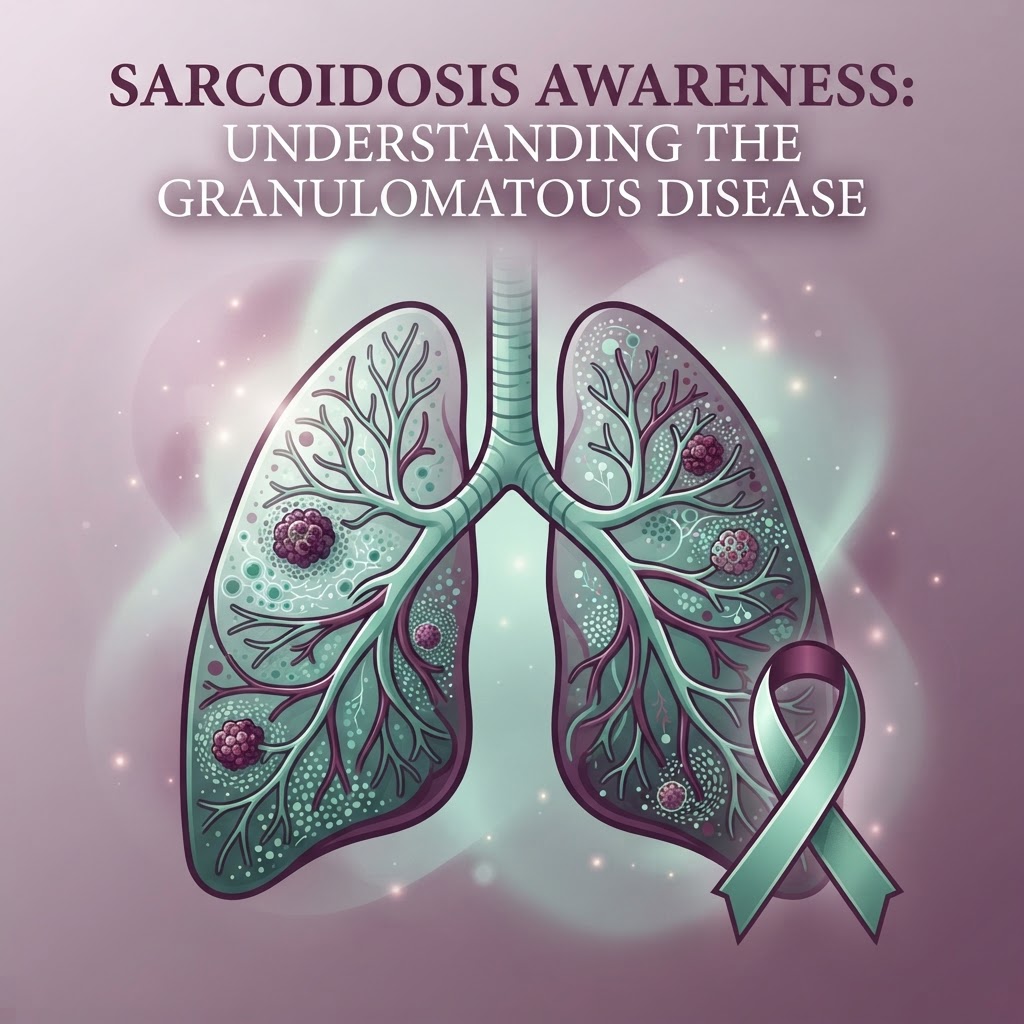
Sarcoidosis: When Inflammation Builds Tiny Clumps in the Body
Sarcoidosis is a disease in which the immune system forms small clusters of inflammatory cells — called granulomas — in one or more organs, most often the lungs. Its course is unpredictable: it can quietly fade on its own or become a long-term condition.

Optic Nerve Disorders: A Complete Overview
The optic nerve is the critical link between your eyes and your brain — and damage to it can mean permanent vision loss. From glaucoma to optic neuritis, ischemic neuropathy, and rare genetic disorders, here's what you need to know.

Pulmonary Hypertension: A Complete Overview
Elevated pressure in the lung arteries strains the right heart — and left untreated, leads to right heart failure and death. A new era of targeted treatment is transforming outcomes for one of cardiology's most complex conditions.