
Hyperthyroidism
Hyperthyroidism is a condition in which the thyroid gland produces excess thyroid hormone, accelerating the body's metabolism and affecting the heart, bones, muscles, and nervous system. The prevalence of hyperthyroidism in the United States is approximately 1.2%, with overt hyperthyroidism accounting for 0.5% and subclinical hyperthyroidism — where lab values are abnormal but symptoms may be absent — accounting for 0.7%. Hyperthyroidism is significantly more prevalent in women than men (2% vs. 0.2%), and NHANES data show that thyrotoxicosis is nearly three times more common in non-Hispanic Black individuals than in White individuals. The most common cause is Graves' disease, an autoimmune condition in which the immune system overstimulates the thyroid; other causes include toxic multinodular goiter and thyroid adenomas. Symptoms can include rapid heartbeat, unintended weight loss, anxiety, tremors, and heat sensitivity. Onset most commonly occurs between ages 20 and 50, though the condition is more prevalent overall in adults over 60. Treatment options include antithyroid medications, radioactive iodine therapy, and surgery, with the goal of restoring normal hormone levels and preventing cardiovascular and bone-related complications.
Related Articles
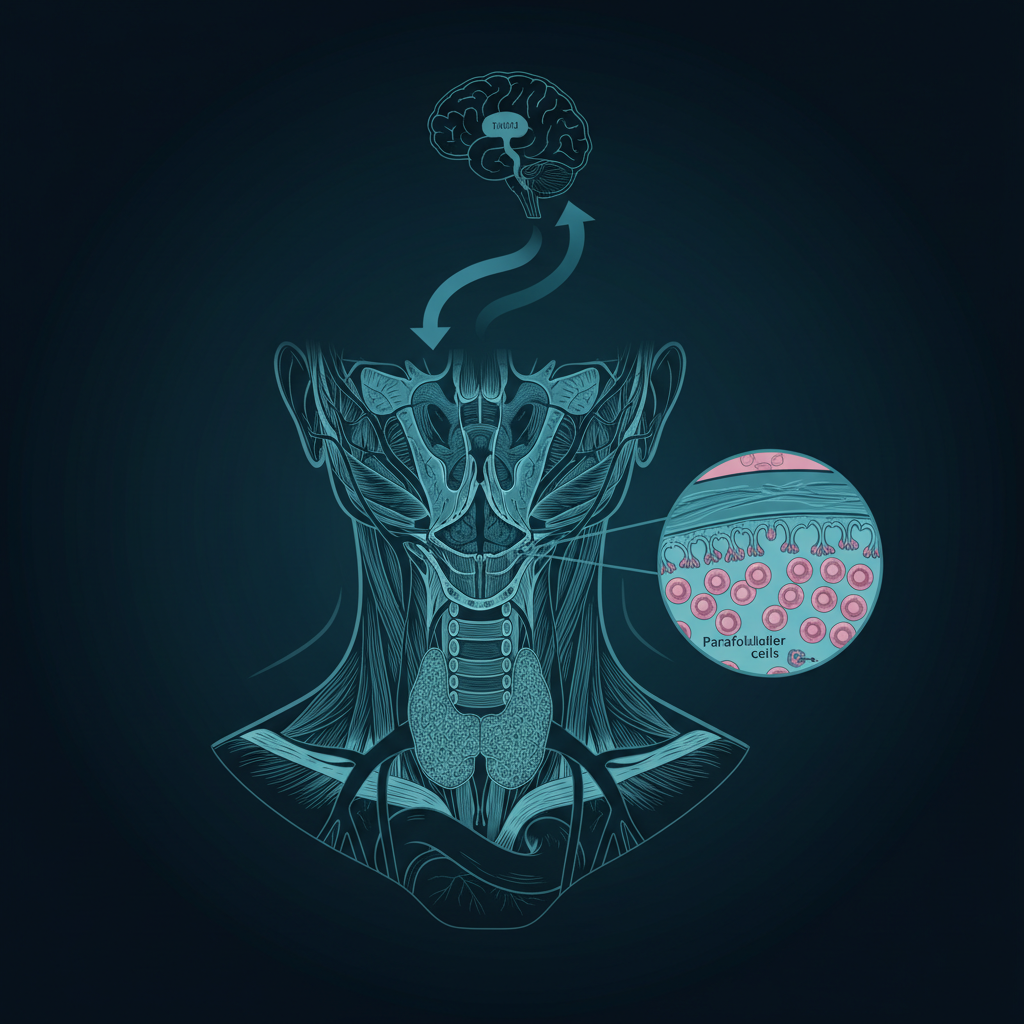
Thyroid Diseases: A Complete Overview
20 million Americans have thyroid disease — and up to 60% don't know it. From the fatigue of hypothyroidism to the anxiety of Graves' disease, thyroid conditions affect nearly every system in the body.
Hyperthyroidism: When Your Thyroid Goes Into Overdrive
Your thyroid is a small gland with an enormous influence on how your entire body functions. When it produces too much hormone, everything speeds up — and the effects can ripple through your heart, bones, muscles, mood, and more.

Hypothyroidism: When Your Thyroid Slows Everything Down
An underactive thyroid can make you feel like you're living in slow motion — exhausted, cold, foggy, and gaining weight for no clear reason. It affects millions of Americans who don't know they have it. Here's what you need to know.