
Meniere's Disease
Ménière's disease is a chronic disorder of the inner ear caused by abnormal fluid buildup in the labyrinth, producing unpredictable episodes of intense vertigo, fluctuating hearing loss, tinnitus (ringing in the ears), and a feeling of fullness or pressure in the affected ear. Over time, episodes can lead to permanent hearing loss and significant disruption to daily functioning. An estimated 600,000 to 750,000 people in the United States are living with Ménière's disease, with 45,000 to 60,000 new cases diagnosed each year. The peak incidence occurs between ages 40 and 60, with prevalence increasing with age and a notable female predominance. The exact cause remains unknown, though factors such as abnormal immune response, viral infection, genetics, and circulatory issues are believed to play a role. Diagnosis can be challenging due to symptom overlap with other vestibular and neurological conditions. There is no cure, but treatment — including dietary changes (particularly sodium restriction), diuretics, vestibular rehabilitation, and in severe cases injections or surgery — can help reduce the frequency and intensity of episodes and preserve quality of life.
Related Articles
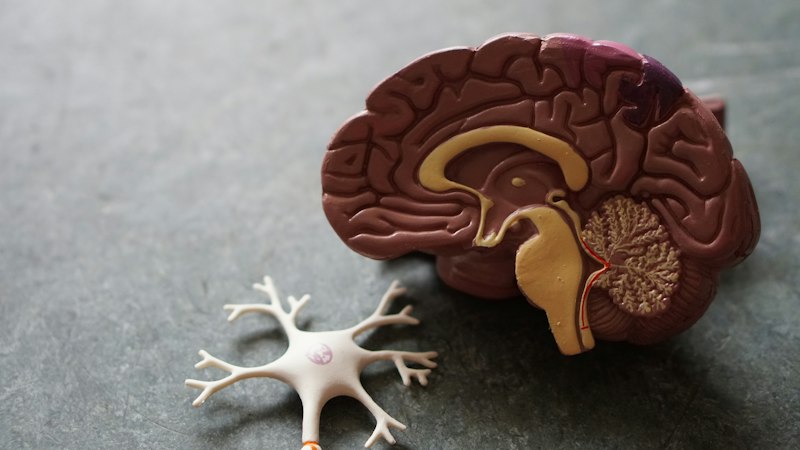
Vertigo: Why the Room Spins and What to Do About It
Vertigo isn't just dizziness — it's a disorienting sensation that the world is spinning around you. Here's what causes it, how it's diagnosed, and how most cases can be effectively treated.

Understanding Balance Problems
Balance is something most of us take for granted — until it fails. Millions of Americans experience balance problems each year, yet many go undiagnosed or dismiss their symptoms as simply "getting older."
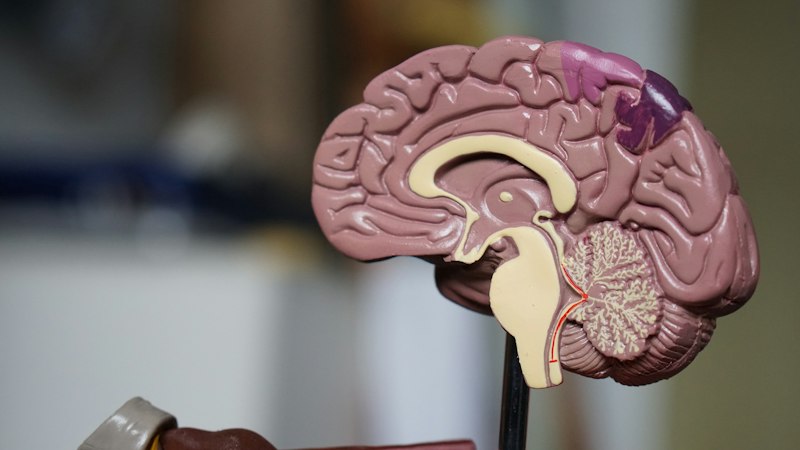
What Is Ménière's Disease? A Complete Overview
A chronic inner ear disorder that strikes without warning — causing spinning vertigo, hearing loss, and relentless ringing. 615,000 Americans live with Ménière's disease, with 45,500 new cases diagnosed each year.