
Back Pain
Back pain is a broad category of musculoskeletal conditions affecting the spine and surrounding structures. It is the single leading cause of disability worldwide, affecting roughly 80% of adults at some point in their lives. Back pain ranges from acute (sudden, short-term) to chronic (lasting more than 12 weeks) and can involve the muscles, ligaments, discs, nerves, or vertebrae. The vast majority of cases are non-specific — meaning no single structural cause can be identified — and most resolve with conservative care. Back pain is both overtreated (unnecessary surgery, opioids, imaging) and undertreated (insufficient physical therapy and active rehabilitation).
Symptoms
Symptoms vary by type and cause: • Acute back pain — Sudden onset muscle ache, stiffness, or sharp pain, typically in the lower back. Often follows a strain, sprain, or sudden movement. • Chronic back pain — Persistent aching or stiffness lasting beyond 12 weeks; may involve psychological components including anxiety and fear-avoidance. • Radicular pain (sciatica) — Pain, tingling, numbness, or weakness radiating from the lower back down through the buttock and leg, following the sciatic nerve path. • Spinal stenosis — Cramping, weakness, or pain in the legs when walking; relieved by leaning forward or sitting. • Herniated disc — Localized back pain with possible nerve pain radiating into a limb; may include numbness or weakness. RED FLAG SYMPTOMS requiring urgent evaluation: • Loss of bladder or bowel control • Numbness in the groin or inner thighs (saddle anesthesia) • Fever with back pain and unexplained weight loss • Pain following significant trauma • Severe, constant pain worse at night unrelieved by rest
Treatments
Conservative (first-line — effective for 90% of cases): • Stay active — movement is medicine; bed rest worsens outcomes • Physical therapy — targeted exercise and movement retraining; consistently outperforms medication for chronic back pain • Pain neuroscience education — understanding the pain system reduces fear-avoidance and disability • Manual therapy — spinal manipulation, massage, dry needling for short-term relief; best combined with active rehab • NSAIDs (ibuprofen, naproxen) — first-line pharmacological option for short-term use • Muscle relaxants — useful for acute spasm; not for long-term use • CBT (Cognitive Behavioral Therapy) — strong evidence for chronic back pain with psychological components Interventional: • Epidural steroid injections — temporary relief for radicular pain; not curative • Nerve blocks — diagnostic and therapeutic Surgical (narrow indications only): • Cauda equina syndrome — surgical emergency • Severe or progressive neurological deficits • Structural problems (e.g., severe stenosis, spondylolisthesis) unresponsive to 6+ weeks conservative care • Note: For most chronic low back pain, surgical outcomes equal non-surgical at 2 years NOT recommended for routine back pain: • Opioids (high risk, poor long-term evidence) • Routine MRI without red flags • Prolonged bed rest
Risk Factors
• Sedentary lifestyle and prolonged sitting • Poor sleep quality • Psychological distress, anxiety, depression • Physically demanding work (heavy lifting, repetitive motion, vibration) • Obesity — each extra pound adds ~4 lbs of spinal joint pressure • Smoking — impairs blood flow to discs, accelerating degeneration • Prior episode of back pain (strongest predictor of recurrence) • Age — disc degeneration increases with age (though it's often asymptomatic) • Fear-avoidance behavior — avoiding movement out of fear perpetuates chronification • Poor posture and muscle deconditioning
Prevalence
Back pain affects approximately 80% of adults at some point in their lifetime and is the #1 cause of disability globally. In the U.S., it accounts for over $100 billion annually in healthcare costs and lost productivity. Low back pain is the most common form. Chronic back pain affects approximately 20% of those with acute episodes. It is the leading reason for missed workdays and one of the most common reasons for physician visits worldwide.
Related Articles
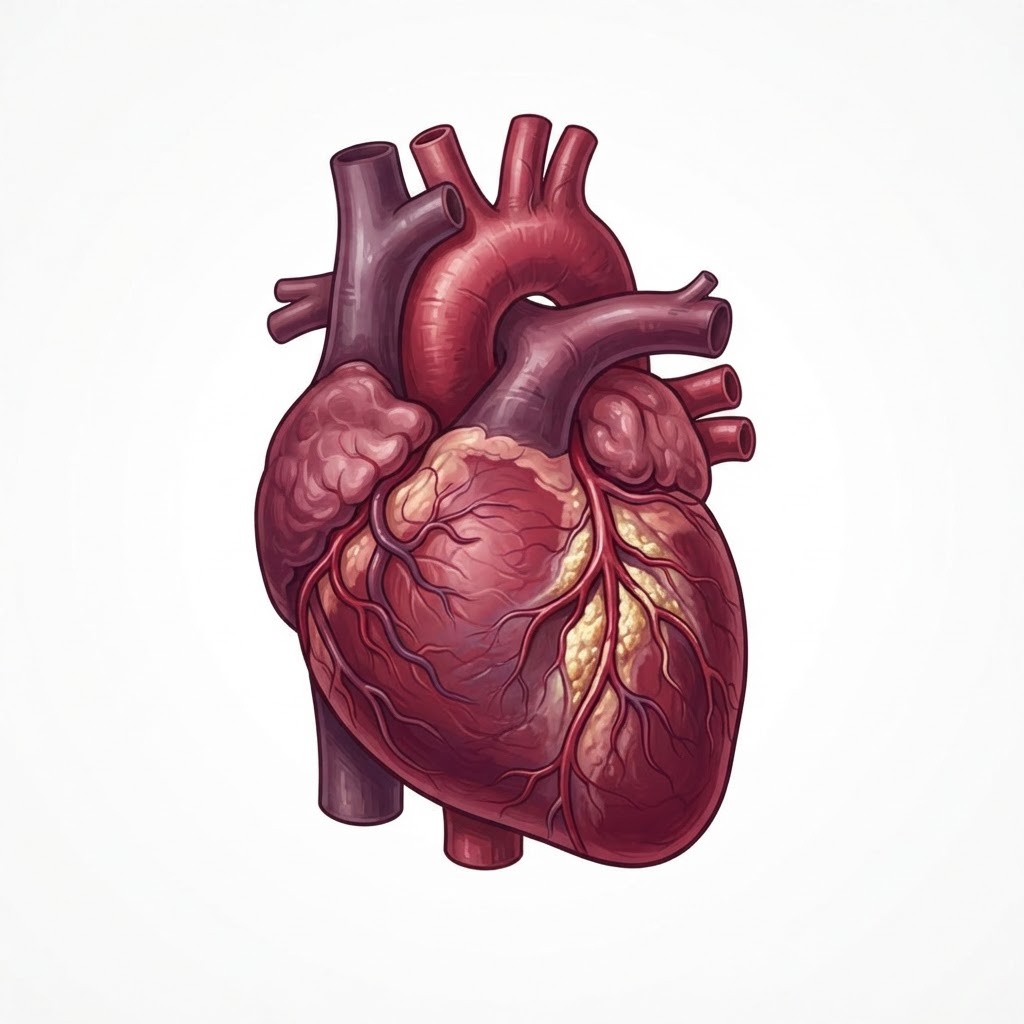
Heart Disease: The World's Leading Cause of Death
"Heart disease" covers a family of conditions that affect how the heart and blood vessels work — from clogged arteries to irregular rhythms and weakened pumping. The good news: much of it is preventable, and today's treatments help millions live full lives.

Non-Drug Pain Management: A Complete Guide
With 60 million Americans living with chronic pain and opioid risks well-documented, non-drug approaches have never been more important — or more evidence-backed. Here's what actually works.

Psoriatic Arthritis: A Complete Overview
Psoriatic arthritis affects up to 30% of people with psoriasis and can cause permanent joint damage if untreated. With more targeted biologics than ever before, early diagnosis and treatment have never been more important.

The Back Pain Guide: Understanding, Treating & Preventing It for Good
Back pain is the world's leading cause of disability — yet most cases are highly treatable and preventable. Roughly 80% of people will experience significant back pain at some point. This guide cuts through the noise to give you a clear, evidence-based picture of what works and what doesn't.