
Fibrosis
Fibrosis is a condition characterized by the thickening and scarring of connective tissue, most commonly affecting the lungs (pulmonary fibrosis) but can also occur in other organs such as the liver, heart, and skin. Over time, the scarred tissue replaces healthy tissue, impairing normal organ function.
Symptoms
Shortness of breath (especially during exertion), chronic dry cough, fatigue and weakness, unexplained weight loss, aching muscles and joints, clubbing (widening and rounding) of fingertips or toes, and in advanced cases, respiratory failure.
Treatments
Treatment depends on the affected organ and underlying cause. For pulmonary fibrosis, options include antifibrotic medications (pirfenidone, nintedanib), corticosteroids and immunosuppressants, oxygen therapy, pulmonary rehabilitation, and in severe cases lung transplantation. Lifestyle changes such as smoking cessation are also important.
Risk Factors
Long-term exposure to occupational/environmental hazards (silica, asbestos, coal dust), autoimmune diseases (rheumatoid arthritis, scleroderma), certain medications (chemotherapy drugs, antibiotics), radiation therapy, smoking, gastroesophageal reflux disease (GERD), and genetic predisposition.
Prevalence
Pulmonary fibrosis affects approximately 5 million people worldwide. In the United States, about 200,000 cases are diagnosed annually. Idiopathic pulmonary fibrosis (IPF), the most common form, affects roughly 1 in 200 adults over age 70.
Related Articles
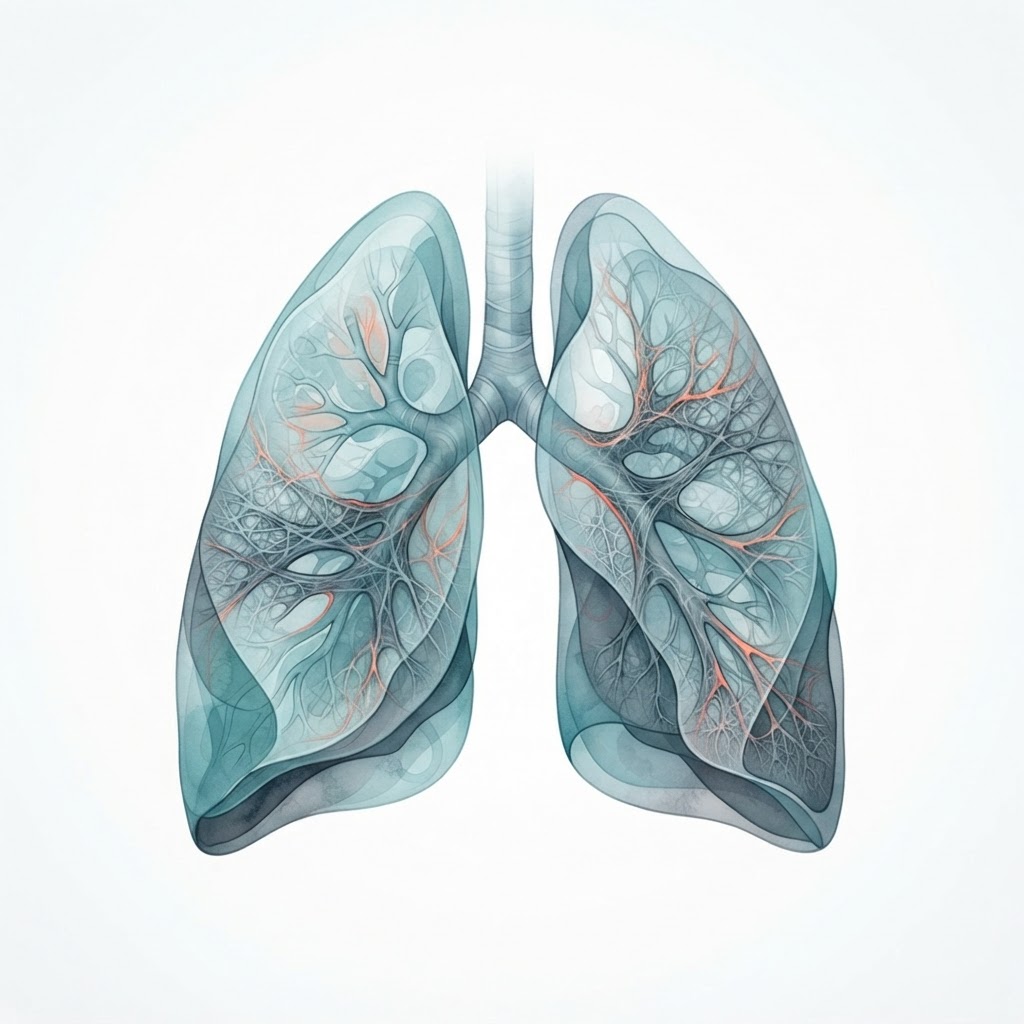
Fibrosis: When Healing Turns to Scarring
Fibrosis is the buildup of thick, stiff scar tissue in an organ. A small amount is a normal part of healing — but when it spreads unchecked, it can stiffen the lungs, liver, heart, or kidneys and quietly steal their ability to work.
Mycobacterial Infections: A Complete Overview
The Mycobacterium family includes some of history's most notorious pathogens — and some of its most overlooked. From tuberculosis to leprosy to emerging nontuberculous infections, here's what you need to know.
Kidney Disease: Understanding CKD Before It's Too Late
37 million Americans have chronic kidney disease — and 9 in 10 don't know it. By the time symptoms appear, significant damage is already done. Early detection and the right treatment can change everything.