
Heart Disease
Heart disease refers to a range of conditions that affect the heart, including coronary artery disease, arrhythmias, congenital heart defects, and diseases of the heart muscle and valves. It is the leading cause of death globally, encompassing conditions that narrow or block blood vessels, disrupt electrical signaling, or impair the heart's ability to pump effectively.
Symptoms
Chest pain or discomfort (angina), shortness of breath, palpitations or irregular heartbeat, dizziness or lightheadedness, fatigue, swelling in the legs, ankles, or feet, pain or numbness in the arms or shoulders, and in severe cases, heart attack symptoms such as pressure or squeezing in the chest, cold sweat, and nausea.
Treatments
Treatment depends on the specific type and severity. Options include lifestyle changes (heart-healthy diet, regular exercise, smoking cessation, weight management), medications (statins, beta-blockers, ACE inhibitors, blood thinners, antiarrhythmics), medical procedures (angioplasty and stenting, coronary artery bypass grafting, valve repair or replacement), implantable devices (pacemakers, ICDs), and in advanced cases, heart transplantation.
Risk Factors
High blood pressure, high cholesterol, diabetes, smoking, obesity, physical inactivity, unhealthy diet, excessive alcohol use, family history of heart disease, advancing age, chronic stress, and conditions such as sleep apnea and chronic kidney disease.
Prevalence
Heart disease is the leading cause of death worldwide, responsible for approximately 17.9 million deaths annually. In the United States, about 697,000 people died from heart disease in 2022 — roughly 1 in every 5 deaths. Coronary artery disease is the most common type, affecting over 20 million U.S. adults.
Related Articles
Eli Lilly Pledges to Bring GLP-1s to Lower-Income Countries
The new Lilly Change the Course Commitment aims to treat as many people with diabetes and obesity in low- and middle-income countries as in wealthy ones by 2040.
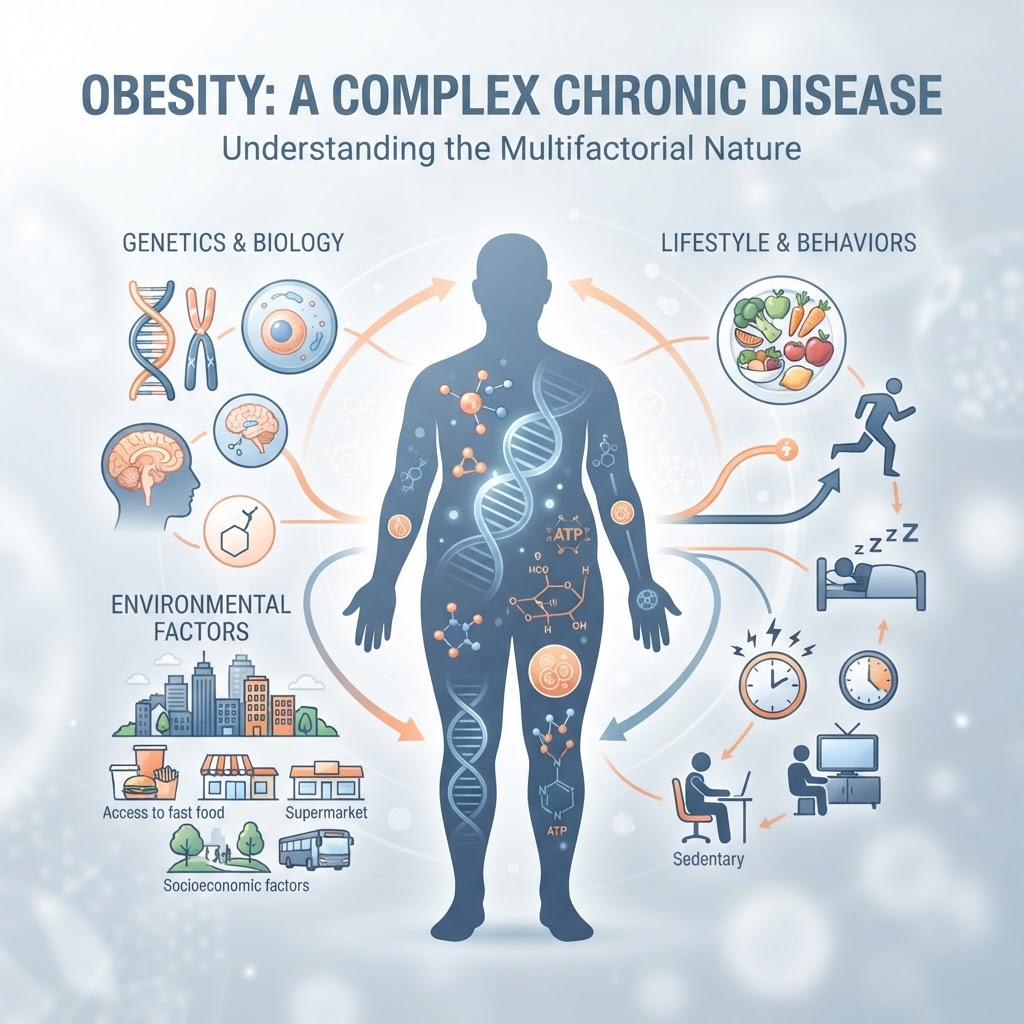
Obesity: Understanding a Complex Chronic Disease
Obesity is a chronic medical condition marked by excess body fat that can affect health. Modern medicine recognizes it as a disease shaped by genetics, biology, and environment — not a simple matter of willpower — and there are now more effective, compassionate ways to treat it than ever before.
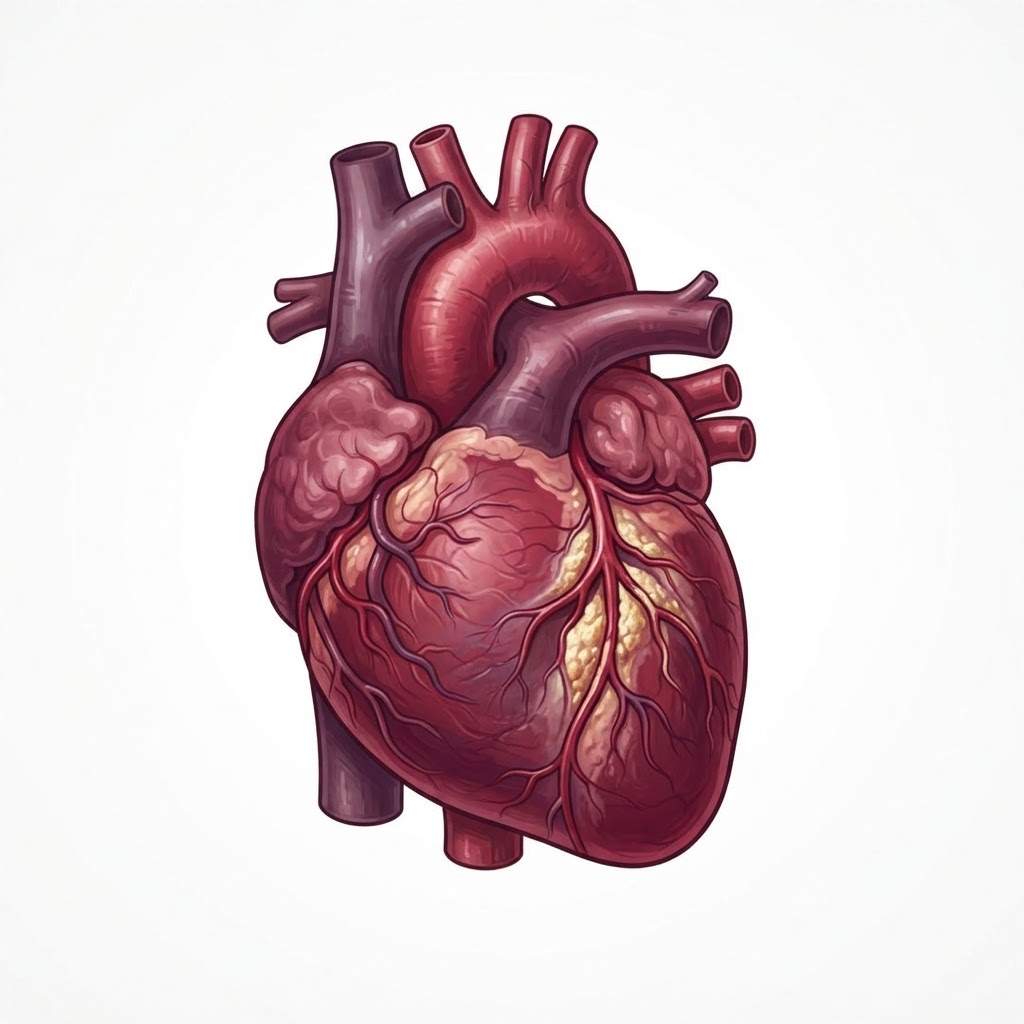
Heart Disease: The World's Leading Cause of Death
"Heart disease" covers a family of conditions that affect how the heart and blood vessels work — from clogged arteries to irregular rhythms and weakened pumping. The good news: much of it is preventable, and today's treatments help millions live full lives.

Pneumonia: A Complete Overview
Pneumonia is one of the leading infectious causes of death in the United States — and one of the most preventable. From bacterial to viral to fungal, here's what everyone should know about this serious lung infection.

Pulmonary Hypertension: A Complete Overview
Elevated pressure in the lung arteries strains the right heart — and left untreated, leads to right heart failure and death. A new era of targeted treatment is transforming outcomes for one of cardiology's most complex conditions.

Kidney Disease: Understanding CKD Before It's Too Late
37 million Americans have chronic kidney disease — and 9 in 10 don't know it. By the time symptoms appear, significant damage is already done. Early detection and the right treatment can change everything.
Understanding Chronic Kidney Disease
Chronic kidney disease (CKD) affects approximately 37 million Americans — roughly 1 in 7 adults — yet 9 out of 10 people with CKD don't know they have it. It is a slow, largely silent condition that, left unmanaged, can lead to kidney failure, heart disease, and premature death.

The Fight Over Who Pays for Your Healthcare
Republicans and Democrats are proposing fundamentally different visions for how Americans access and pay for health insurance. Here's what's actually on the table — and what it means for you.
Breakthrough Gene Therapy Shows Promise for Heart Disease
Researchers at Johns Hopkins have developed a novel gene therapy approach that could reverse heart damage in patients with advanced heart failure.