Iron Deficiency Anemia
Iron deficiency anemia is a common type of anemia — a condition in which the blood lacks adequate healthy red blood cells to carry sufficient oxygen to the body's tissues. It occurs when the body doesn't have enough iron to produce hemoglobin, the protein in red blood cells responsible for transporting oxygen. Iron deficiency can result from inadequate dietary intake, poor absorption, blood loss, or increased demand during pregnancy and growth.
Symptoms
Fatigue and weakness, pale skin, shortness of breath, dizziness or lightheadedness, cold hands and feet, headaches, brittle nails, hair loss, cravings for non-food substances (pica), poor appetite, and restless leg syndrome. In severe cases, chest pain or a rapid or irregular heartbeat may occur.
Treatments
Treatment depends on the underlying cause. Options include dietary changes to increase iron-rich foods (red meat, leafy greens, beans, fortified cereals), oral iron supplements (ferrous sulfate, ferrous gluconate), intravenous (IV) iron therapy for those who can't absorb oral iron or need rapid replenishment, and treating the root cause — such as stopping bleeding, addressing malabsorption conditions (e.g., celiac disease), or managing heavy menstrual periods.
Risk Factors
Women of childbearing age (due to menstruation and pregnancy), infants and young children with rapid growth, strict vegetarians and vegans, frequent blood donors, people with conditions causing chronic blood loss (ulcers, polyps, GI cancers), malabsorption disorders (celiac disease, Crohn's disease, gastric bypass surgery), and endurance athletes.
Prevalence
Iron deficiency anemia affects approximately 1.2 billion people worldwide, making it the most common nutritional deficiency globally. It is especially prevalent in developing countries, affecting up to 50% of pregnant women and 40% of children. In the United States, it impacts about 5 million people, most commonly women of reproductive age and young children.
Related Articles
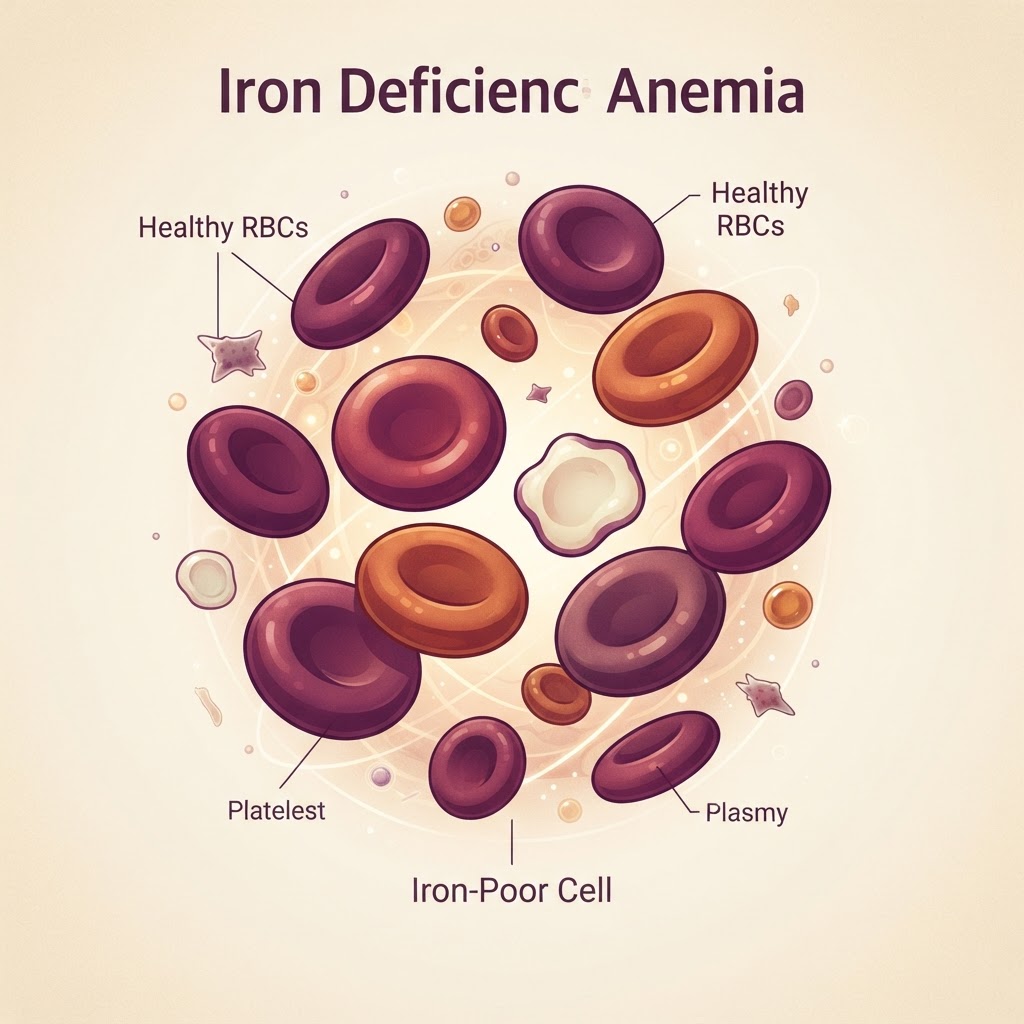
Iron Deficiency Anemia: When Your Blood Runs Low on Fuel
Iron deficiency anemia happens when your body doesn't have enough iron to make healthy red blood cells — the cells that carry oxygen everywhere it's needed. It's the most common nutritional deficiency in the world, and in most cases it's very treatable.
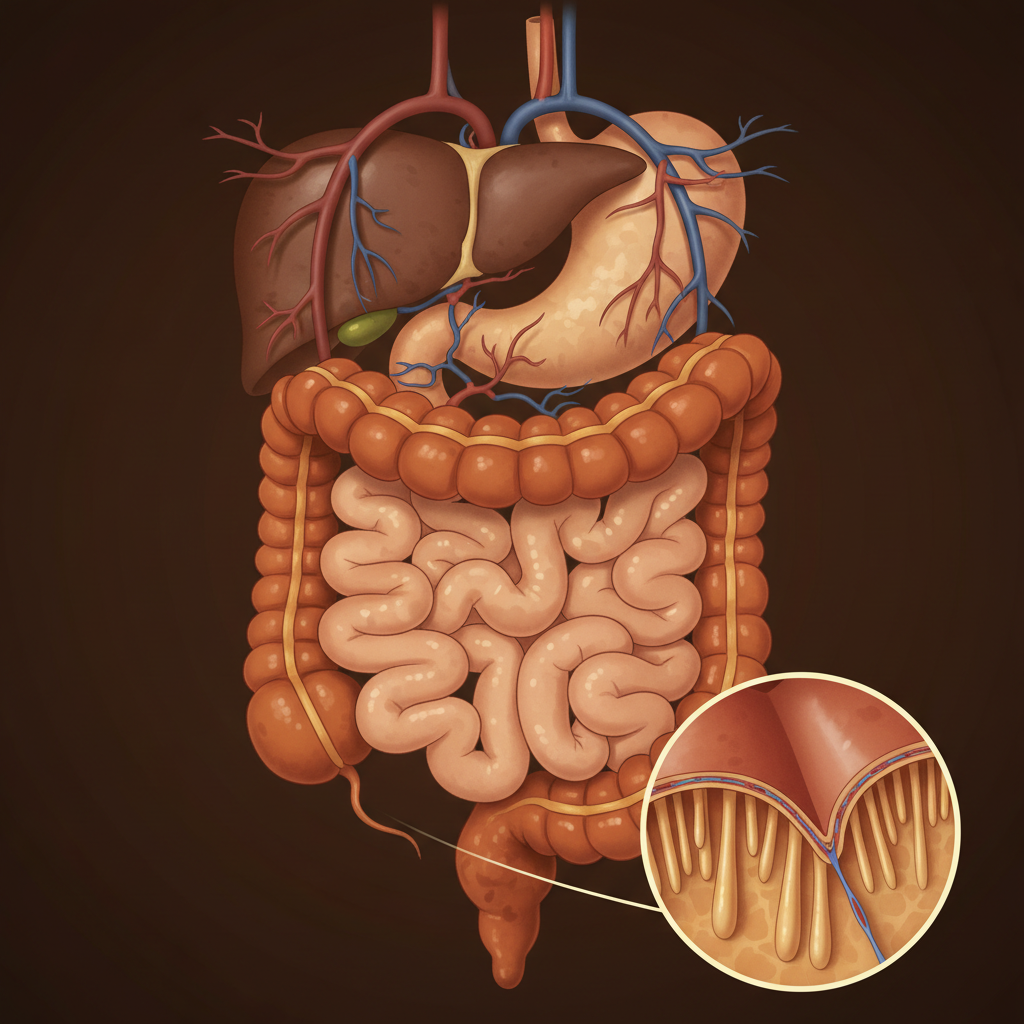
Small Intestine Disorders: A Complete Overview
From Crohn's disease and celiac disease to SIBO, short bowel syndrome, and small bowel cancer — learn about the major disorders affecting the small intestine, their symptoms, and treatments.

Intestinal Cancer: Understanding Colorectal and Small Intestine Cancers
Nearly 159,000 Americans will be diagnosed with colorectal cancer in 2026 alone — and rates in adults under 50 are rising sharply. Early detection can be life-saving. Here's what everyone needs to know.