
Lupus
Lupus, or systemic lupus erythematosus (SLE), is a chronic autoimmune disease in which the immune system mistakenly attacks healthy tissue throughout the body. It can affect the skin, joints, kidneys, brain, heart, lungs, and blood cells. Lupus is characterized by periods of illness (flares) and periods of remission, and its symptoms can range from mild to life-threatening.
Symptoms
Fatigue, joint pain and swelling, a butterfly-shaped rash across the cheeks and bridge of the nose, skin lesions that worsen with sun exposure, fever, chest pain, shortness of breath, dry eyes, hair loss, mouth ulcers, swollen lymph nodes, sensitivity to sunlight, and in severe cases, kidney inflammation, neurological symptoms, or blood disorders.
Treatments
There is no cure for lupus, but it can be managed. Treatment depends on the organs affected and severity. Options include NSAIDs for joint pain and inflammation, antimalarial drugs (hydroxychloroquine) as a cornerstone of treatment, corticosteroids for flares, immunosuppressants (methotrexate, mycophenolate, cyclophosphamide, azathioprine), biologics (belimumab, anifrolumab), and lifestyle measures such as sun protection, stress management, and regular exercise.
Risk Factors
Being female (9 out of 10 cases occur in women), ages 15–45, African American, Hispanic/Latina, Asian American, or Native American heritage, family history of lupus or other autoimmune diseases, and exposure to certain medications, infections, or sunlight that may trigger flares.
Prevalence
An estimated 1.5 million Americans and at least 5 million people worldwide have lupus. It most commonly develops between the ages of 15 and 45, and women of color are two to three times more likely to develop the disease than Caucasian women.
Related Articles

Lupus: When the Immune System Turns Inward
Lupus is a chronic autoimmune disease in which the body's defense system mistakenly attacks its own healthy tissue — causing inflammation that can touch the skin, joints, and organs. It's unpredictable, but with modern care most people manage it well.
Pneumocystis Infections (PCP / PJP): A Complete Overview
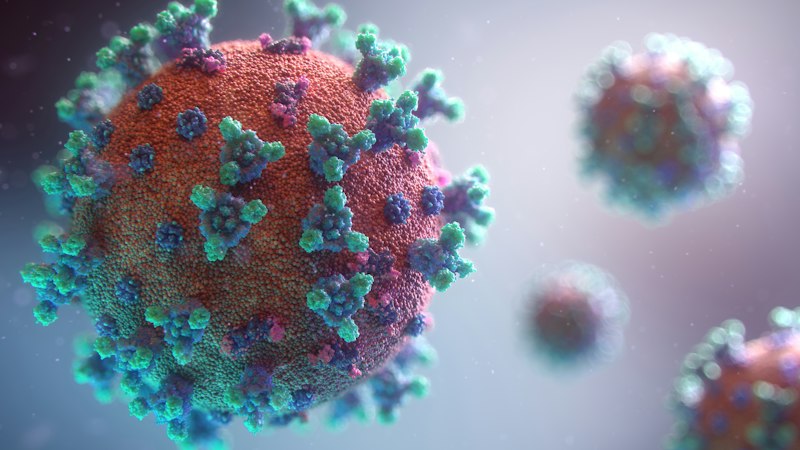
Pneumocystis jirovecii pneumonia (PCP/PJP) is a life-threatening opportunistic infection that nearly vanished in HIV patients with modern antiretroviral therapy — but is now rising in a new population of immunocompromised patients, with mortality rates up to 50%.

Pulmonary Hypertension: A Complete Overview
Elevated pressure in the lung arteries strains the right heart — and left untreated, leads to right heart failure and death. A new era of targeted treatment is transforming outcomes for one of cardiology's most complex conditions.

Kidney Disease: Understanding CKD Before It's Too Late
37 million Americans have chronic kidney disease — and 9 in 10 don't know it. By the time symptoms appear, significant damage is already done. Early detection and the right treatment can change everything.

Hypothyroidism: When Your Thyroid Slows Everything Down
An underactive thyroid can make you feel like you're living in slow motion — exhausted, cold, foggy, and gaining weight for no clear reason. It affects millions of Americans who don't know they have it. Here's what you need to know.
Understanding Chronic Kidney Disease
Chronic kidney disease (CKD) affects approximately 37 million Americans — roughly 1 in 7 adults — yet 9 out of 10 people with CKD don't know they have it. It is a slow, largely silent condition that, left unmanaged, can lead to kidney failure, heart disease, and premature death.
What Is Ménière's Disease? A Complete Overview
A chronic inner ear disorder that strikes without warning — causing spinning vertigo, hearing loss, and relentless ringing. 615,000 Americans live with Ménière's disease, with 45,500 new cases diagnosed each year.