
Tuberculosis
Tuberculosis is a bacterial infection caused by Mycobacterium tuberculosis that primarily affects the lungs but can spread to other organs, transmitted through airborne droplets when an infected person coughs, speaks, or sneezes. Globally, TB remains the deadliest infectious disease in the world, killing more than 1 million people annually. In the U.S., TB was long considered a disease in decline, but recent years have reversed that trend. After surging to 10,347 cases in 2024 — the highest count since 2011 and an 8% increase over 2023 — provisional CDC data show 10,260 TB cases reported in 2025, a modest 1% decline but still well above pre-pandemic levels. The vast majority of U.S. TB cases (77%) occur in people born outside the country, with a rate of 15.4 per 100,000 among non-U.S.-born individuals compared to just 0.8 per 100,000 among U.S.-born individuals. One-third of all cases involve adults aged 25 to 44. A critical complicating factor is latent TB infection — in which the bacteria remain dormant and non-contagious — which affects an estimated 13 million Americans and can reactivate when the immune system is weakened. Drug-resistant TB strains pose an increasing global concern, and eliminating TB in the U.S. requires a dual strategy of treating active disease while identifying and treating latent infections in high-risk populations.
Related Articles
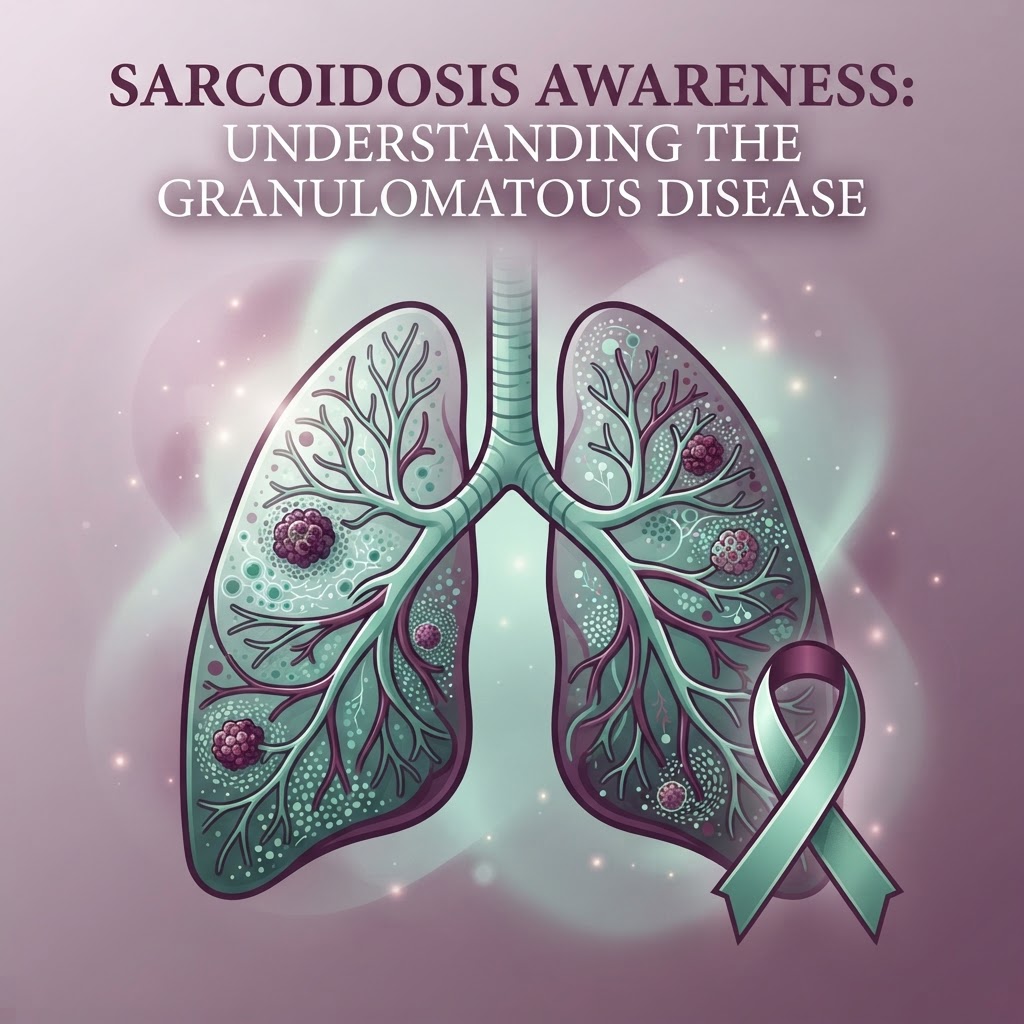
Sarcoidosis: When Inflammation Builds Tiny Clumps in the Body
Sarcoidosis is a disease in which the immune system forms small clusters of inflammatory cells — called granulomas — in one or more organs, most often the lungs. Its course is unpredictable: it can quietly fade on its own or become a long-term condition.
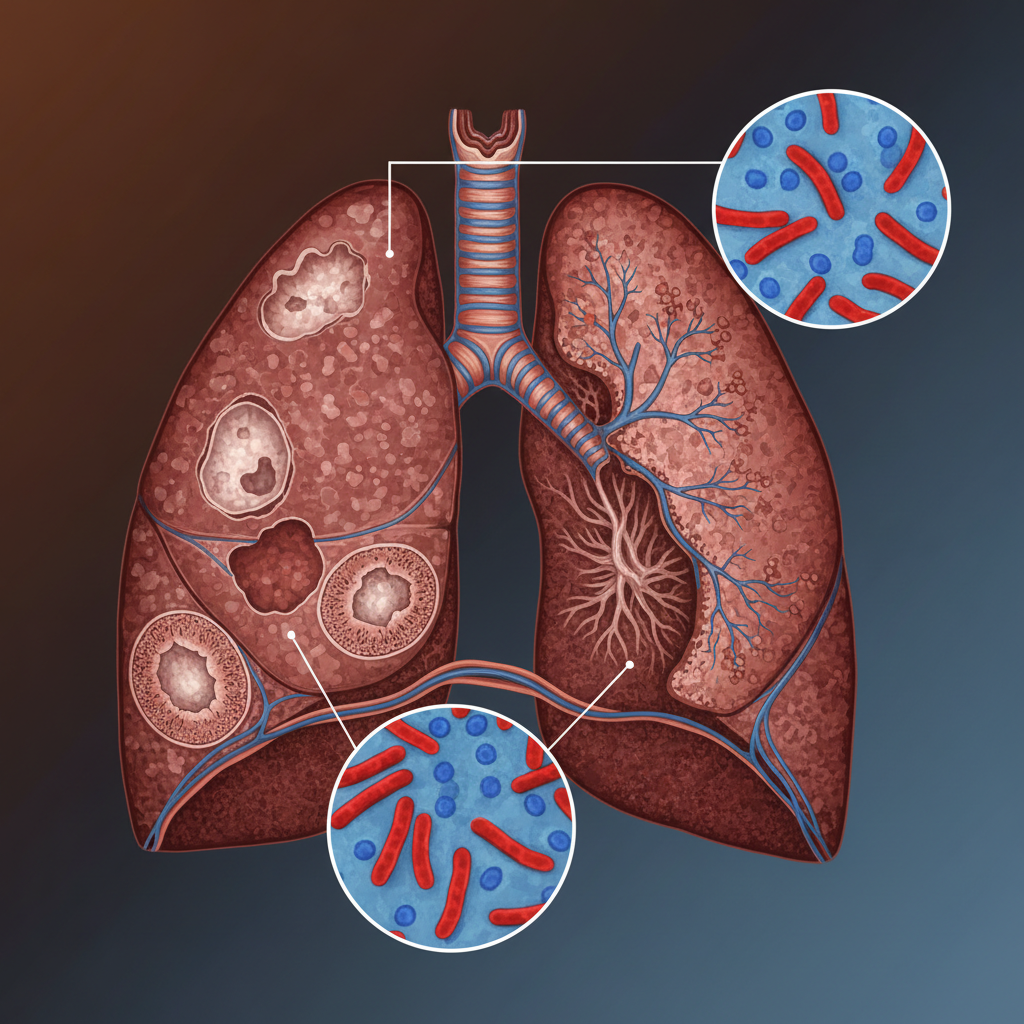
Tuberculosis (TB): A Complete Overview
TB killed 1.23 million people globally in 2024 — and U.S. cases are rising for the fourth consecutive year, reaching 10,347 in 2024. Here’s what everyone should know about active vs. latent TB, drug-resistant TB, diagnosis, and treatment.
Mycobacterial Infections: A Complete Overview
The Mycobacterium family includes some of history's most notorious pathogens — and some of its most overlooked. From tuberculosis to leprosy to emerging nontuberculous infections, here's what you need to know.

Emphysema: When Breathing Becomes a Burden
Emphysema is a progressive lung disease that silently destroys the air sacs that power every breath. Understanding it early — before symptoms become severe — is the key to slowing its course.