
Hypothyroidism
Hypothyroidism is a condition in which the thyroid gland does not produce enough thyroid hormone, slowing the body's metabolism and affecting nearly every organ system. Symptoms often develop gradually and include fatigue, weight gain, cold intolerance, depression, dry skin, and cognitive difficulties. Prevalence in the U.S. has been rising, growing from 9.6% of the population in 2012 to 11.7% in 2019, with women 5 to 9 times more likely than men to be affected. The most common cause — responsible for more than 70% of cases — is Hashimoto's thyroiditis, an autoimmune condition in which the immune system attacks the thyroid gland. Subclinical hypothyroidism, where TSH levels are elevated but symptoms may be mild or absent, adds significantly to the overall burden. Levothyroxine, the primary treatment for hypothyroidism, was the single most prescribed medication in the United States in 2023, underscoring just how widespread the condition has become. While hypothyroidism is highly manageable with consistent treatment, it requires lifelong medication and monitoring, with undertreated or undiagnosed cases carrying elevated risk for cardiovascular disease, infertility, and complications in pregnancy.
Related Articles
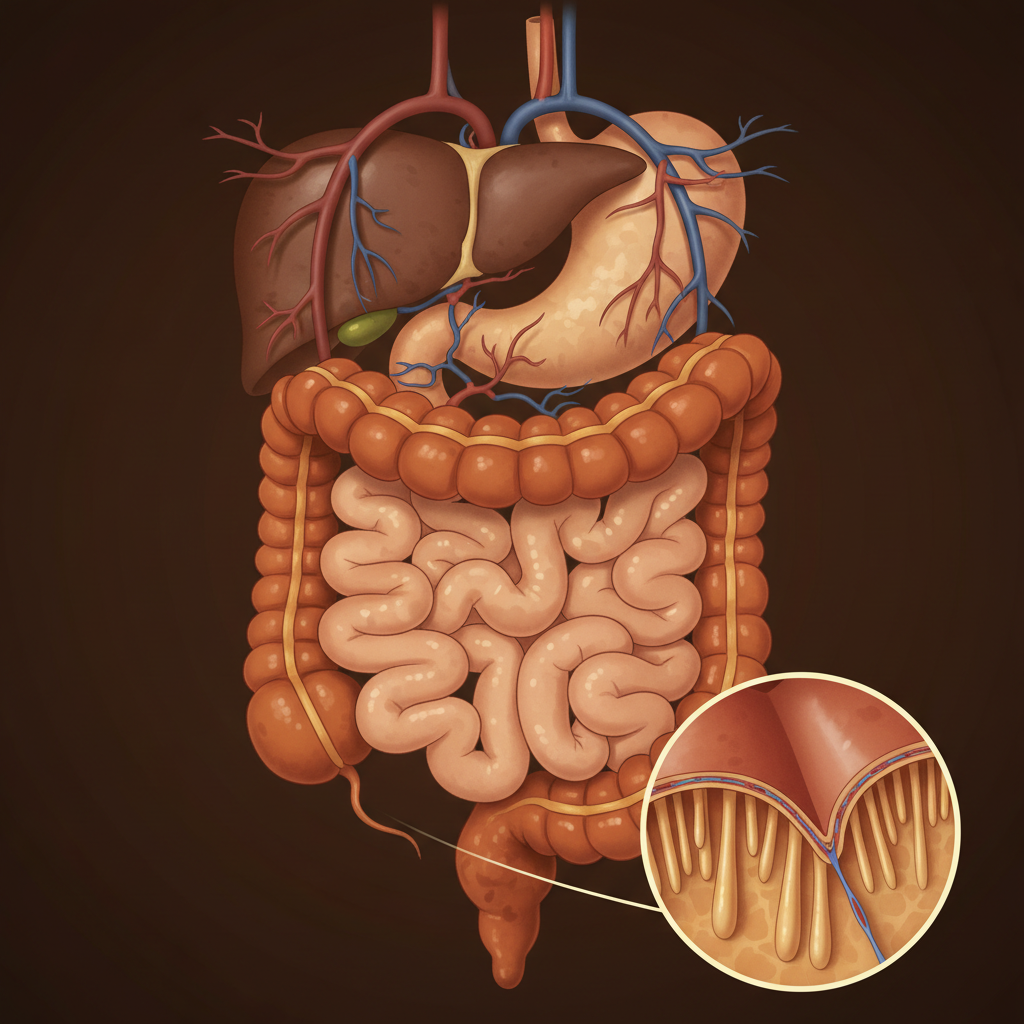
Small Intestine Disorders: A Complete Overview
From Crohn's disease and celiac disease to SIBO, short bowel syndrome, and small bowel cancer — learn about the major disorders affecting the small intestine, their symptoms, and treatments.
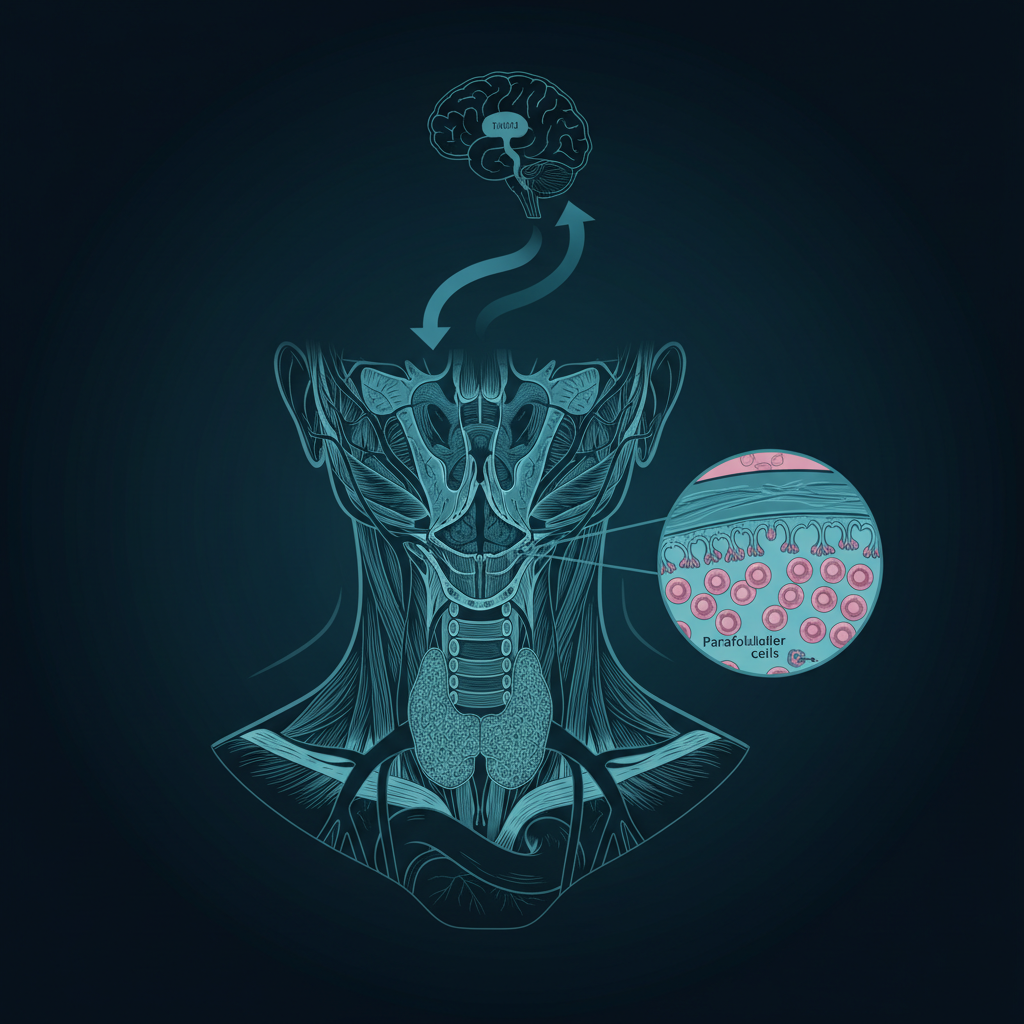
Thyroid Diseases: A Complete Overview
20 million Americans have thyroid disease — and up to 60% don't know it. From the fatigue of hypothyroidism to the anxiety of Graves' disease, thyroid conditions affect nearly every system in the body.
Hyperthyroidism: When Your Thyroid Goes Into Overdrive
Your thyroid is a small gland with an enormous influence on how your entire body functions. When it produces too much hormone, everything speeds up — and the effects can ripple through your heart, bones, muscles, mood, and more.

Hypothyroidism: When Your Thyroid Slows Everything Down
An underactive thyroid can make you feel like you're living in slow motion — exhausted, cold, foggy, and gaining weight for no clear reason. It affects millions of Americans who don't know they have it. Here's what you need to know.

More Than Tired: Understanding Fatigue and When to See a Doctor
Everyone gets tired. But fatigue is something different — a persistent, heavy exhaustion that rest alone can't fix. Knowing the difference could be one of the most important health decisions you make.