High Blood Pressure
High blood pressure, or hypertension, is a condition in which the force of blood against artery walls is consistently too high, silently damaging the heart, blood vessels, kidneys, and brain over time. Nearly half of all U.S. adults — 47.7% — have hypertension, with rates higher in men (50.8%) than women (44.6%) and rising sharply with age, reaching 71.6% in adults 60 and older. In 2022, high blood pressure was a primary or contributing cause of nearly 686,000 deaths in the United States. Despite its prevalence, control remains poor — nearly four out of five U.S. adults with hypertension have blood pressure above the current guideline goal of 130/80 mmHg, with related deaths nearly doubling over the past two decades while treatment rates have stagnated. About 1 in 5 adults with high blood pressure is unaware they have it, earning hypertension its reputation as a "silent killer." Disparities are pronounced — Black adults carry the highest burden at 58.8% prevalence — and management typically involves lifestyle modification alongside antihypertensive medications.
Related Articles
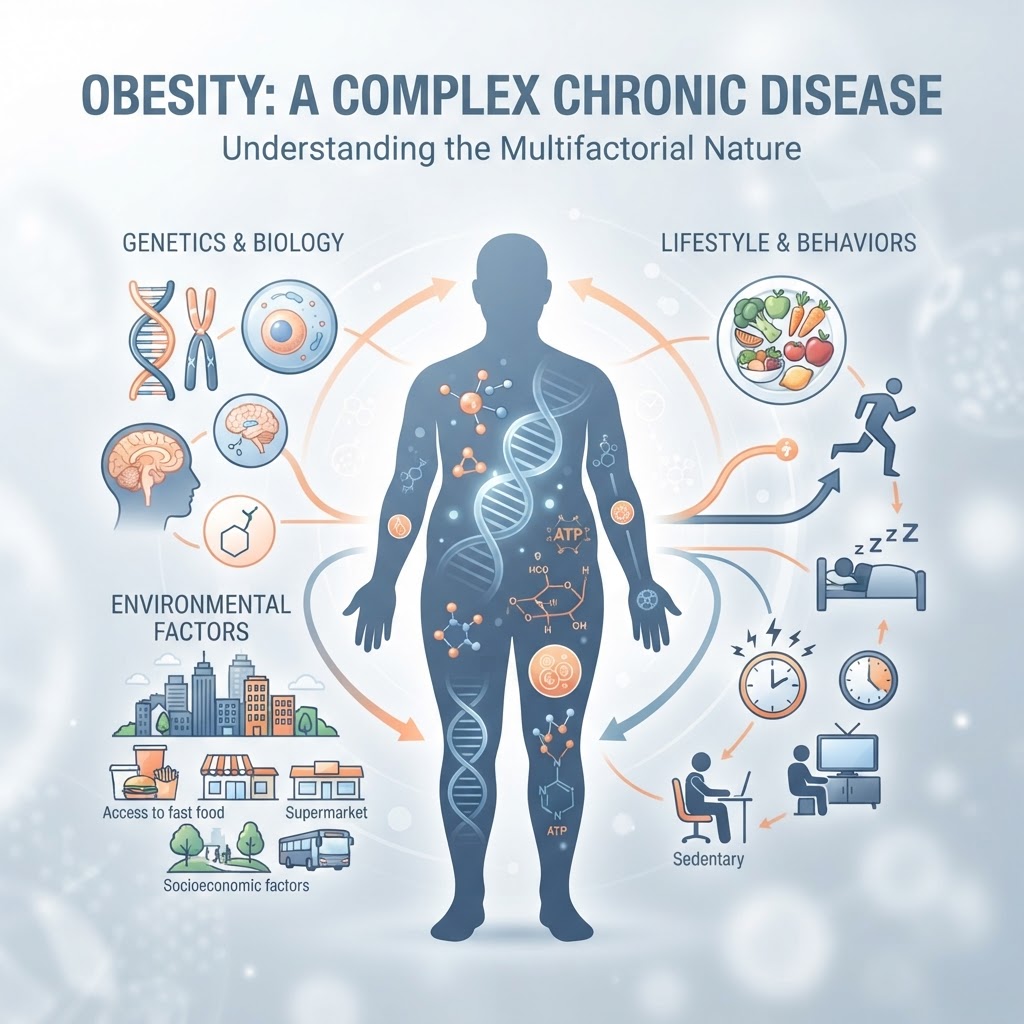
Obesity: Understanding a Complex Chronic Disease
Obesity is a chronic medical condition marked by excess body fat that can affect health. Modern medicine recognizes it as a disease shaped by genetics, biology, and environment — not a simple matter of willpower — and there are now more effective, compassionate ways to treat it than ever before.
Fibrosis: When Healing Turns to Scarring
Fibrosis is the buildup of thick, stiff scar tissue in an organ. A small amount is a normal part of healing — but when it spreads unchecked, it can stiffen the lungs, liver, heart, or kidneys and quietly steal their ability to work.
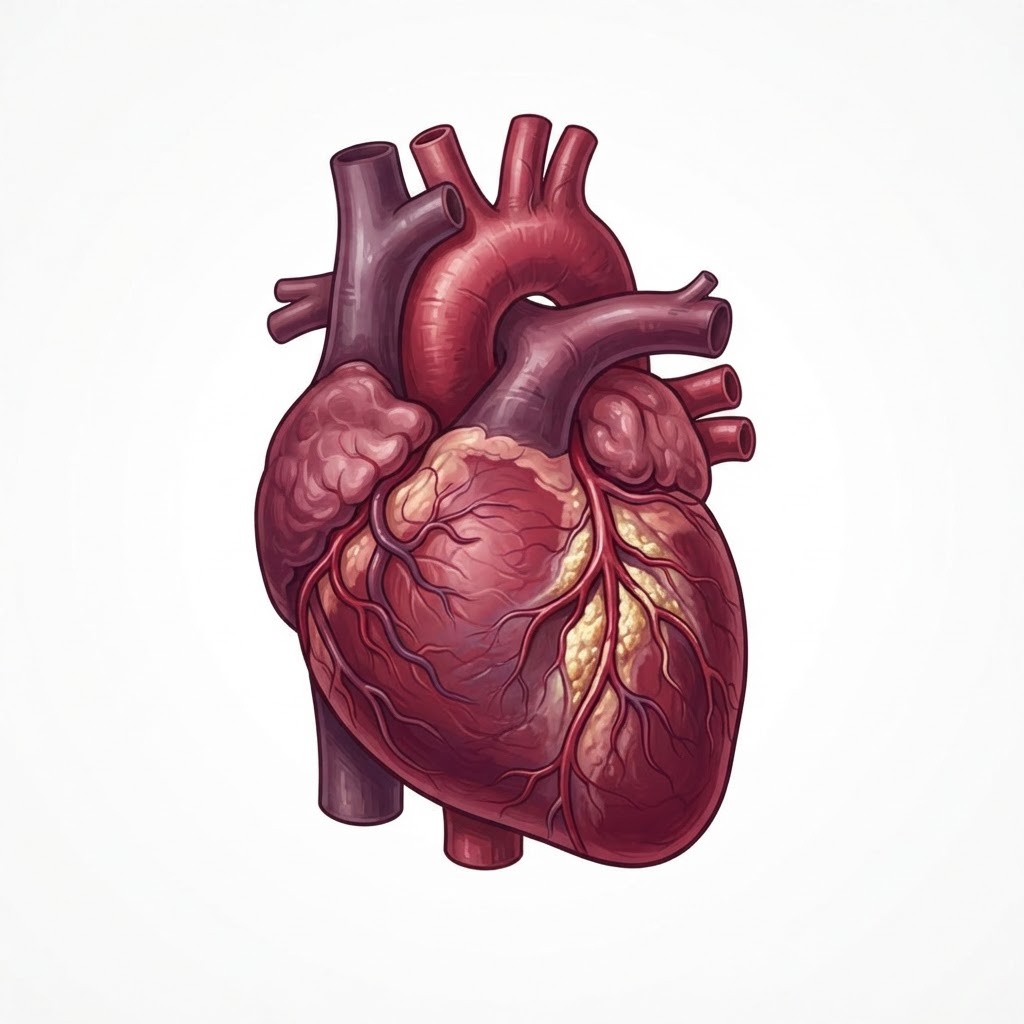
Heart Disease: The World's Leading Cause of Death
"Heart disease" covers a family of conditions that affect how the heart and blood vessels work — from clogged arteries to irregular rhythms and weakened pumping. The good news: much of it is preventable, and today's treatments help millions live full lives.
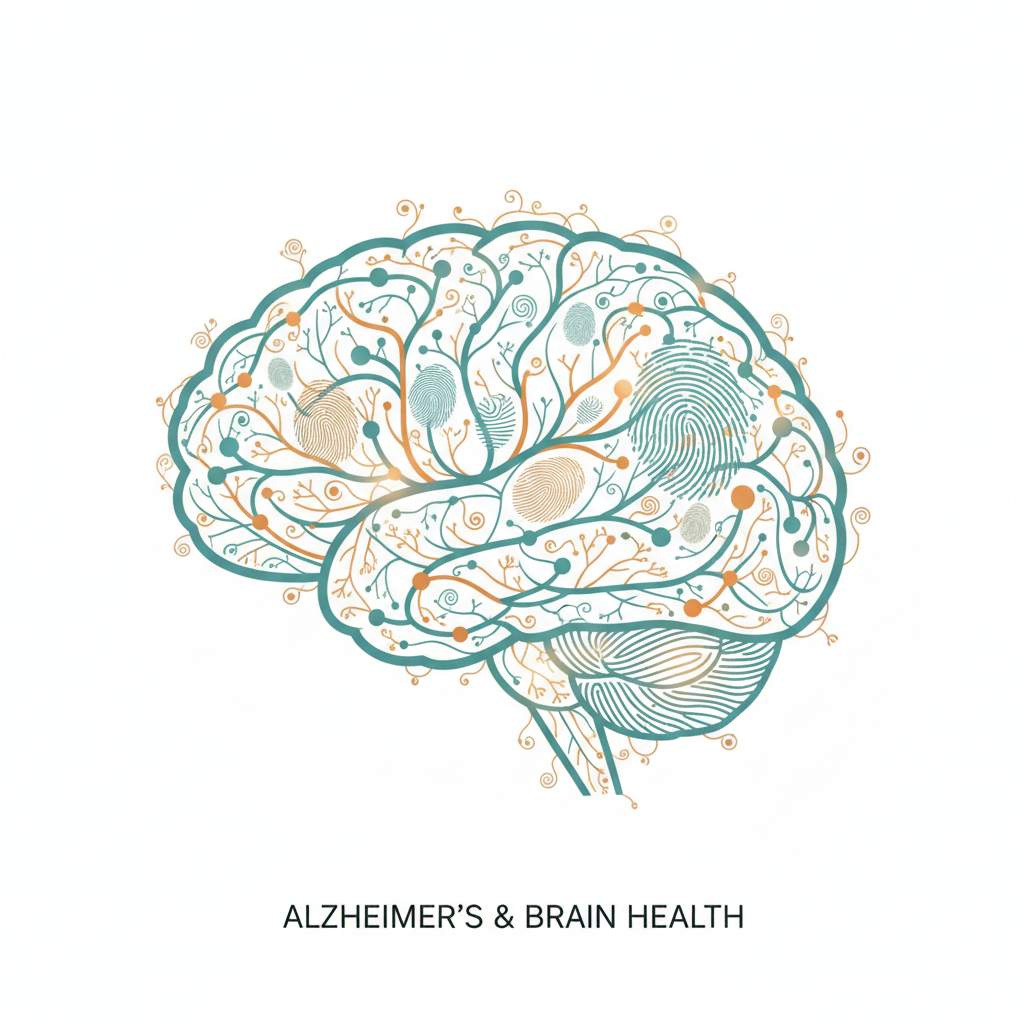
Alzheimer's Disease: Symptoms, Stages, Causes & Treatment
A comprehensive guide to Alzheimer's disease — from early warning signs and stages to causes, risk factors, diagnosis, and treatment options. Brought to you by iHealth Network.
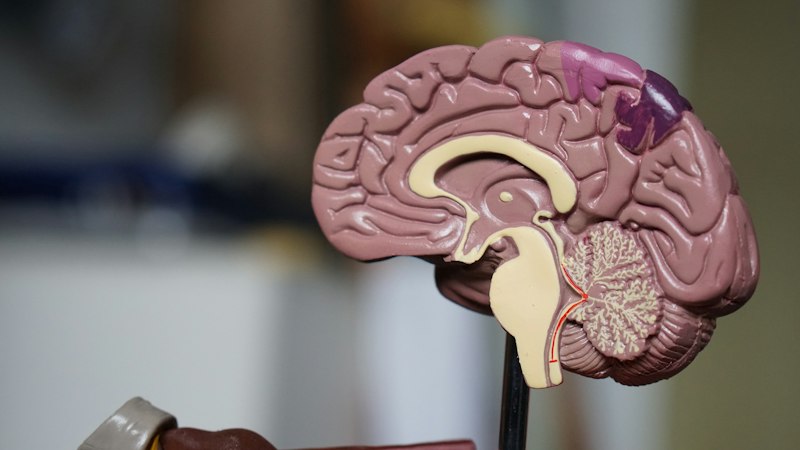
Optic Nerve Disorders: A Complete Overview
The optic nerve is the critical link between your eyes and your brain — and damage to it can mean permanent vision loss. From glaucoma to optic neuritis, ischemic neuropathy, and rare genetic disorders, here's what you need to know.

Prescription Drug Misuse: A Complete Overview
Nearly 14 million Americans misuse prescription drugs each year — making it the second most common form of drug misuse in the country. Understanding the why, the what, and the how is essential for patients, families, and providers.
High Blood Pressure: Understanding America's Most Common Health Threat
Nearly half of all American adults have high blood pressure — and most have no symptoms. It silently damages your heart, brain, kidneys, and arteries for years before anyone notices. Here's what you need to know.
Kidney Disease: Understanding CKD Before It's Too Late
37 million Americans have chronic kidney disease — and 9 in 10 don't know it. By the time symptoms appear, significant damage is already done. Early detection and the right treatment can change everything.
Kidney Cysts: What They Are, When to Worry, and How They're Treated
Most kidney cysts are harmless and need no treatment. But some signal serious underlying conditions. Knowing the difference — and when to act — is what this guide is for.
A Clear Vision: Your Essential Guide to Eye Health
Most people don't think about their eyes until something goes wrong. Here's what you can do today — and every day — to protect one of your most vital senses.
Understanding Chronic Kidney Disease
Chronic kidney disease (CKD) affects approximately 37 million Americans — roughly 1 in 7 adults — yet 9 out of 10 people with CKD don't know they have it. It is a slow, largely silent condition that, left unmanaged, can lead to kidney failure, heart disease, and premature death.