HIV
HIV is a virus that attacks the body's immune system — specifically CD4 cells — and, if left untreated, can progress to AIDS (Acquired Immunodeficiency Syndrome), leaving the body vulnerable to life-threatening infections and cancers. Approximately 1.2 million people in the U.S. are currently living with HIV, and about 1 in 8 do not know it. In 2023, over 39,000 people were newly diagnosed with HIV in the U.S., with Black and Hispanic individuals each accounting for more than a third of diagnoses, and the South representing 51% of all new cases. There is encouraging progress — annual new infections declined 12% from 2018 to 2022, driven largely by a 30% drop among young people aged 13–24, with increases in PrEP use, HIV testing, and viral suppression as key contributors. While there is no cure, antiretroviral therapy (ART) can suppress the virus to undetectable levels, preventing transmission and allowing people with HIV to live long, healthy lives. Prevention tools including PrEP (pre-exposure prophylaxis) and regular testing remain central to the national goal of ending the HIV epidemic in the U.S.
Related Articles

Louisiana's Abortion Pill Case Could Wipe Out Access in Blue States
Louisiana will argue before a federal appeals court that FDA rules allowing telehealth prescription and mail delivery of mifepristone infringe on its right to prohibit abortion — but if it succeeds, it would wipe out online and mail access in states where abortion is legal, cutting off millions from a method they increasingly depend on.
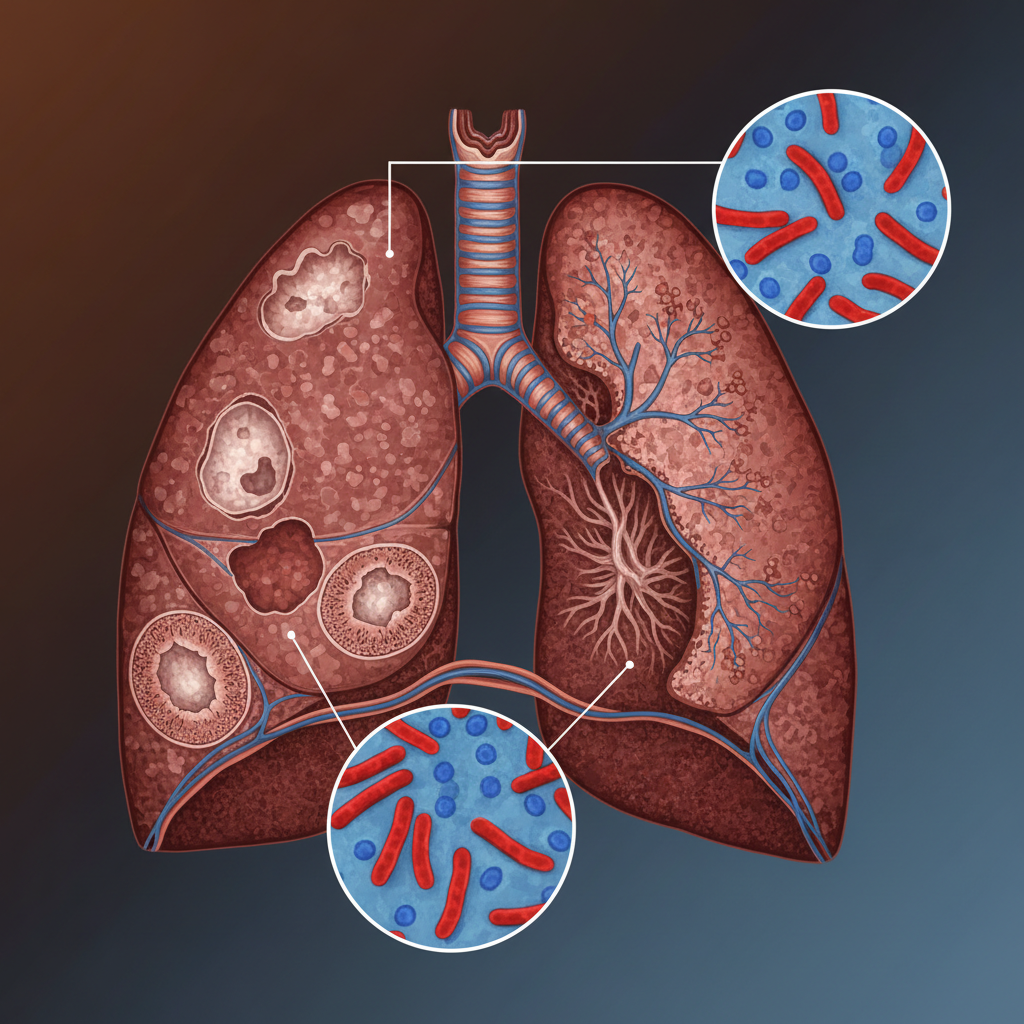
Tuberculosis (TB): A Complete Overview
TB killed 1.23 million people globally in 2024 — and U.S. cases are rising for the fourth consecutive year, reaching 10,347 in 2024. Here’s what everyone should know about active vs. latent TB, drug-resistant TB, diagnosis, and treatment.
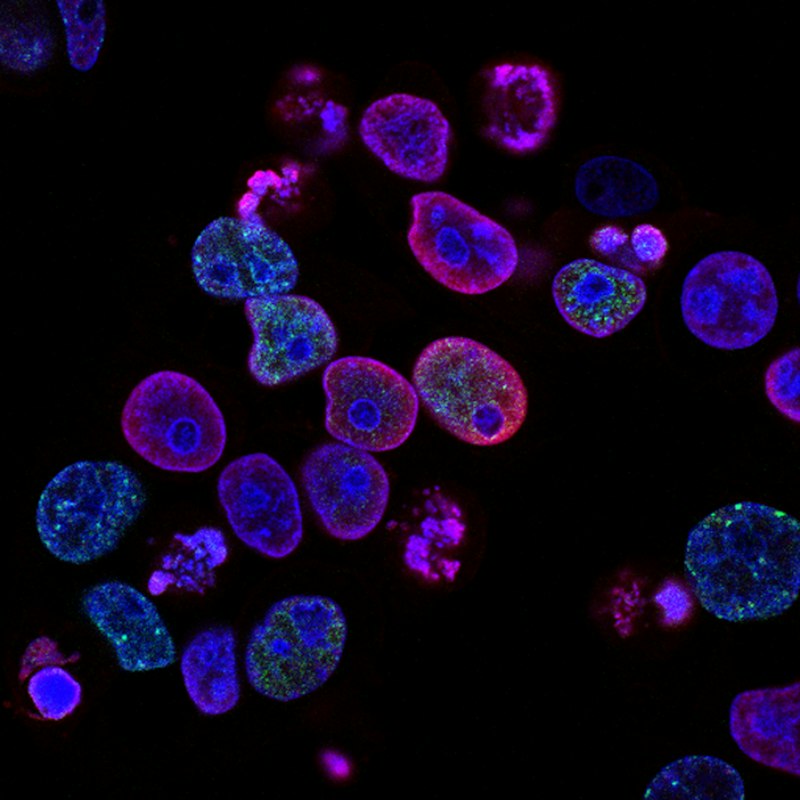
Mycobacterial Infections: A Complete Overview
The Mycobacterium family includes some of history's most notorious pathogens — and some of its most overlooked. From tuberculosis to leprosy to emerging nontuberculous infections, here's what you need to know.
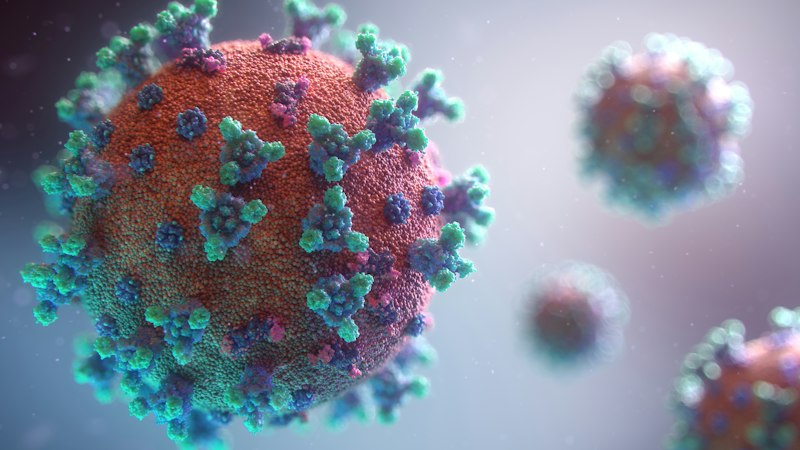
Pneumocystis Infections (PCP / PJP): A Complete Overview
Pneumocystis jirovecii pneumonia (PCP/PJP) is a life-threatening opportunistic infection that nearly vanished in HIV patients with modern antiretroviral therapy — but is now rising in a new population of immunocompromised patients, with mortality rates up to 50%.
Pneumonia: A Complete Overview
Pneumonia is one of the leading infectious causes of death in the United States — and one of the most preventable. From bacterial to viral to fungal, here's what everyone should know about this serious lung infection.

Pulmonary Hypertension: A Complete Overview
Elevated pressure in the lung arteries strains the right heart — and left untreated, leads to right heart failure and death. A new era of targeted treatment is transforming outcomes for one of cardiology's most complex conditions.

Food Allergies: What They Are, What Triggers Them, and What to Do
32 million Americans live with a food allergy. For some, a single bite can be life-threatening. Here's what everyone should know — whether you have an allergy or not.

Understanding HIV: What It Is, How It Spreads, and How It's Treated
HIV is no longer the death sentence it once was. With modern treatment, people with HIV live long, healthy lives. But only if they know they have it — and get care.

Infant & Newborn Nutrition: A Parent's Complete Guide
The first year of life is the most nutritionally critical window a human being will ever experience. What — and how — you feed your baby shapes their brain, immune system, and long-term health in ways that last a lifetime.
What Is Legionnaires' Disease? A Complete Overview
From the bacteria hiding in water systems to symptoms, risk factors, and treatment — everything you need to know about Legionnaires' disease in one place. ~13,000 severe U.S. cases occur per year, with 95% requiring hospitalization.