
Obesity
Obesity is a chronic, complex disease characterized by excessive accumulation of body fat that impairs health. It is not simply a lifestyle issue but a recognized medical condition involving genetic, hormonal, behavioral, and environmental factors. Obesity increases the risk of numerous serious conditions including type 2 diabetes, heart disease, stroke, certain cancers, and joint problems. Body mass index (BMI) of 30 or higher is commonly used to define obesity, though waist circumference and body composition also matter.
Symptoms
Excess body fat, particularly around the abdomen; shortness of breath, especially with physical activity; fatigue and low stamina; joint and back pain; snoring or sleep apnea; difficulty with physical tasks; excessive sweating; skin fold irritation or infections; low self-esteem or depression; and in children, slowed growth or early puberty. Obesity itself may not cause direct symptoms, but its associated conditions often do.
Treatments
Treatment is multifaceted and individualized. Options include intensive lifestyle modifications (structured diet, physical activity, and behavioral therapy), medical nutrition therapy, weight management programs, FDA-approved anti-obesity medications (GLP-1 receptor agonists like semaglutide and tirzepatide, orlistat, phentermine/topiramate), and metabolic and bariatric surgery (gastric bypass, sleeve gastrectomy, adjustable gastric banding) for severe obesity. Long-term follow-up and support are essential, as obesity is a chronic condition requiring ongoing management.
Risk Factors
Genetics and family history, high-calorie and processed food diets, physical inactivity, lack of sleep, certain medications (antidepressants, steroids), aging, pregnancy, quitting smoking, socioeconomic factors including limited access to healthy foods, psychological factors including stress and emotional eating, and medical conditions such as hypothyroidism, polycystic ovary syndrome (PCOS), and Cushing's syndrome.
Prevalence
Obesity affects approximately 42% of U.S. adults and 20% of children and adolescents. Globally, over 1 billion people are affected, including 650 million adults, 340 million adolescents, and 39 million children. Prevalence has nearly tripled worldwide since 1975 and continues to rise, making it one of the most significant public health challenges of the 21st century.
Related Articles
Eli Lilly Pledges to Bring GLP-1s to Lower-Income Countries
The new Lilly Change the Course Commitment aims to treat as many people with diabetes and obesity in low- and middle-income countries as in wealthy ones by 2040.
Novo Nordisk's Oral Semaglutide Hits the Mark in Landmark Pediatric Diabetes Trial
The PIONEER TEENS Phase 3 trial delivered statistically significant blood sugar improvements in children as young as 10 — and could bring the first pill-based GLP-1 therapy to young people with type 2 diabetes.
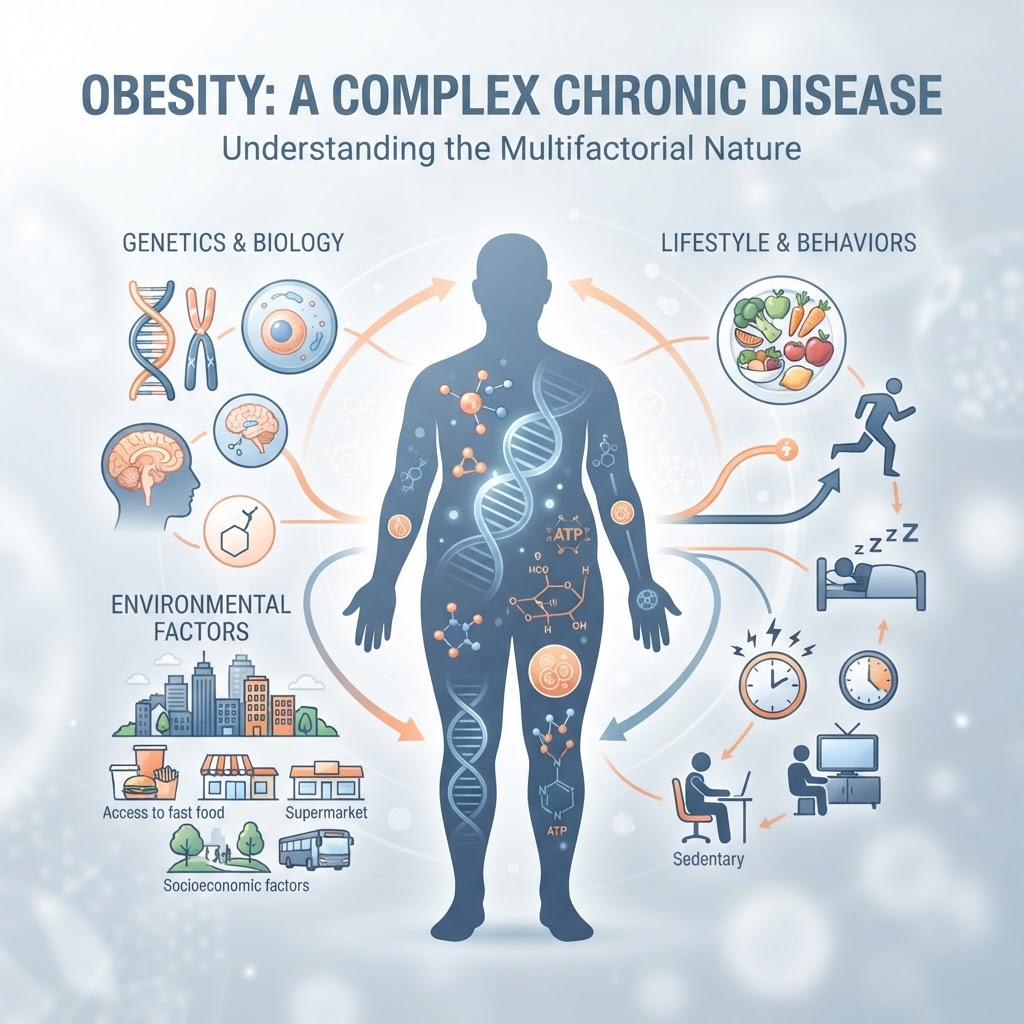
Obesity: Understanding a Complex Chronic Disease
Obesity is a chronic medical condition marked by excess body fat that can affect health. Modern medicine recognizes it as a disease shaped by genetics, biology, and environment — not a simple matter of willpower — and there are now more effective, compassionate ways to treat it than ever before.
Fibrosis: When Healing Turns to Scarring
Fibrosis is the buildup of thick, stiff scar tissue in an organ. A small amount is a normal part of healing — but when it spreads unchecked, it can stiffen the lungs, liver, heart, or kidneys and quietly steal their ability to work.
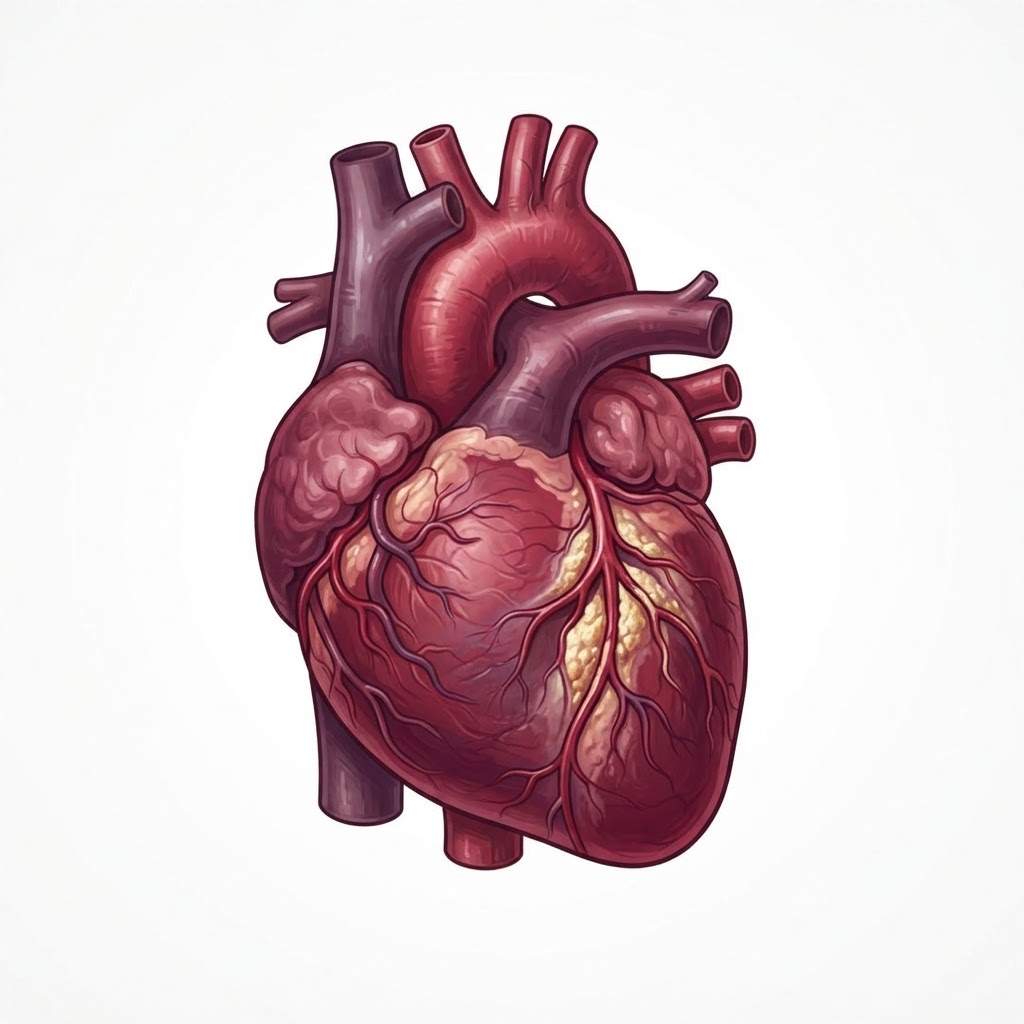
Heart Disease: The World's Leading Cause of Death
"Heart disease" covers a family of conditions that affect how the heart and blood vessels work — from clogged arteries to irregular rhythms and weakened pumping. The good news: much of it is preventable, and today's treatments help millions live full lives.

Breast Cancer: Symptoms, Types, Stages, Causes & Treatment
A comprehensive guide to breast cancer — from early warning signs and types to causes, diagnosis, and the latest treatment options. Brought to you by iHealth Network.
Alzheimer's Disease: Symptoms, Stages, Causes & Treatment
A comprehensive guide to Alzheimer's disease — from early warning signs and stages to causes, risk factors, diagnosis, and treatment options. Brought to you by iHealth Network.

Psoriatic Arthritis: A Complete Overview
Psoriatic arthritis affects up to 30% of people with psoriasis and can cause permanent joint damage if untreated. With more targeted biologics than ever before, early diagnosis and treatment have never been more important.
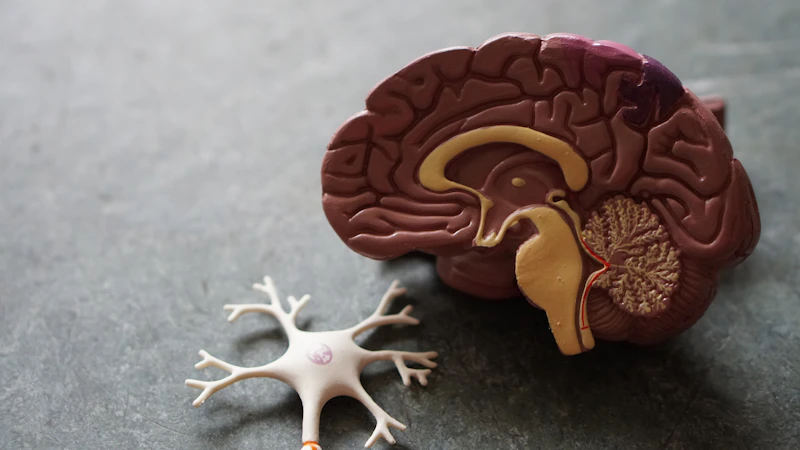
High Blood Pressure: Understanding America's Most Common Health Threat
Nearly half of all American adults have high blood pressure — and most have no symptoms. It silently damages your heart, brain, kidneys, and arteries for years before anyone notices. Here's what you need to know.

Kidney Disease: Understanding CKD Before It's Too Late
37 million Americans have chronic kidney disease — and 9 in 10 don't know it. By the time symptoms appear, significant damage is already done. Early detection and the right treatment can change everything.
Intestinal Cancer: Understanding Colorectal and Small Intestine Cancers
Nearly 159,000 Americans will be diagnosed with colorectal cancer in 2026 alone — and rates in adults under 50 are rising sharply. Early detection can be life-saving. Here's what everyone needs to know.

Infant & Newborn Nutrition: A Parent's Complete Guide
The first year of life is the most nutritionally critical window a human being will ever experience. What — and how — you feed your baby shapes their brain, immune system, and long-term health in ways that last a lifetime.

The Back Pain Guide: Understanding, Treating & Preventing It for Good
Back pain is the world's leading cause of disability — yet most cases are highly treatable and preventable. Roughly 80% of people will experience significant back pain at some point. This guide cuts through the noise to give you a clear, evidence-based picture of what works and what doesn't.