Diabetes
Diabetes is a chronic condition that affects how the body turns food into energy. It occurs when the pancreas doesn't produce enough insulin (Type 1) or when the body can't effectively use the insulin it produces (Type 2). Over time, uncontrolled high blood sugar can cause serious damage to the heart, blood vessels, eyes, kidneys, and nerves. More than 38 million Americans are living with diabetes, and approximately 1 in 5 don't know they have it.
Symptoms
Increased thirst and dry mouth, frequent urination, unexplained weight loss, extreme hunger, fatigue and weakness, blurred vision, slow-healing cuts or sores, frequent infections (skin, gum, bladder), tingling or numbness in hands or feet, and irritability.
Treatments
Type 1 requires lifelong insulin therapy (injections or pump). Type 2 is managed through lifestyle changes (diet, exercise, weight management), oral medications (metformin, sulfonylureas), and injectable medications including GLP-1 receptor agonists. Blood sugar monitoring, HbA1c testing, and regular screening for complications are essential. Advanced options include continuous glucose monitors and, for some, bariatric surgery.
Risk Factors
Family history of diabetes, overweight or obesity, physical inactivity, age 45 or older, prediabetes, history of gestational diabetes, polycystic ovary syndrome (PCOS), high blood pressure, abnormal cholesterol levels, and being of African American, Hispanic/Latino, Native American, Asian American, or Pacific Islander descent.
Prevalence
Approximately 38.4 million Americans (11.6% of the population) have diabetes, with Type 2 accounting for 90–95% of cases. An additional 97.6 million adults have prediabetes. Diabetes is the 8th leading cause of death in the United States.
Related Articles
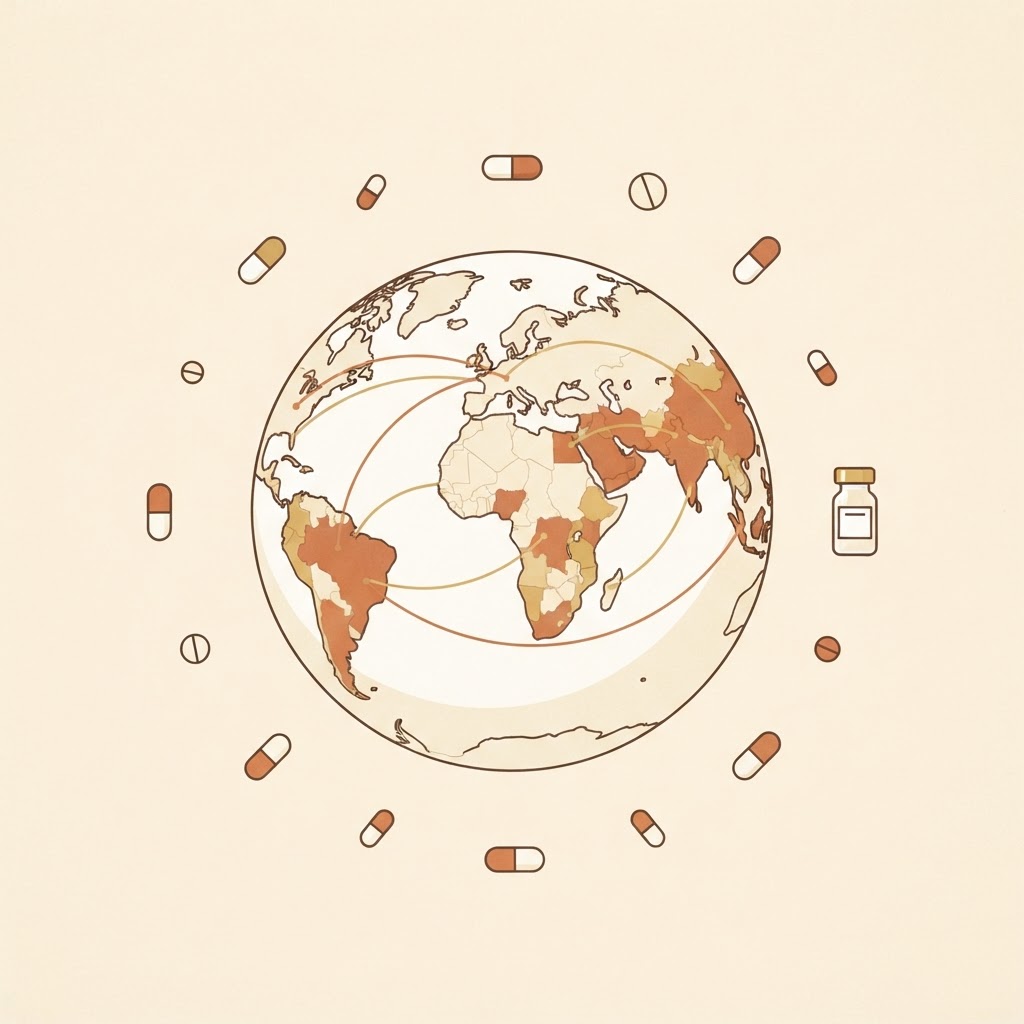
Eli Lilly Pledges to Bring GLP-1s to Lower-Income Countries
The new Lilly Change the Course Commitment aims to treat as many people with diabetes and obesity in low- and middle-income countries as in wealthy ones by 2040.
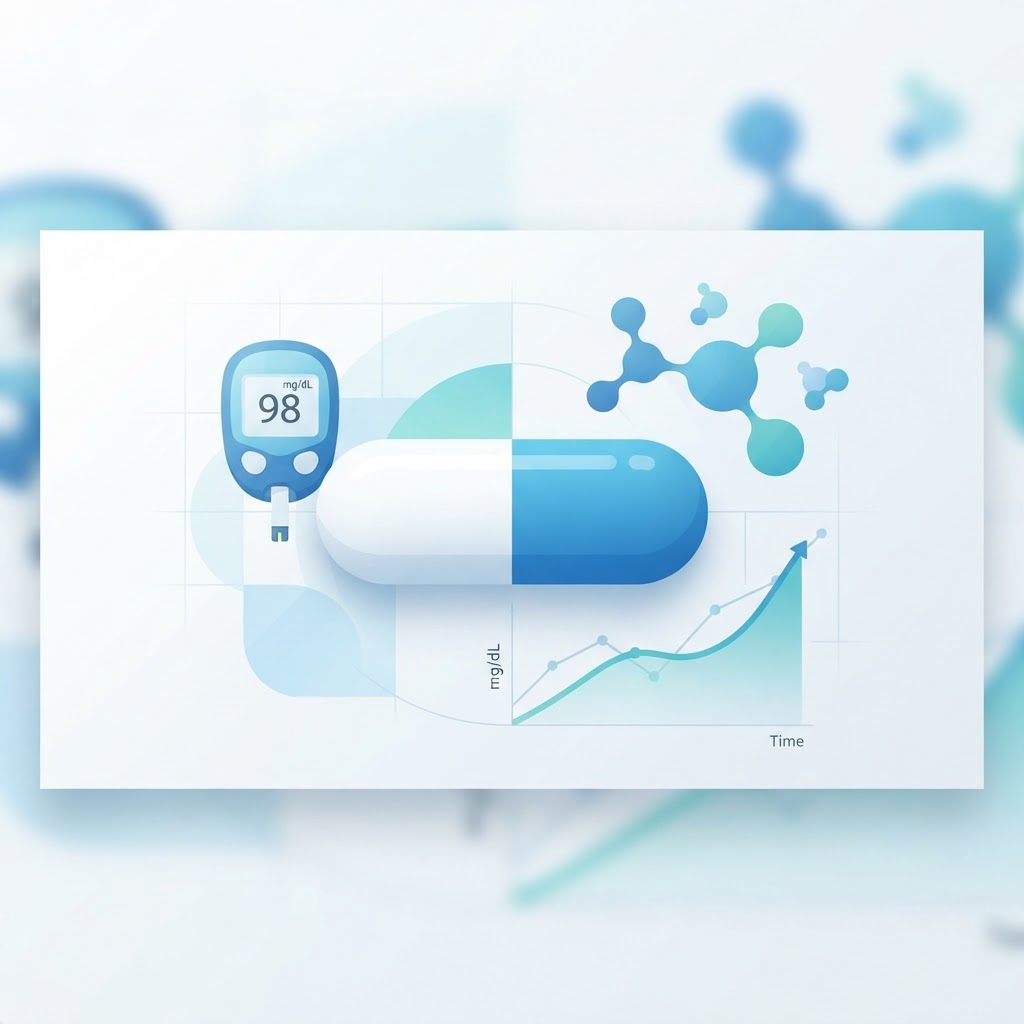
Novo Nordisk's Oral Semaglutide Hits the Mark in Landmark Pediatric Diabetes Trial
The PIONEER TEENS Phase 3 trial delivered statistically significant blood sugar improvements in children as young as 10 — and could bring the first pill-based GLP-1 therapy to young people with type 2 diabetes.
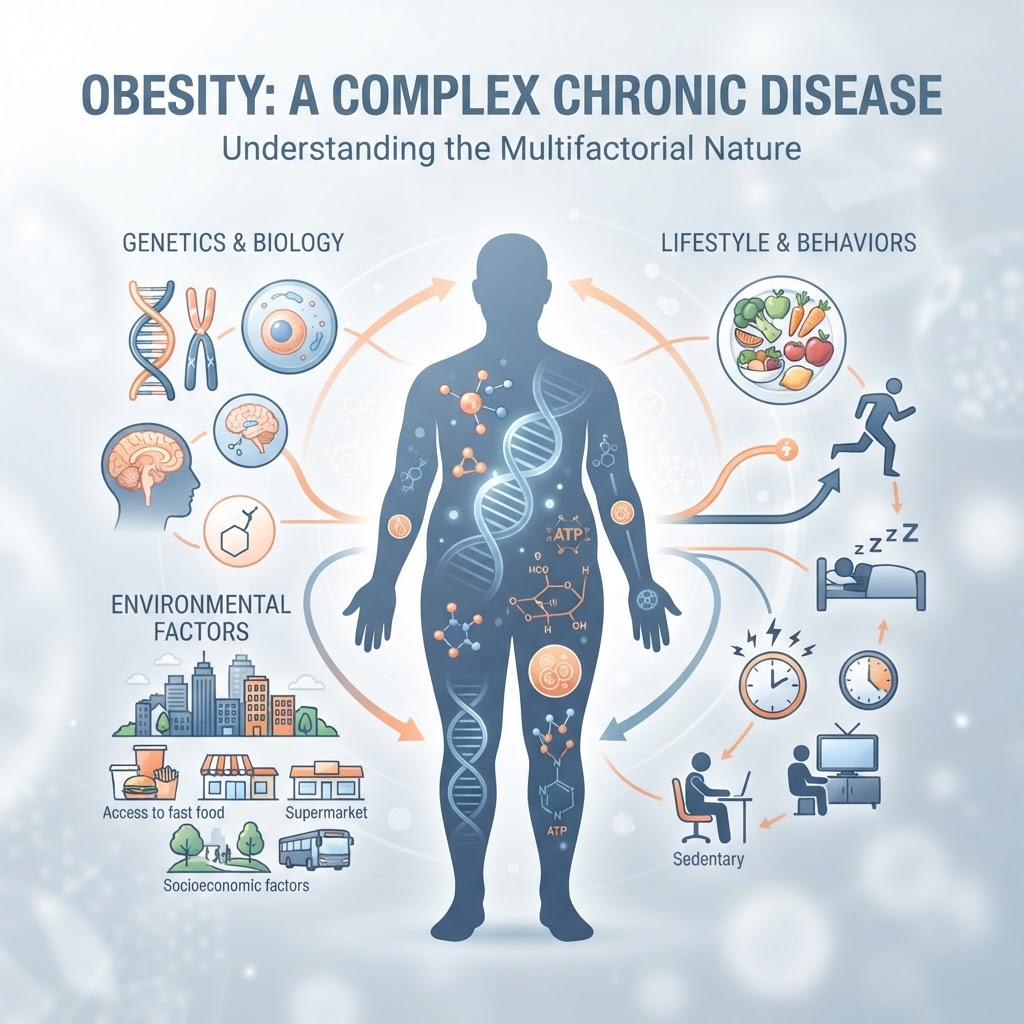
Obesity: Understanding a Complex Chronic Disease
Obesity is a chronic medical condition marked by excess body fat that can affect health. Modern medicine recognizes it as a disease shaped by genetics, biology, and environment — not a simple matter of willpower — and there are now more effective, compassionate ways to treat it than ever before.
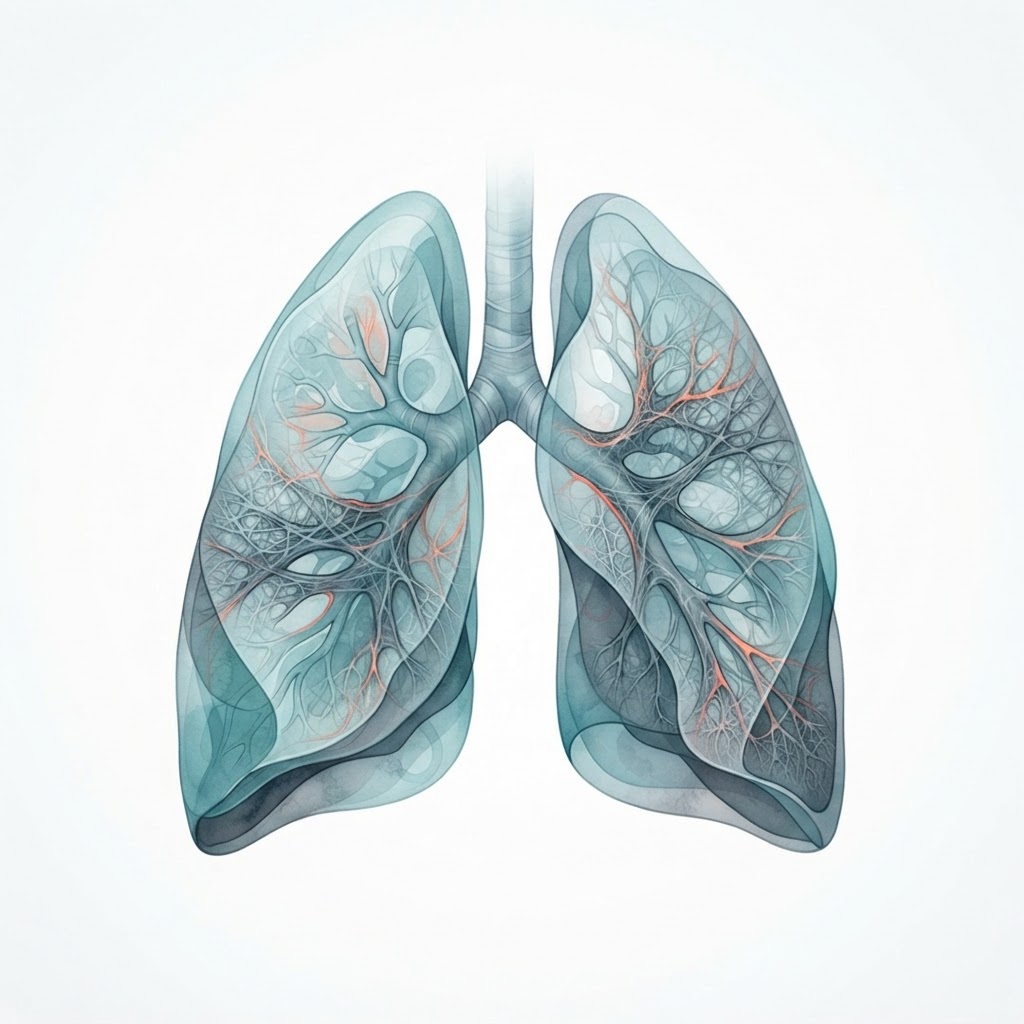
Fibrosis: When Healing Turns to Scarring
Fibrosis is the buildup of thick, stiff scar tissue in an organ. A small amount is a normal part of healing — but when it spreads unchecked, it can stiffen the lungs, liver, heart, or kidneys and quietly steal their ability to work.
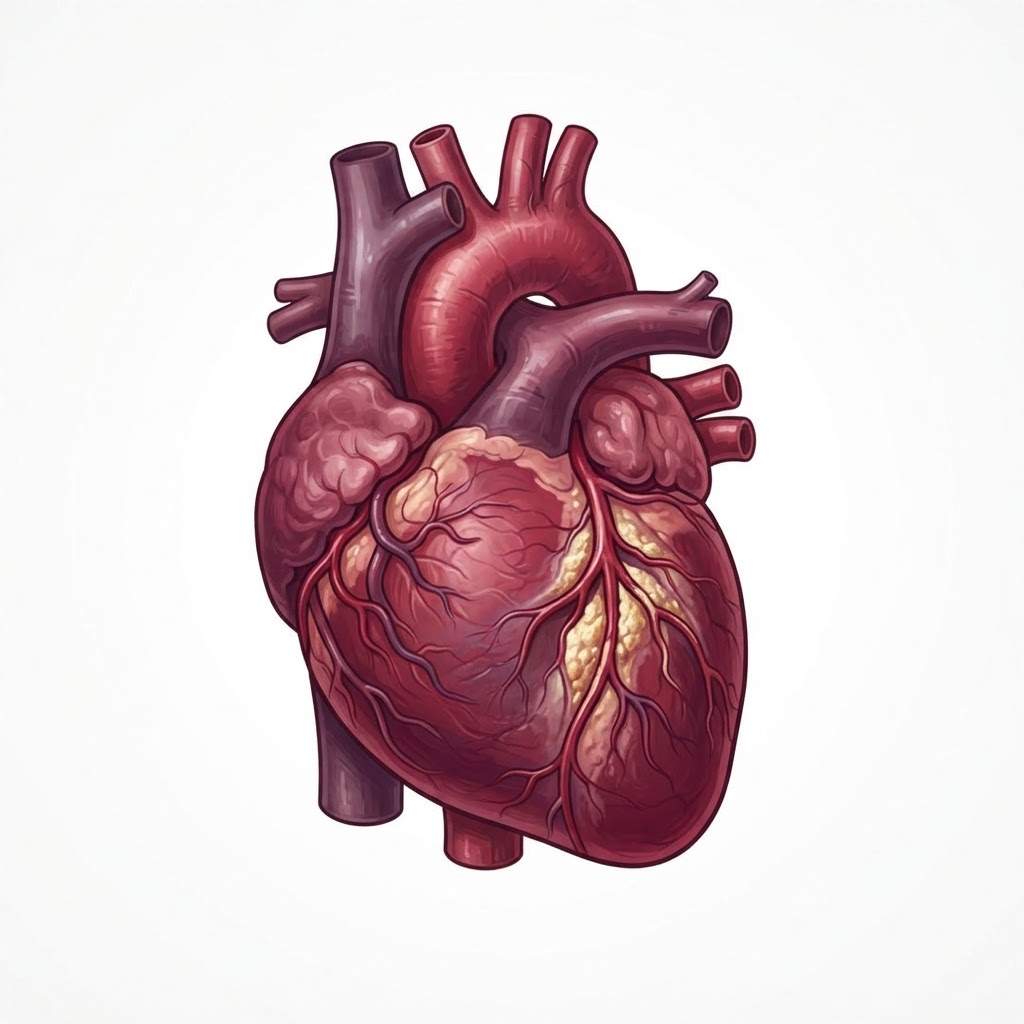
Heart Disease: The World's Leading Cause of Death
"Heart disease" covers a family of conditions that affect how the heart and blood vessels work — from clogged arteries to irregular rhythms and weakened pumping. The good news: much of it is preventable, and today's treatments help millions live full lives.
Alzheimer's Disease: Symptoms, Stages, Causes & Treatment
A comprehensive guide to Alzheimer's disease — from early warning signs and stages to causes, risk factors, diagnosis, and treatment options. Brought to you by iHealth Network.
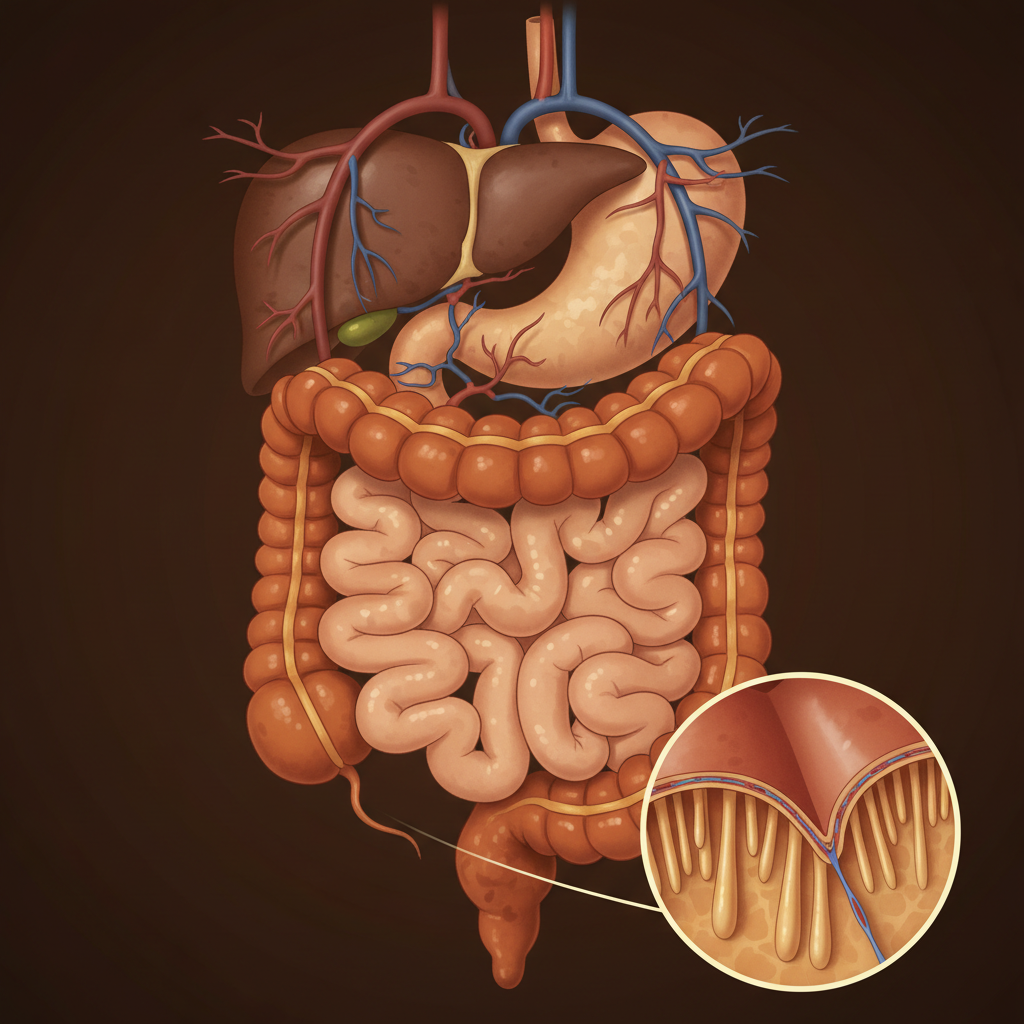
Small Intestine Disorders: A Complete Overview
From Crohn's disease and celiac disease to SIBO, short bowel syndrome, and small bowel cancer — learn about the major disorders affecting the small intestine, their symptoms, and treatments.
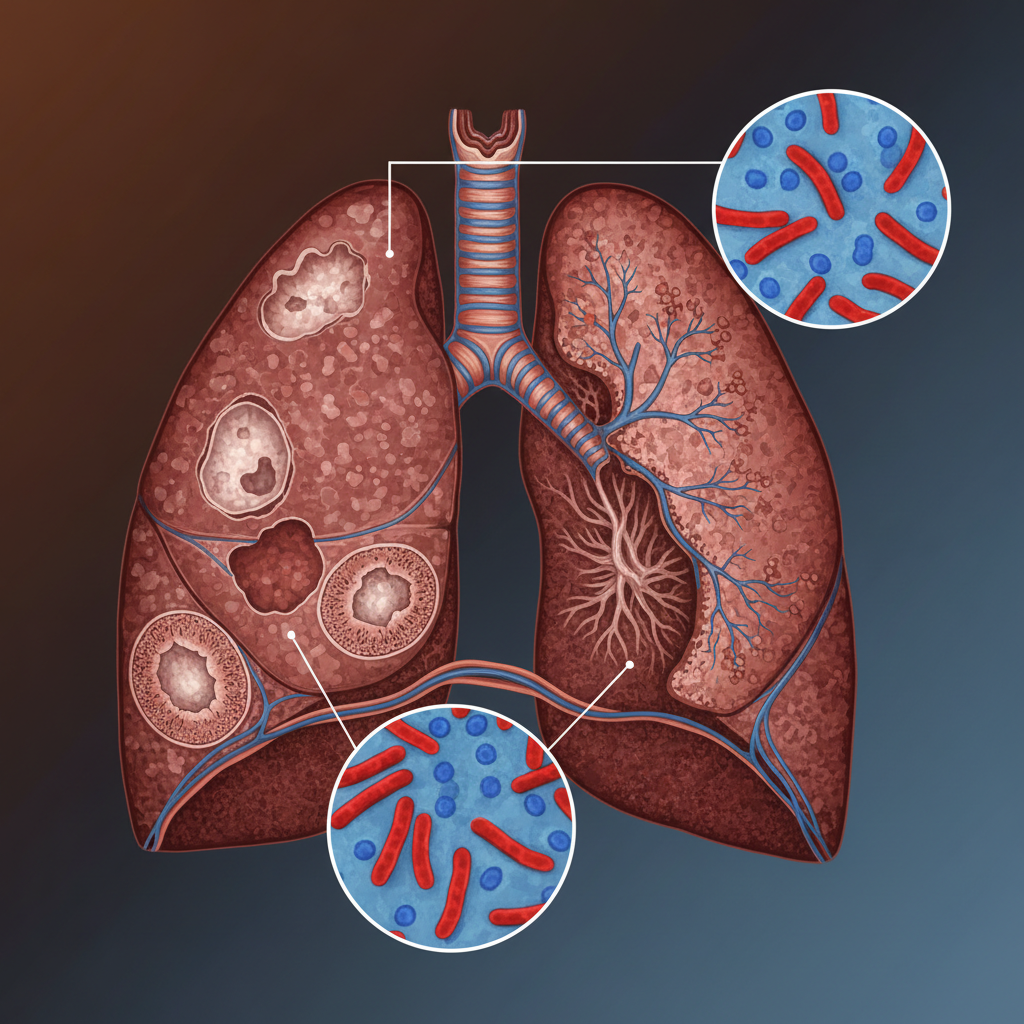
Tuberculosis (TB): A Complete Overview
TB killed 1.23 million people globally in 2024 — and U.S. cases are rising for the fourth consecutive year, reaching 10,347 in 2024. Here’s what everyone should know about active vs. latent TB, drug-resistant TB, diagnosis, and treatment.
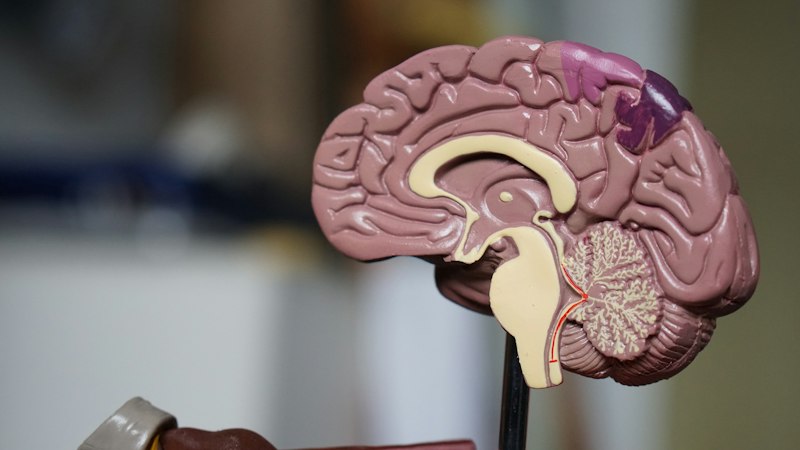
Optic Nerve Disorders: A Complete Overview
The optic nerve is the critical link between your eyes and your brain — and damage to it can mean permanent vision loss. From glaucoma to optic neuritis, ischemic neuropathy, and rare genetic disorders, here's what you need to know.

Pneumonia: A Complete Overview
Pneumonia is one of the leading infectious causes of death in the United States — and one of the most preventable. From bacterial to viral to fungal, here's what everyone should know about this serious lung infection.
Glaucoma: The Silent Thief of Sight — What You Need to Know
More than 4 million Americans have glaucoma — and nearly half don't know it. By the time most people notice symptoms, permanent vision loss has already begun. Here's why early detection is everything.
High Blood Pressure: Understanding America's Most Common Health Threat
Nearly half of all American adults have high blood pressure — and most have no symptoms. It silently damages your heart, brain, kidneys, and arteries for years before anyone notices. Here's what you need to know.
Kidney Disease: Understanding CKD Before It's Too Late
37 million Americans have chronic kidney disease — and 9 in 10 don't know it. By the time symptoms appear, significant damage is already done. Early detection and the right treatment can change everything.

Hypothyroidism: When Your Thyroid Slows Everything Down
An underactive thyroid can make you feel like you're living in slow motion — exhausted, cold, foggy, and gaining weight for no clear reason. It affects millions of Americans who don't know they have it. Here's what you need to know.
Intestinal Cancer: Understanding Colorectal and Small Intestine Cancers
Nearly 159,000 Americans will be diagnosed with colorectal cancer in 2026 alone — and rates in adults under 50 are rising sharply. Early detection can be life-saving. Here's what everyone needs to know.

Infant & Newborn Nutrition: A Parent's Complete Guide
The first year of life is the most nutritionally critical window a human being will ever experience. What — and how — you feed your baby shapes their brain, immune system, and long-term health in ways that last a lifetime.

More Than Tired: Understanding Fatigue and When to See a Doctor
Everyone gets tired. But fatigue is something different — a persistent, heavy exhaustion that rest alone can't fix. Knowing the difference could be one of the most important health decisions you make.
A Clear Vision: Your Essential Guide to Eye Health
Most people don't think about their eyes until something goes wrong. Here's what you can do today — and every day — to protect one of your most vital senses.
Understanding Chronic Kidney Disease
Chronic kidney disease (CKD) affects approximately 37 million Americans — roughly 1 in 7 adults — yet 9 out of 10 people with CKD don't know they have it. It is a slow, largely silent condition that, left unmanaged, can lead to kidney failure, heart disease, and premature death.

The Fight Over Who Pays for Your Healthcare
Republicans and Democrats are proposing fundamentally different visions for how Americans access and pay for health insurance. Here's what's actually on the table — and what it means for you.