
Depression
Depression (major depressive disorder) is one of the most common and debilitating mental health conditions in the United States, characterized by persistent feelings of sadness, hopelessness, loss of interest, fatigue, and difficulty functioning in daily life. The current depression rate stands at 18.3% in 2025, projecting to an estimated 47.8 million Americans — up roughly eight percentage points since 2015, with much of the increase occurring after the onset of the COVID-19 pandemic. CDC data confirms that depression prevalence among adolescents and adults has risen 60% over the past decade, with more than 1 in 10 U.S. adults now taking prescription medication for the condition. Rates are highest among adolescents ages 12–19 and decline with age, and are significantly elevated among those living below the poverty line. Depression is caused by a complex interplay of biological, psychological, and social factors, and is treated through a combination of therapy, medication, and lifestyle interventions — though only about 40% of those living with depression currently receive counseling or therapy, with persistent disparities across gender, age, and socioeconomic lines.
Related Articles
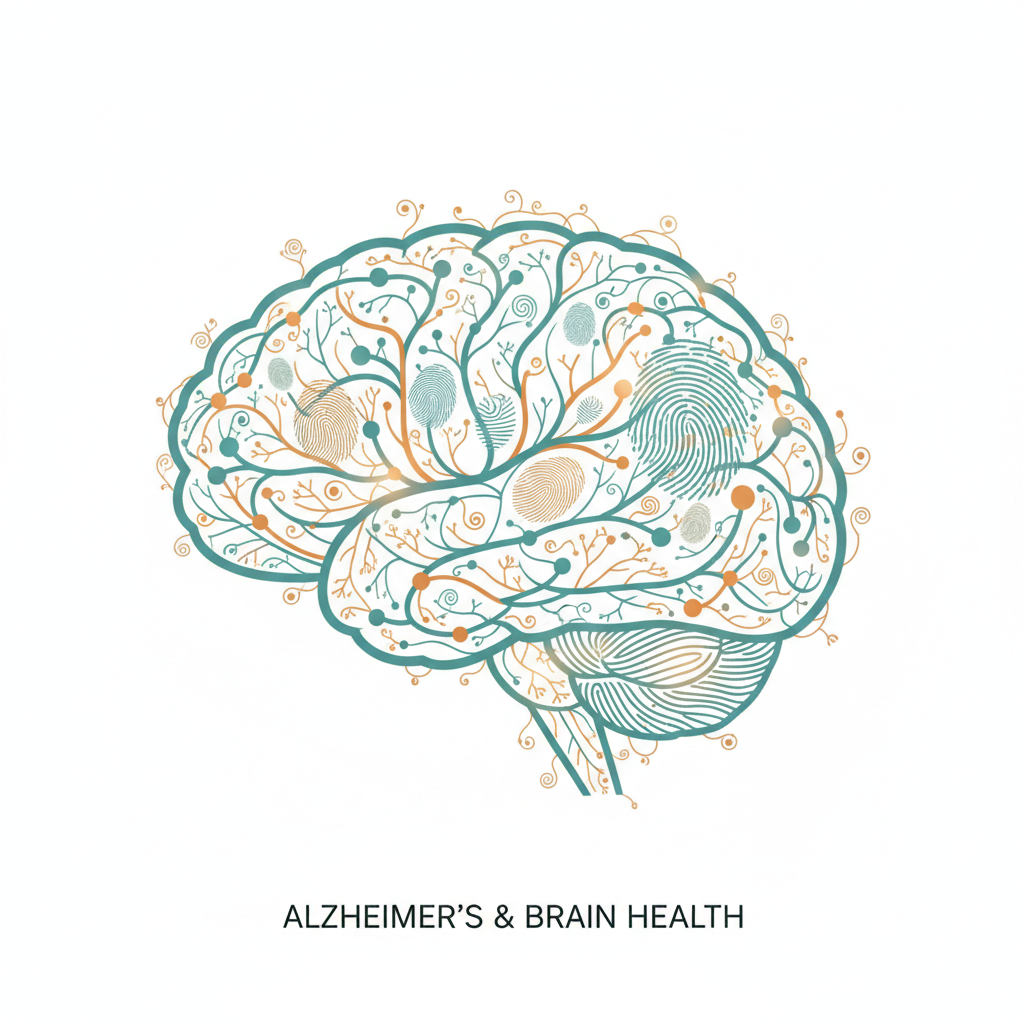
Alzheimer's Disease: Symptoms, Stages, Causes & Treatment
A comprehensive guide to Alzheimer's disease — from early warning signs and stages to causes, risk factors, diagnosis, and treatment options. Brought to you by iHealth Network.
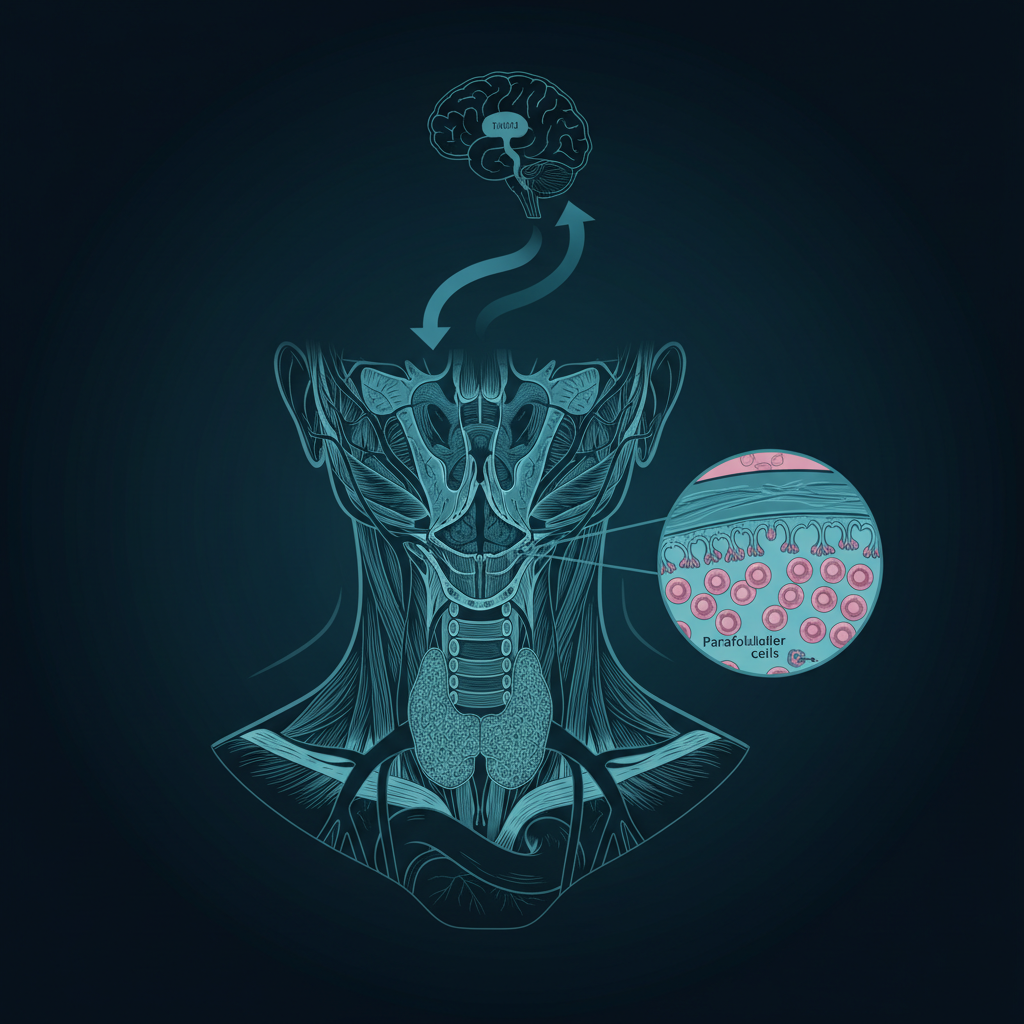
Thyroid Diseases: A Complete Overview
20 million Americans have thyroid disease — and up to 60% don't know it. From the fatigue of hypothyroidism to the anxiety of Graves' disease, thyroid conditions affect nearly every system in the body.
What Is OCD? Understanding Obsessive-Compulsive Disorder
OCD is not a quirk or a personality type — it is a serious, often debilitating condition affecting nearly 10 million Americans. And yet most cases go undiagnosed, untreated, or mistreated for over a decade.

Non-Drug Pain Management: A Complete Guide
With 60 million Americans living with chronic pain and opioid risks well-documented, non-drug approaches have never been more important — or more evidence-backed. Here's what actually works.

Understanding Personality Disorders: A Complete Overview
Nearly 1 in 11 Americans meets the criteria for a personality disorder — yet these conditions are among the most stigmatized and misunderstood in all of mental health. Here's a clear, evidence-based guide to all 10 types, the three clusters, and what treatment actually works.

Postpartum Depression: A Complete Overview
1 in 8 new mothers experience postpartum depression — yet nearly half are never diagnosed. Here's what PPD really is, how it's different from the baby blues, new breakthrough treatments including FDA-approved zuranolone, and how to get help.

Prescription Drug Misuse: A Complete Overview
Nearly 14 million Americans misuse prescription drugs each year — making it the second most common form of drug misuse in the country. Understanding the why, the what, and the how is essential for patients, families, and providers.

Psoriatic Arthritis: A Complete Overview
Psoriatic arthritis affects up to 30% of people with psoriasis and can cause permanent joint damage if untreated. With more targeted biologics than ever before, early diagnosis and treatment have never been more important.

Schizophrenia: A Complete Overview
One of the most misunderstood and stigmatized conditions in medicine — schizophrenia affects how a person thinks, feels, and perceives reality. With early treatment and sustained support, recovery is possible for most people.
Hyperthyroidism: When Your Thyroid Goes Into Overdrive
Your thyroid is a small gland with an enormous influence on how your entire body functions. When it produces too much hormone, everything speeds up — and the effects can ripple through your heart, bones, muscles, mood, and more.
Hypothyroidism: When Your Thyroid Slows Everything Down
An underactive thyroid can make you feel like you're living in slow motion — exhausted, cold, foggy, and gaining weight for no clear reason. It affects millions of Americans who don't know they have it. Here's what you need to know.

More Than Tired: Understanding Fatigue and When to See a Doctor
Everyone gets tired. But fatigue is something different — a persistent, heavy exhaustion that rest alone can't fix. Knowing the difference could be one of the most important health decisions you make.

Understanding Depression: Symptoms, Causes & Treatment
Depression is one of the most common medical conditions in the world — and one of the most treatable. Here's what you need to know about symptoms, causes, and the full range of treatment options available.
Addiction & Substance Use Disorder: A Clinical Overview
Substance use disorder is a chronic, relapsing brain condition — not a moral failing. Understanding its biology, risk factors, and evidence-based treatments is the first step toward effective care.

Eczema: Understanding the Itch, the Flare, and the Path to Relief
Eczema affects over 31 million Americans — yet it remains widely misunderstood. Here's a complete guide to its causes, triggers, types, and the most effective treatments available today.

Emphysema: When Breathing Becomes a Burden
Emphysema is a progressive lung disease that silently destroys the air sacs that power every breath. Understanding it early — before symptoms become severe — is the key to slowing its course.
Understanding Crohn's Disease
Crohn's disease is a chronic inflammatory bowel disease that can affect any part of the gastrointestinal tract — from mouth to rectum. It is unpredictable, deeply personal, and often invisible to others. But with the right care, most people with Crohn's can achieve lasting remission and lead full, active lives.
Understanding COPD
Chronic obstructive pulmonary disease — COPD — is a progressive condition in which the lungs become increasingly damaged, making it harder and harder to breathe. It is the fourth leading cause of death in the US, affects more than 16 million Americans, and is significantly undertreated because many people believe their breathlessness is simply a normal part of aging.

Understanding Chronic Bronchitis
Chronic bronchitis is more than a stubborn cough. It is a form of chronic obstructive pulmonary disease (COPD) — a long-term inflammatory condition of the airways that affects millions of Americans and is the fourth leading cause of death in the United States.
Understanding Autism: A Respectful, Science-Based Guide for Everyone
Autism is not a disease to be cured, a tragedy, or the result of bad parenting. It is a neurological difference — a distinct way of experiencing and interacting with the world — that affects roughly 1 in 36 children in the United States today. This guide covers what autism spectrum disorder actually is, how it's diagnosed, what support looks like across the lifespan, and how families, educators, and healthcare providers can do better.
What Is Multiple Sclerosis? A Complete Overview
MS is the most common progressive neurological disease of young adults — affecting nearly 1 million Americans. Learn how it works, who it affects, its four types, symptoms, and the latest treatment options.

What Every Woman Should Know About Maternal Health in America
A closer look at where we stand — and what you can do to protect yourself and your baby. The U.S. maternal mortality rate remains higher than comparable nations, with significant racial disparities and growing maternity care deserts.
What Is Ménière's Disease? A Complete Overview
A chronic inner ear disorder that strikes without warning — causing spinning vertigo, hearing loss, and relentless ringing. 615,000 Americans live with Ménière's disease, with 45,500 new cases diagnosed each year.

Understanding Mental Disorders: A Complete Overview
More than 60 million Americans live with a mental disorder. Understanding what they are, how they're diagnosed, and how they're treated is the first step toward getting help. 1 in 5 U.S. adults is affected annually.

Understanding Movement Disorders: A Complete Overview
From the tremor of Parkinson's disease to the uncontrolled movements of Huntington's — movement disorders affect millions of Americans and rank among the most common neurological conditions. 28% of adults 50–89 have at least one movement disorder.
Mental Health Crisis Among Young Adults Reaches New Peak
CDC reports a 40% increase in anxiety and depression diagnoses among 18-25 year olds over the past five years.
Exercise Shown to Be As Effective As Medication for Mild Depression
A meta-analysis of 200 studies concludes that regular exercise provides comparable benefits to antidepressants for mild to moderate depression.