
Fatigue
Fatigue is one of the most common and pervasive symptoms in medicine — affecting an estimated 45 million Americans and accounting for millions of primary care visits each year — yet it remains one of the most complex and frequently underaddressed complaints in clinical practice. Unlike ordinary tiredness that resolves with rest, pathological fatigue is a persistent, often debilitating exhaustion that can affect physical energy, cognitive function, emotional resilience, and the ability to carry out even basic daily activities. Fatigue is rarely a condition in its own right — it is most commonly a symptom or consequence of an underlying condition, and its causes span virtually every medical specialty: anemia, thyroid dysfunction, diabetes, heart disease, sleep disorders like obstructive sleep apnea, autoimmune conditions, cancer and its treatments, depression, anxiety, chronic infections, and neurological disorders are all common culprits. Two conditions in which fatigue takes center stage as the defining feature are myalgic encephalomyelitis/chronic fatigue syndrome (ME/CFS) — a serious, often disabling condition affecting up to 3.3 million Americans — and long COVID-associated fatigue, which has emerged as one of the most widespread and challenging post-infectious syndromes of the modern era. Accurate diagnosis requires a thorough evaluation to identify and address the root cause, and treatment is equally individualized — ranging from managing the underlying condition and optimizing sleep to pacing strategies, nutritional support, physical rehabilitation, and mental health care.
Related Articles
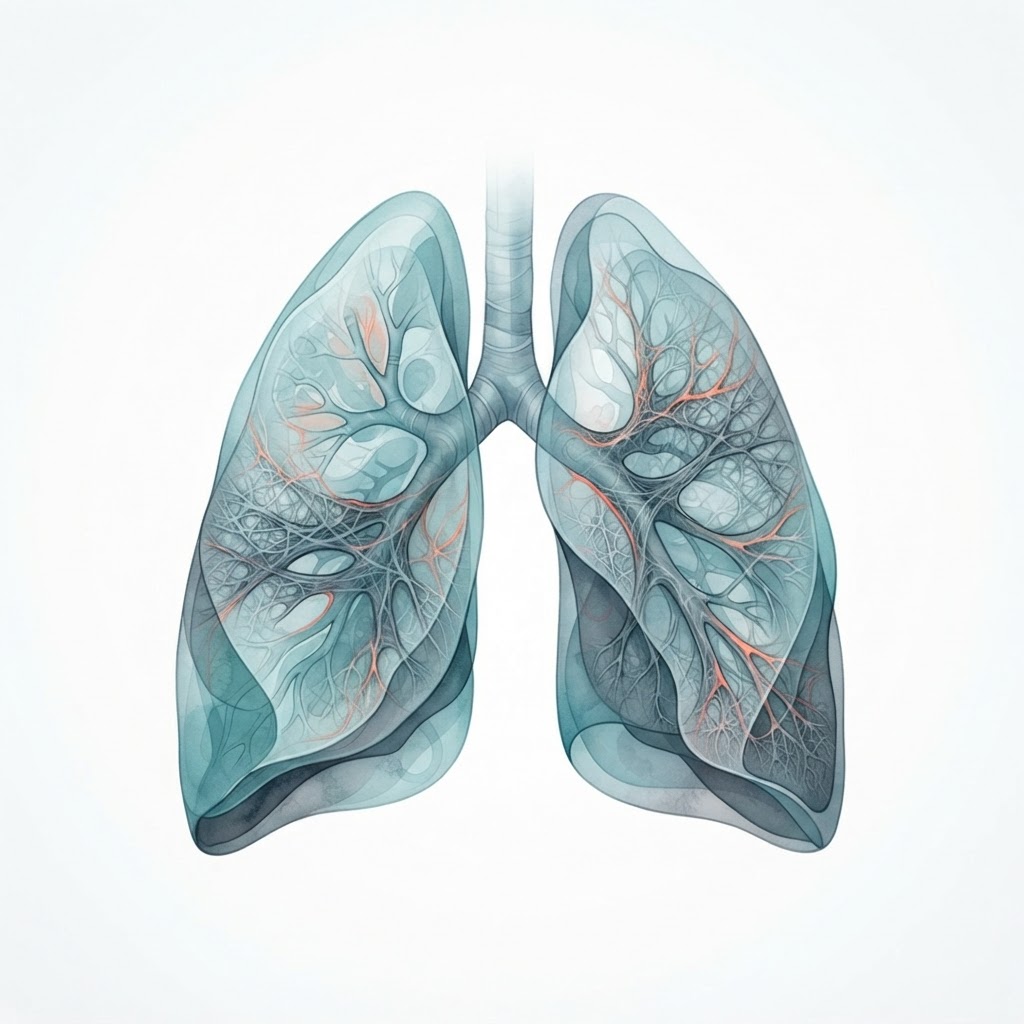
Fibrosis: When Healing Turns to Scarring
Fibrosis is the buildup of thick, stiff scar tissue in an organ. A small amount is a normal part of healing — but when it spreads unchecked, it can stiffen the lungs, liver, heart, or kidneys and quietly steal their ability to work.
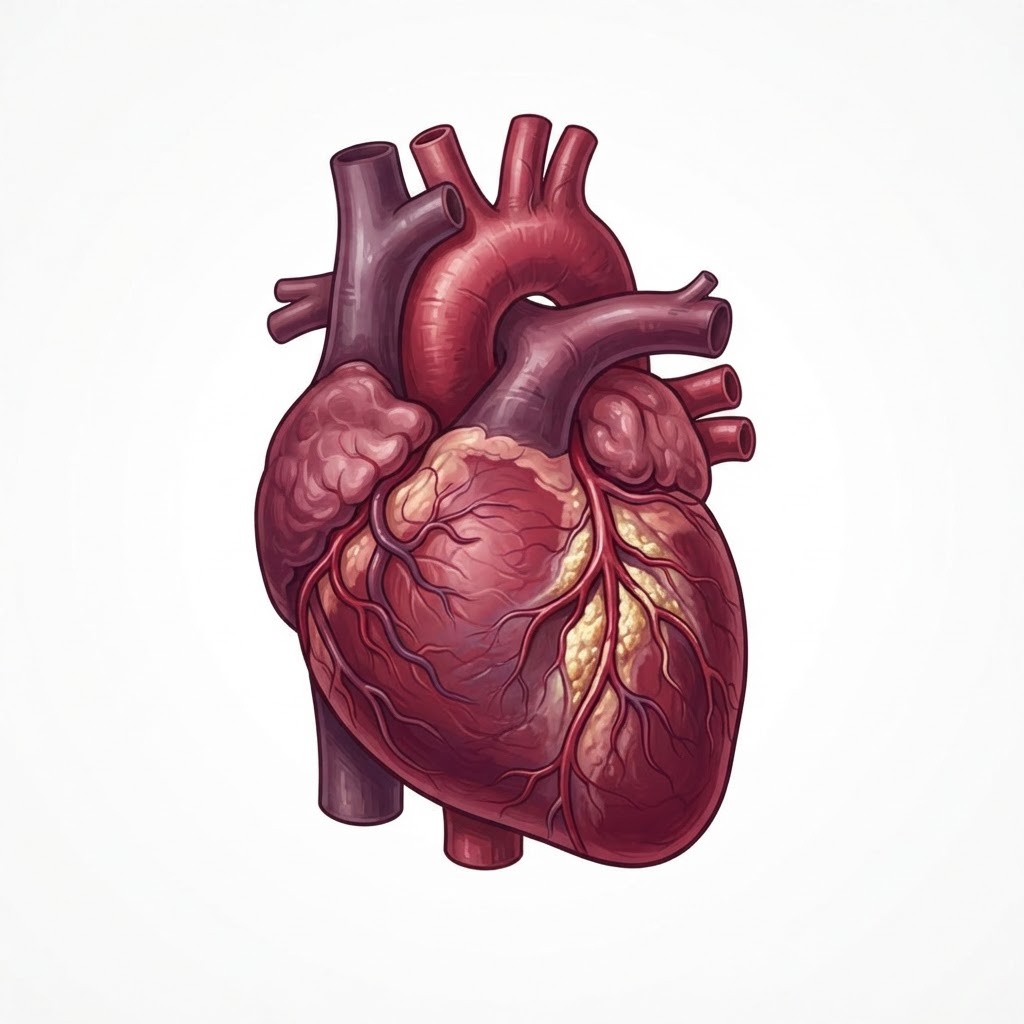
Heart Disease: The World's Leading Cause of Death
"Heart disease" covers a family of conditions that affect how the heart and blood vessels work — from clogged arteries to irregular rhythms and weakened pumping. The good news: much of it is preventable, and today's treatments help millions live full lives.
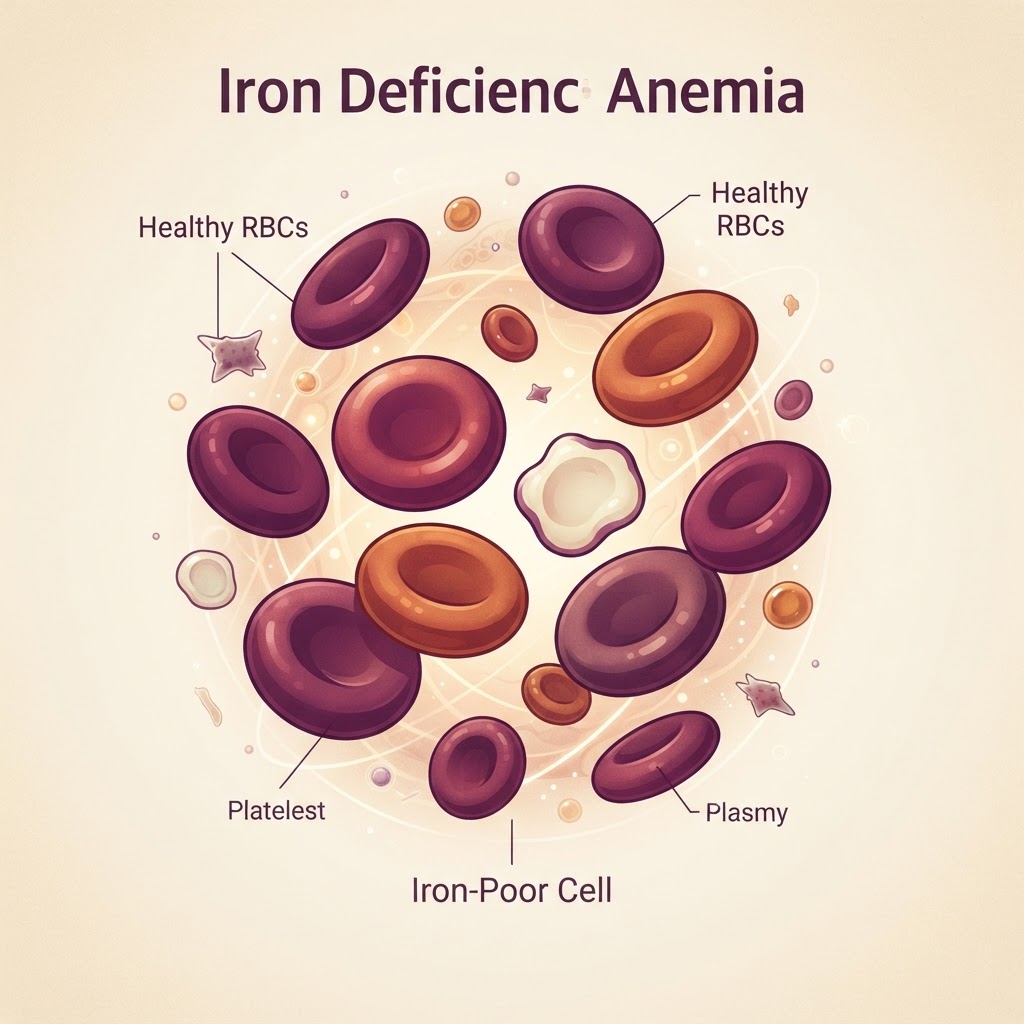
Iron Deficiency Anemia: When Your Blood Runs Low on Fuel
Iron deficiency anemia happens when your body doesn't have enough iron to make healthy red blood cells — the cells that carry oxygen everywhere it's needed. It's the most common nutritional deficiency in the world, and in most cases it's very treatable.

Lupus: When the Immune System Turns Inward
Lupus is a chronic autoimmune disease in which the body's defense system mistakenly attacks its own healthy tissue — causing inflammation that can touch the skin, joints, and organs. It's unpredictable, but with modern care most people manage it well.
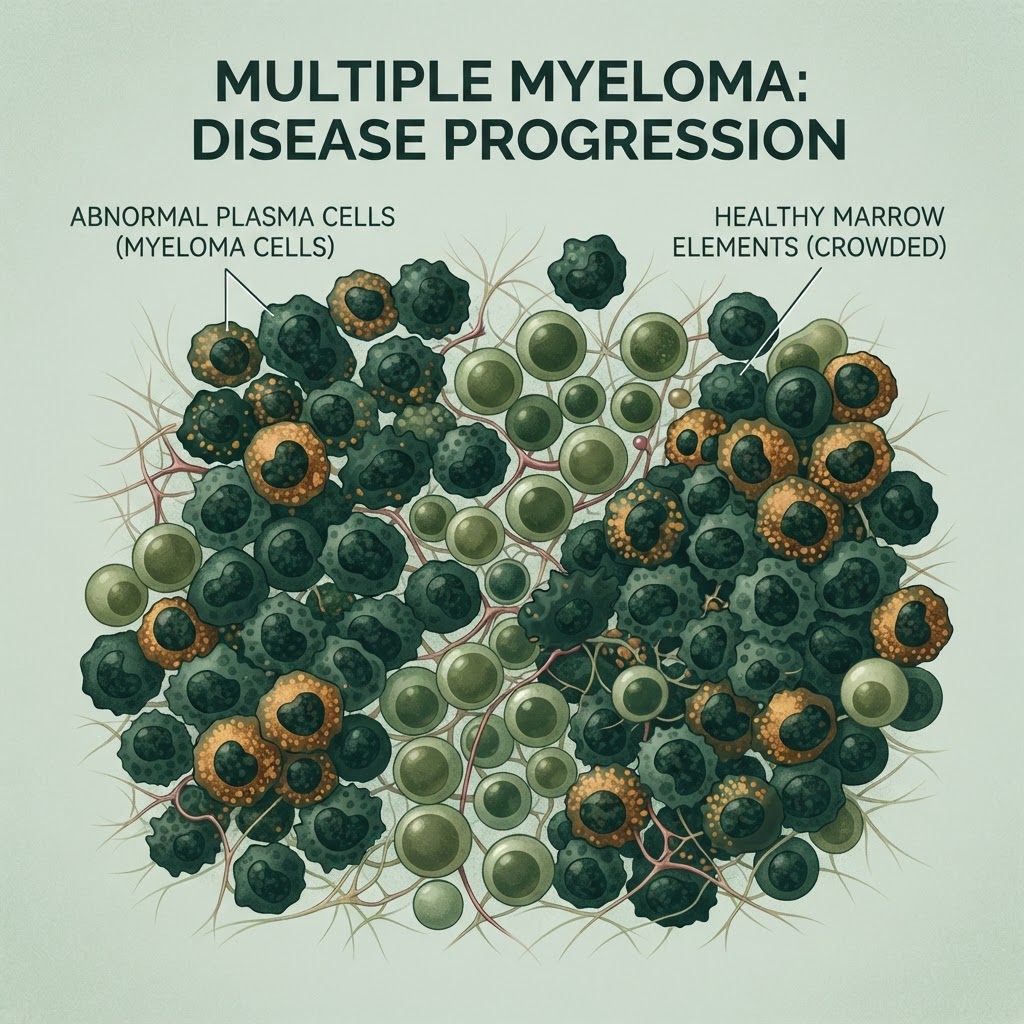
Multiple Myeloma: A Cancer of the Blood's Antibody Factory
Multiple myeloma is a cancer of plasma cells — the immune cells in your bone marrow that make antibodies. When these cells grow out of control, they crowd out healthy blood cells and weaken bones. It's rarely curable, but today it's more treatable than ever.
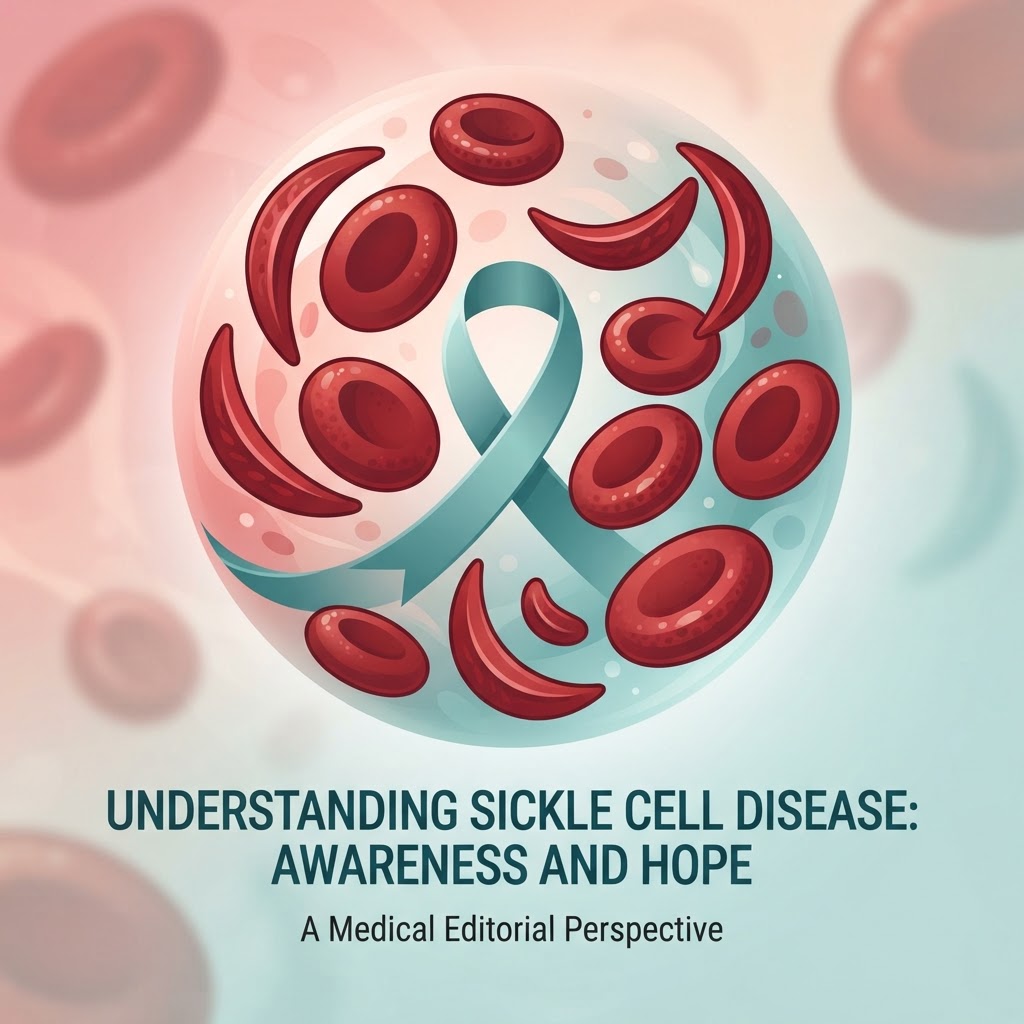
Sickle Cell Disease: An Inherited Change in the Blood
Sickle cell disease is a genetic blood disorder that reshapes red blood cells into stiff crescents that block blood flow and break down too soon. It's a lifelong condition — but care has advanced dramatically, and the first curative therapies are now a reality.
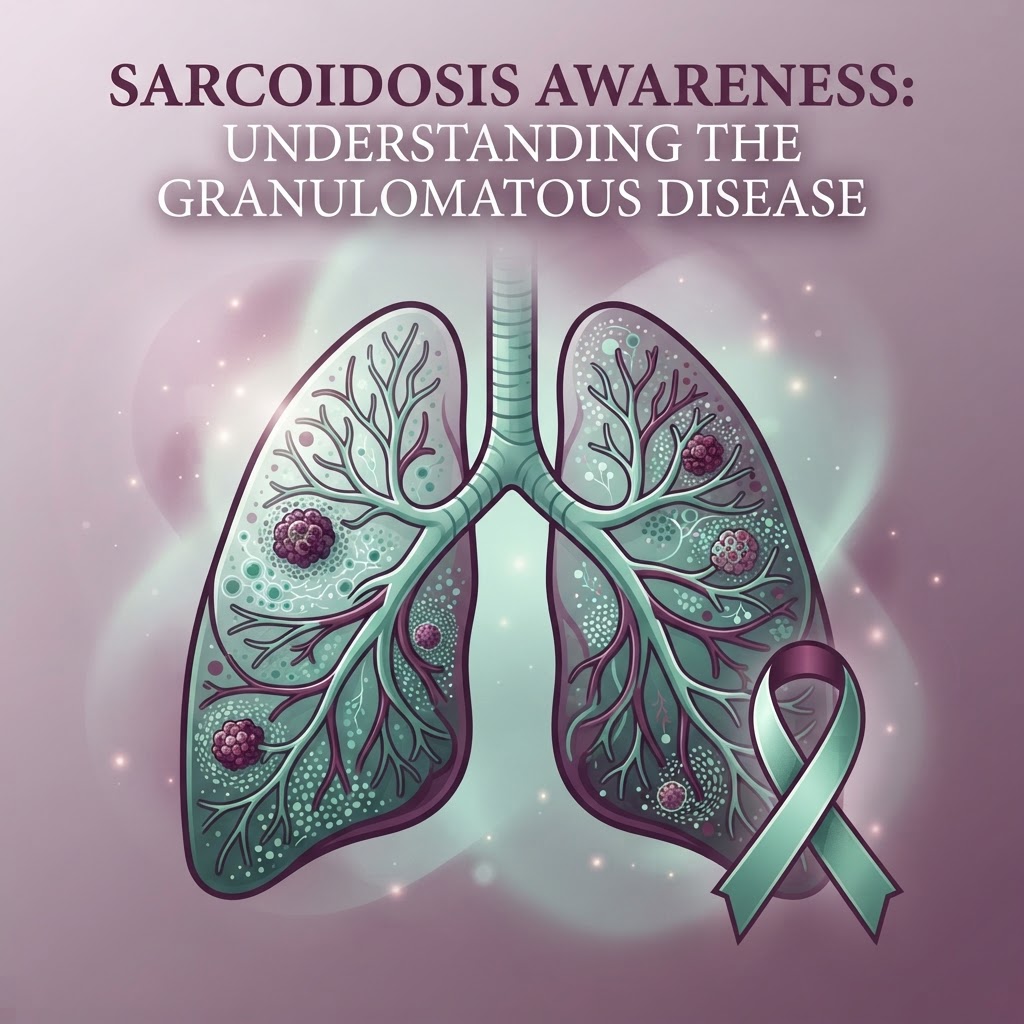
Sarcoidosis: When Inflammation Builds Tiny Clumps in the Body
Sarcoidosis is a disease in which the immune system forms small clusters of inflammatory cells — called granulomas — in one or more organs, most often the lungs. Its course is unpredictable: it can quietly fade on its own or become a long-term condition.

Seasonal Allergies: A Complete Overview
Over 82 million Americans have seasonal allergies — and thanks to climate change, pollen seasons are now 3 weeks longer and 20% more potent than they were a generation ago. Here's what actually works.
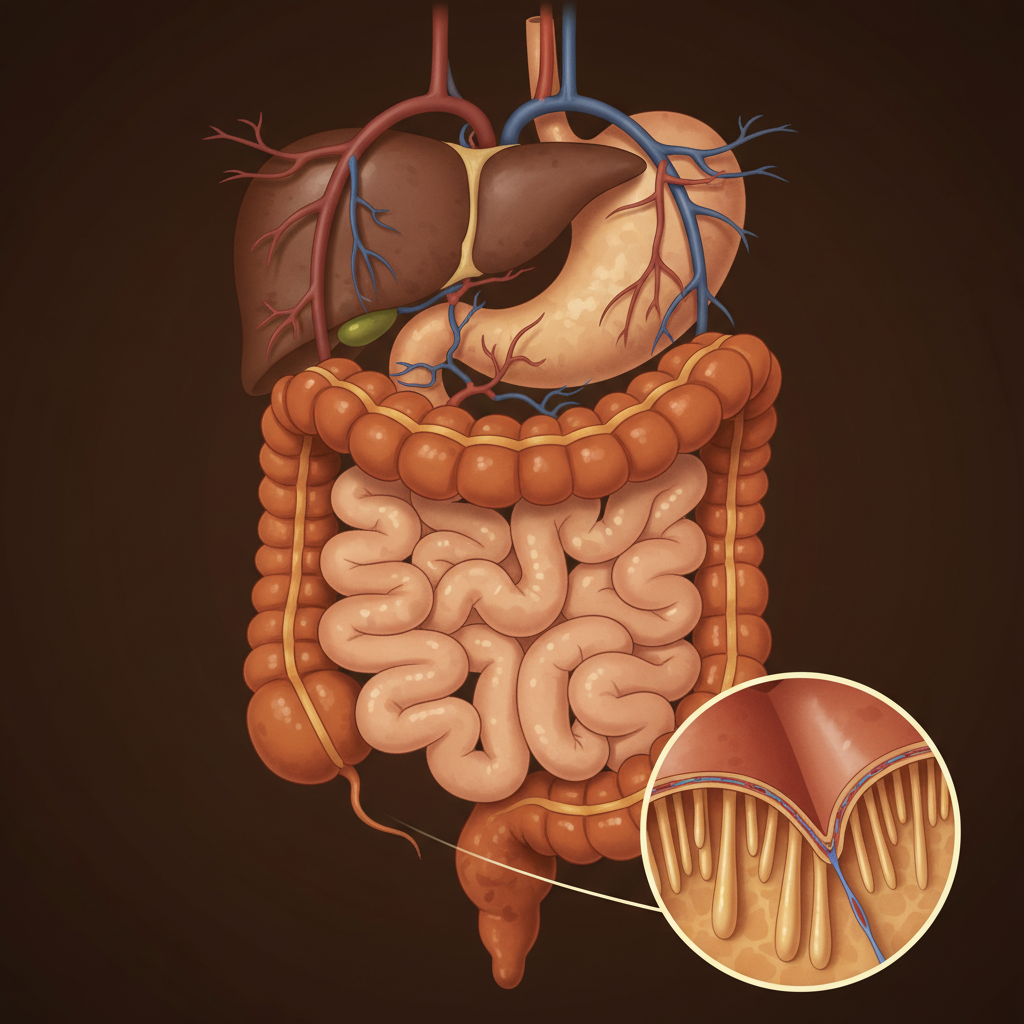
Small Intestine Disorders: A Complete Overview
From Crohn's disease and celiac disease to SIBO, short bowel syndrome, and small bowel cancer — learn about the major disorders affecting the small intestine, their symptoms, and treatments.
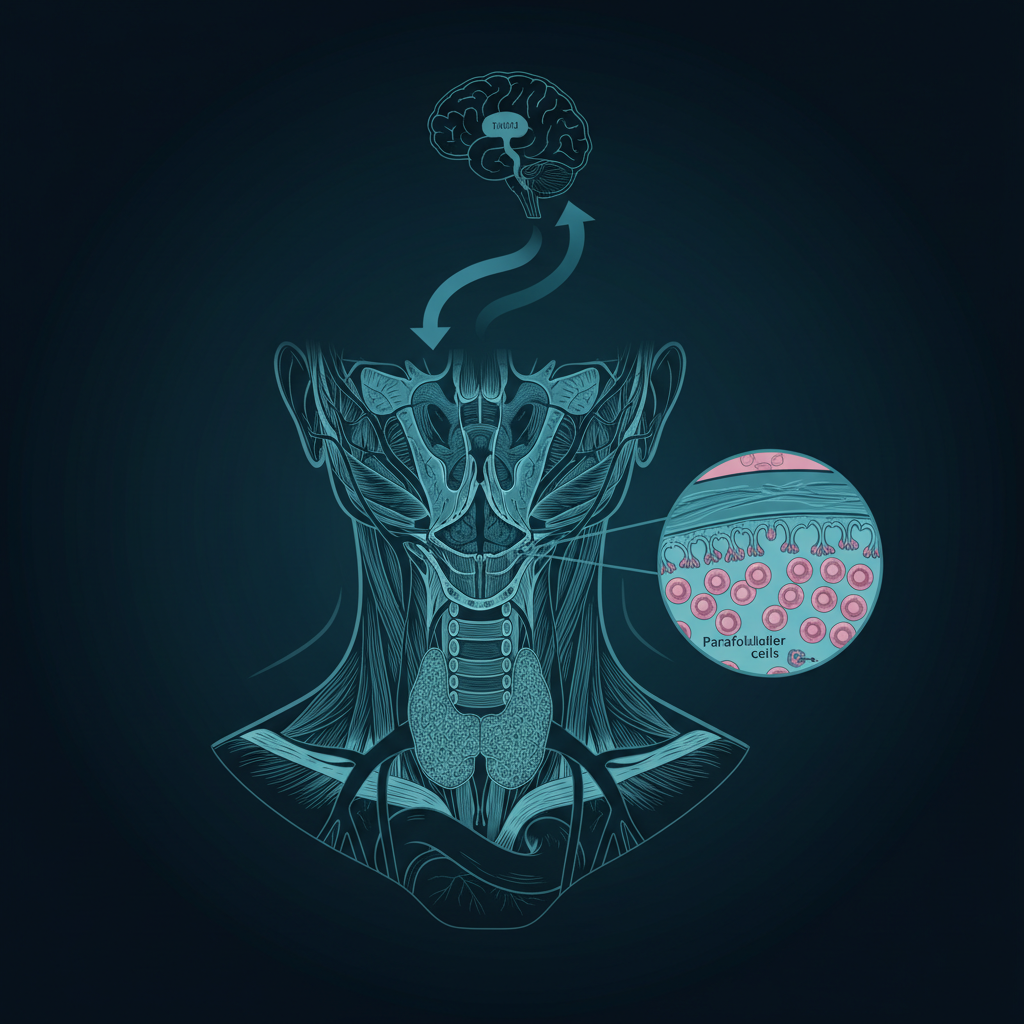
Thyroid Diseases: A Complete Overview
20 million Americans have thyroid disease — and up to 60% don't know it. From the fatigue of hypothyroidism to the anxiety of Graves' disease, thyroid conditions affect nearly every system in the body.
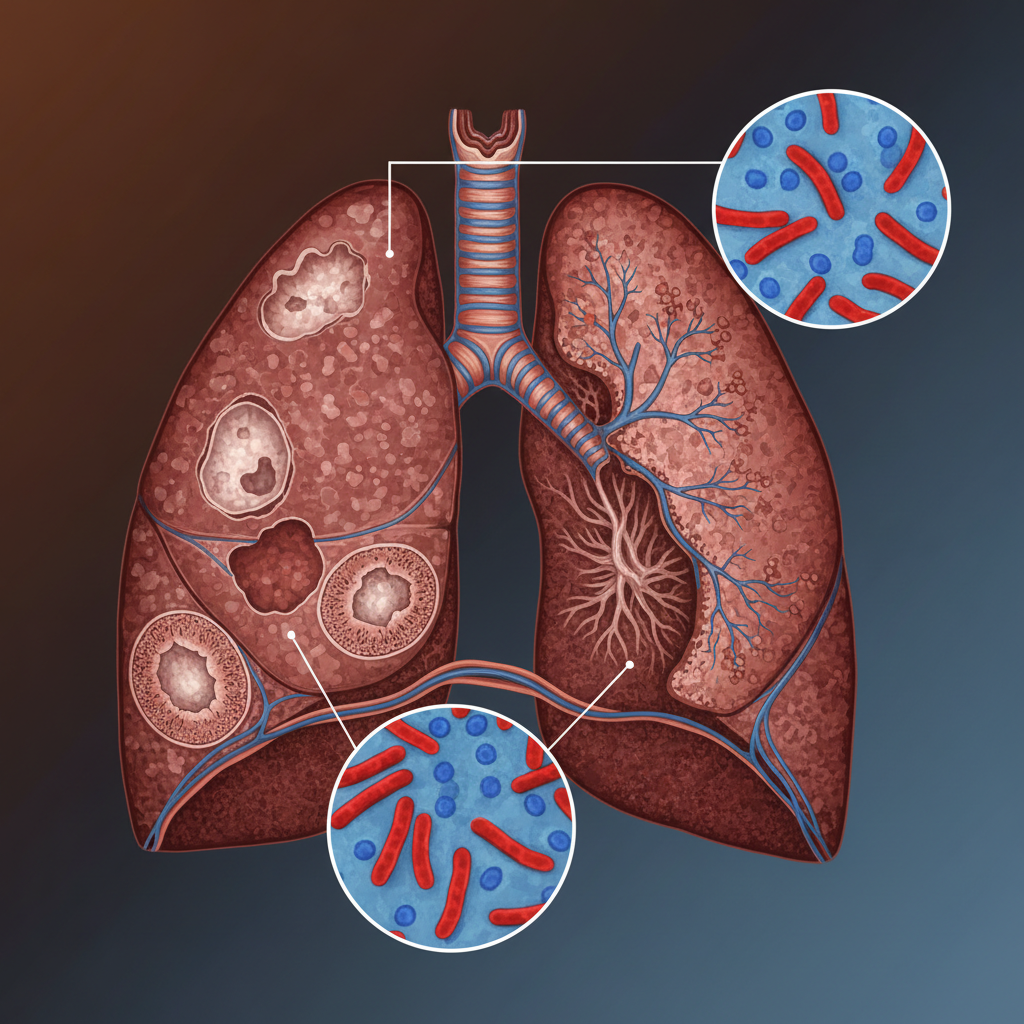
Tuberculosis (TB): A Complete Overview
TB killed 1.23 million people globally in 2024 — and U.S. cases are rising for the fourth consecutive year, reaching 10,347 in 2024. Here’s what everyone should know about active vs. latent TB, drug-resistant TB, diagnosis, and treatment.
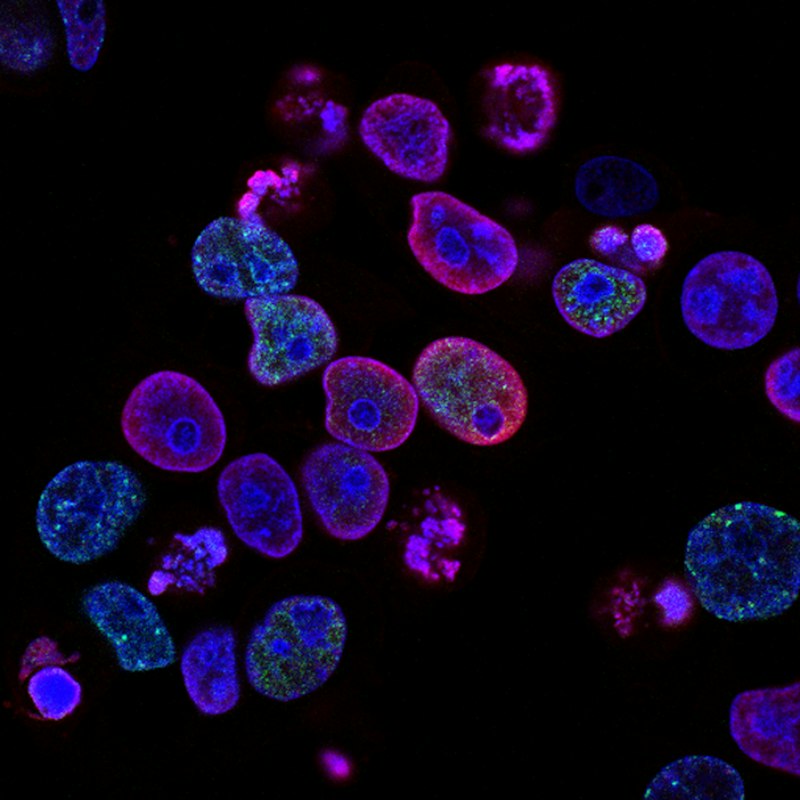
Mycobacterial Infections: A Complete Overview
The Mycobacterium family includes some of history's most notorious pathogens — and some of its most overlooked. From tuberculosis to leprosy to emerging nontuberculous infections, here's what you need to know.
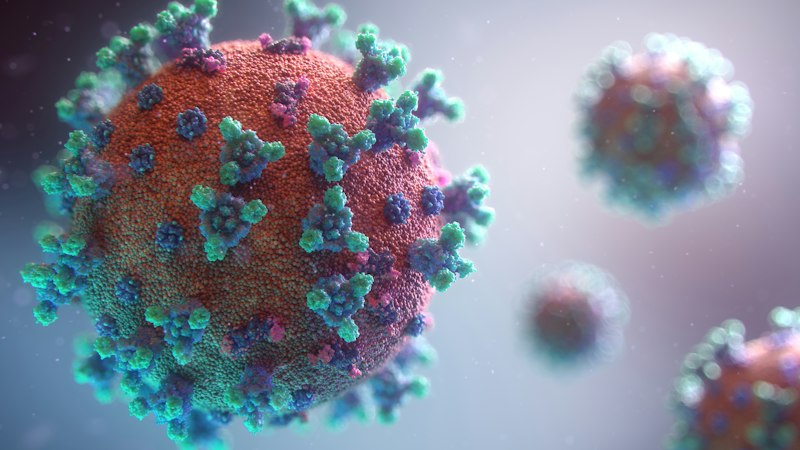
Pneumocystis Infections (PCP / PJP): A Complete Overview
Pneumocystis jirovecii pneumonia (PCP/PJP) is a life-threatening opportunistic infection that nearly vanished in HIV patients with modern antiretroviral therapy — but is now rising in a new population of immunocompromised patients, with mortality rates up to 50%.

Pneumonia: A Complete Overview
Pneumonia is one of the leading infectious causes of death in the United States — and one of the most preventable. From bacterial to viral to fungal, here's what everyone should know about this serious lung infection.

Postpartum Depression: A Complete Overview
1 in 8 new mothers experience postpartum depression — yet nearly half are never diagnosed. Here's what PPD really is, how it's different from the baby blues, new breakthrough treatments including FDA-approved zuranolone, and how to get help.

Prescription Drug Misuse: A Complete Overview
Nearly 14 million Americans misuse prescription drugs each year — making it the second most common form of drug misuse in the country. Understanding the why, the what, and the how is essential for patients, families, and providers.

Psoriatic Arthritis: A Complete Overview
Psoriatic arthritis affects up to 30% of people with psoriasis and can cause permanent joint damage if untreated. With more targeted biologics than ever before, early diagnosis and treatment have never been more important.

Pulmonary Hypertension: A Complete Overview
Elevated pressure in the lung arteries strains the right heart — and left untreated, leads to right heart failure and death. A new era of targeted treatment is transforming outcomes for one of cardiology's most complex conditions.

Understanding Hepatitis: A Complete Guide to Types A, B, C, D, and E
Hepatitis is not one disease — it's five. Each type is caused by a different virus, transmitted differently, and treated differently. Here's what every American should know.

Kidney Disease: Understanding CKD Before It's Too Late
37 million Americans have chronic kidney disease — and 9 in 10 don't know it. By the time symptoms appear, significant damage is already done. Early detection and the right treatment can change everything.

Understanding HIV: What It Is, How It Spreads, and How It's Treated
HIV is no longer the death sentence it once was. With modern treatment, people with HIV live long, healthy lives. But only if they know they have it — and get care.
Hyperthyroidism: When Your Thyroid Goes Into Overdrive
Your thyroid is a small gland with an enormous influence on how your entire body functions. When it produces too much hormone, everything speeds up — and the effects can ripple through your heart, bones, muscles, mood, and more.
Hypothyroidism: When Your Thyroid Slows Everything Down
An underactive thyroid can make you feel like you're living in slow motion — exhausted, cold, foggy, and gaining weight for no clear reason. It affects millions of Americans who don't know they have it. Here's what you need to know.
Intestinal Cancer: Understanding Colorectal and Small Intestine Cancers
Nearly 159,000 Americans will be diagnosed with colorectal cancer in 2026 alone — and rates in adults under 50 are rising sharply. Early detection can be life-saving. Here's what everyone needs to know.

More Than Tired: Understanding Fatigue and When to See a Doctor
Everyone gets tired. But fatigue is something different — a persistent, heavy exhaustion that rest alone can't fix. Knowing the difference could be one of the most important health decisions you make.

Dandruff, Cradle Cap & Common Scalp Conditions — What You Should Know
Flaking, itching, and scaling on your scalp are incredibly common — and rarely serious. Here's how to recognize what you're seeing, and what actually helps.

Understanding Depression: Symptoms, Causes & Treatment
Depression is one of the most common medical conditions in the world — and one of the most treatable. Here's what you need to know about symptoms, causes, and the full range of treatment options available.

Emphysema: When Breathing Becomes a Burden
Emphysema is a progressive lung disease that silently destroys the air sacs that power every breath. Understanding it early — before symptoms become severe — is the key to slowing its course.
Understanding Crohn's Disease
Crohn's disease is a chronic inflammatory bowel disease that can affect any part of the gastrointestinal tract — from mouth to rectum. It is unpredictable, deeply personal, and often invisible to others. But with the right care, most people with Crohn's can achieve lasting remission and lead full, active lives.
Understanding COPD
Chronic obstructive pulmonary disease — COPD — is a progressive condition in which the lungs become increasingly damaged, making it harder and harder to breathe. It is the fourth leading cause of death in the US, affects more than 16 million Americans, and is significantly undertreated because many people believe their breathlessness is simply a normal part of aging.
Understanding Chronic Kidney Disease
Chronic kidney disease (CKD) affects approximately 37 million Americans — roughly 1 in 7 adults — yet 9 out of 10 people with CKD don't know they have it. It is a slow, largely silent condition that, left unmanaged, can lead to kidney failure, heart disease, and premature death.

Understanding Chronic Bronchitis
Chronic bronchitis is more than a stubborn cough. It is a form of chronic obstructive pulmonary disease (COPD) — a long-term inflammatory condition of the airways that affects millions of Americans and is the fourth leading cause of death in the United States.

Understanding Cancer
Cancer is not a single disease. It is a family of more than 100 conditions, each with its own biology, behavior, and treatment approach. What they share is this: cells that grow out of control.
Hantavirus: What You Need to Know
As of May 11, 2026, one American among 18 US citizens repatriated from the cruise ship MV Hondius has tested positive for the Andes virus — a rare and potentially deadly strain of hantavirus. The patients landed at Offutt Air Force Base in Omaha, Nebraska and are being assessed at the University of Nebraska Medical Center, the only federally funded national quarantine unit in the country.
What Is Multiple Sclerosis? A Complete Overview
MS is the most common progressive neurological disease of young adults — affecting nearly 1 million Americans. Learn how it works, who it affects, its four types, symptoms, and the latest treatment options.
What Is Ménière's Disease? A Complete Overview
A chronic inner ear disorder that strikes without warning — causing spinning vertigo, hearing loss, and relentless ringing. 615,000 Americans live with Ménière's disease, with 45,500 new cases diagnosed each year.